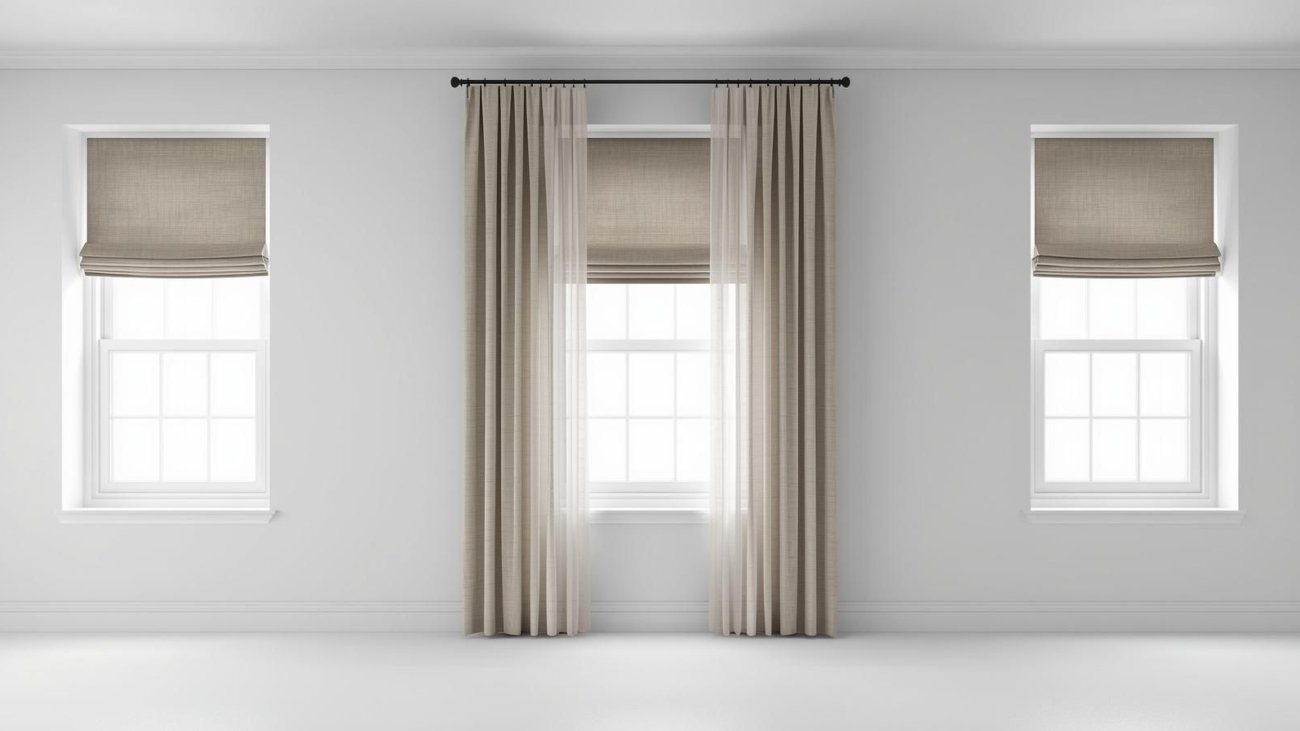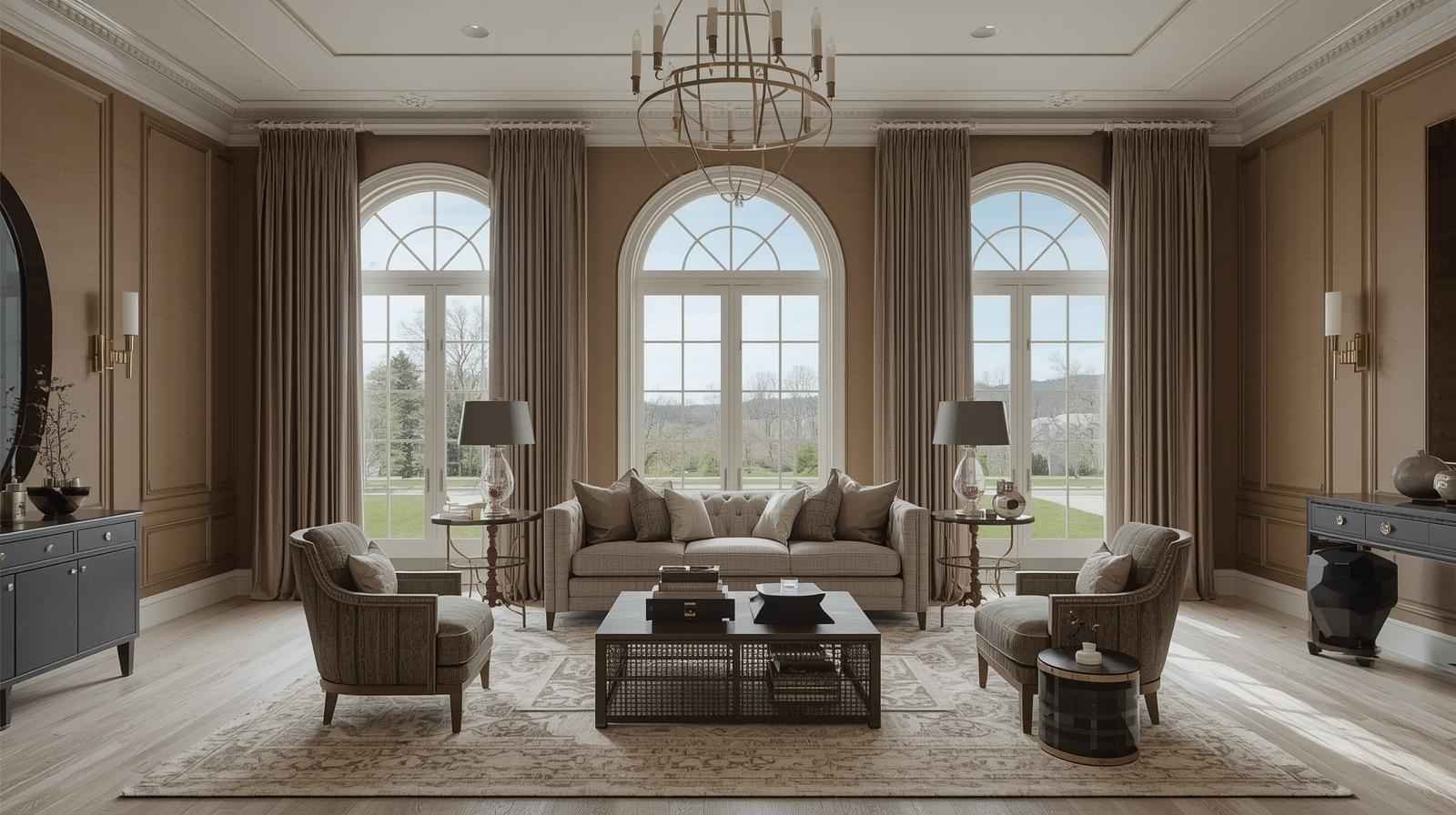
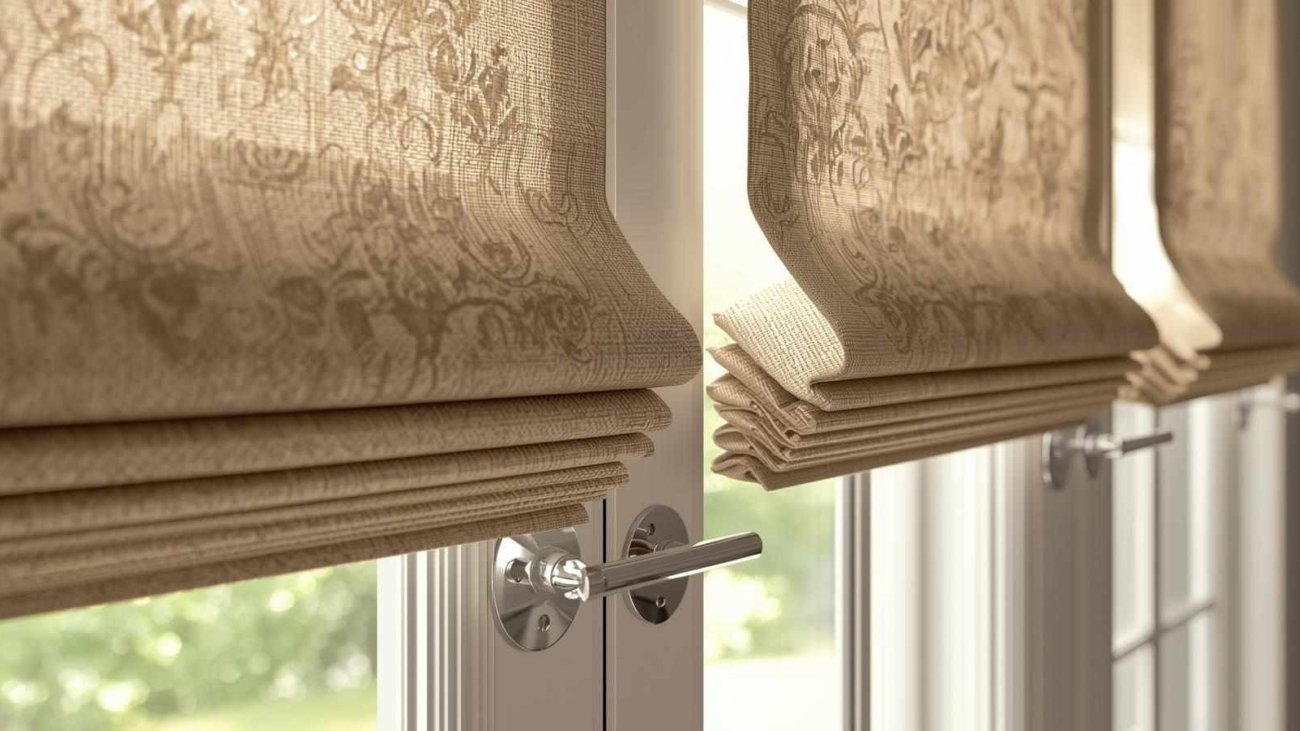
French Door Window Treatments

French Door Window Treatments: Best Options for Privacy and Style

French doors are gorgeous until you realize everyone walking by can see straight into your house. Whether your doors open to a patio, connect rooms, or lead to a backyard, finding the right covering that doesn’t kill their elegance is tricky. You need privacy without blocking light, style without making the doors feel heavy, and something that actually works when you’re opening and closing them twenty times a day. The good news? There are solutions that check all these boxes, and they’re way easier to deal with than you’d think.

Westchester’s Trusted Window Experts

Ready to Elevate
Your Living Space?

Custom blinds, shades, shutters & draperies — designed around your home

and your style.

The challenge with French doors is that traditional curtains can be a pain. They get caught in the doors, block your path, and rarely give you the control you want. But the right treatments, think cellular shades mounted inside the glass, magnetic panels, or sleek vertical solutions, solve these problems while keeping your doors looking sharp. Let’s break down what actually works.

Top Treatment Options That Don’t Get in Your Way

The best coverings for French doors are ones you barely notice until you need them. Cellular shades that mount directly on the door glass are brilliant because they move with the door. No wrestling with fabric when you want to go outside. They come in light-filtering or blackout options, give you tons of privacy, and fold up tight when you want the view. Another solid choice is magnetic blinds or shades designed specifically for steel or metal doors. They attach without drilling and stay put when doors swing open. For a softer look, consider panel track systems that slide on a rail above the doors. You can stack the panels to one side when you want full access, then slide them closed for privacy. They work especially well for wider door openings or sliders. If you like the idea of curtains but hate the bulk, try sidelight panels on tension rods that mount inside each door frame. They stay contained, look neat, and give you the fabric softness without the hassle.

Struggling to pick the right solution? A window treatment consultant can assess your specific doors and recommend the best window treatments that balance your privacy needs with how you actually use the space.

Westchester’s Trusted Window Experts

Ready to Elevate
Your Living Space?

Custom blinds, shades, shutters & draperies — designed around your home

and your style.

Privacy Solutions for Different Door Styles

Inswing vs. Outswing Doors

If your doors swing into your house, you’ve got more mounting options because the interior side has more clearance. Inside-mount shades work great here. They’re clean, contained, and out of the way. For doors that swing outward, you’ll want treatments that either mount directly on the glass or hang from the wall above the entire door frame. Top-down bottom-up shades are clutch for any style because you can lower them from the top for privacy while keeping the bottom open for light and views.

Single vs. Double Door Configurations

Single French doors are straightforward. Treat them like an oversized window. Double doors need coordination so both sides match and operate smoothly. Individual shades on each door work better than one giant panel because you can control them separately. Make sure whatever you pick doesn’t interfere with the center latch or handles.

Looking for solutions that fit perfectly? Explore custom blinds or custom blinds Westchester County New York designed to match your exact door measurements and hardware placement.

Balancing Light Control and Accessibility

Here’s what matters most: you need to open your doors without moving your window treatment every single time. That’s why inside-mount options or those that attach directly to the glass are game-changers. They travel with the door, so there’s nothing to push aside or adjust. Light control depends on your situation. If your French doors face a busy street or a neighbor’s house, go with something that blocks the view completely but still filters light. Top picks include honeycomb shades or frosted roller blinds. For doors leading to private backyards or patios, sheer panels or light-filtering fabrics give you soft privacy without feeling closed off.

Some practical considerations to keep in mind:

  • Door handles and locks – Make sure your treatment clears all hardware when doors open and close
  • Floor clearance – Nothing should drag on the floor or get caught under the door sweep
  • Cleaning access – Pick materials that wipe clean easily since doors get touched constantly
  • Operation – Cordless or magnetic options work best for safety and convenience

Need help with tricky installations? Professional window treatment installation service ensures your coverings operate smoothly, stay secure, and don’t interfere with door function.

Westchester’s Trusted Window Experts

Ready to Elevate
Your Living Space?

Custom blinds, shades, shutters & draperies — designed around your home

and your style.

Style Options That Actually Look Good

French doors are a feature, not something to hide. Your treatments should enhance them, not compete. For modern spaces, go minimal. Slim cellular shades in white or gray, or sleek vertical panels in solid neutrals. Traditional homes look great with soft fabric panels in linen or cotton, maybe with a subtle pattern. If your doors have grids or divided glass, inside-mount shades that sit behind the grid pattern keep everything looking intentional. Avoid anything too fussy or heavy that makes the doors feel claustrophobic. The goal is privacy on demand without losing the airy, open feeling that makes French doors so appealing in the first place.

Ready to transform your French doors? Combine smart design with the best window treatment options, quality window treatments & hardware, and expert guidance on what are window treatments that work specifically for door applications. Your space will feel both private and inviting.

Westchester’s Trusted Window Experts

Ready to Elevate
Your Living Space?

Custom blinds, shades, shutters & draperies — designed around your home

and your style.

Frequently Asked Questions

What’s the best treatment for French doors you use constantly?

Inside-mount cellular shades or ones that attach directly to the glass are ideal because they move with the door and never block your path.

Can you put regular curtains on French doors?

You can, but they’re often inconvenient. If you go this route, mount the rod high and wide so you can push fabric completely clear of the doors.

Do French door treatments need to match nearby windows?

Not necessarily, but keeping a similar style or color palette creates a more cohesive look throughout the room without everything being identical.

How do you cover French doors with built-in blinds?

If your doors already have blinds between the glass panes, you might add sheer curtains or panels on the sides purely for decorative softness.

What about French doors leading to outdoor patios?

Consider outdoor patio blinds on the exterior side for sun control, paired with interior treatments for privacy. This combo handles both weather and visibility.
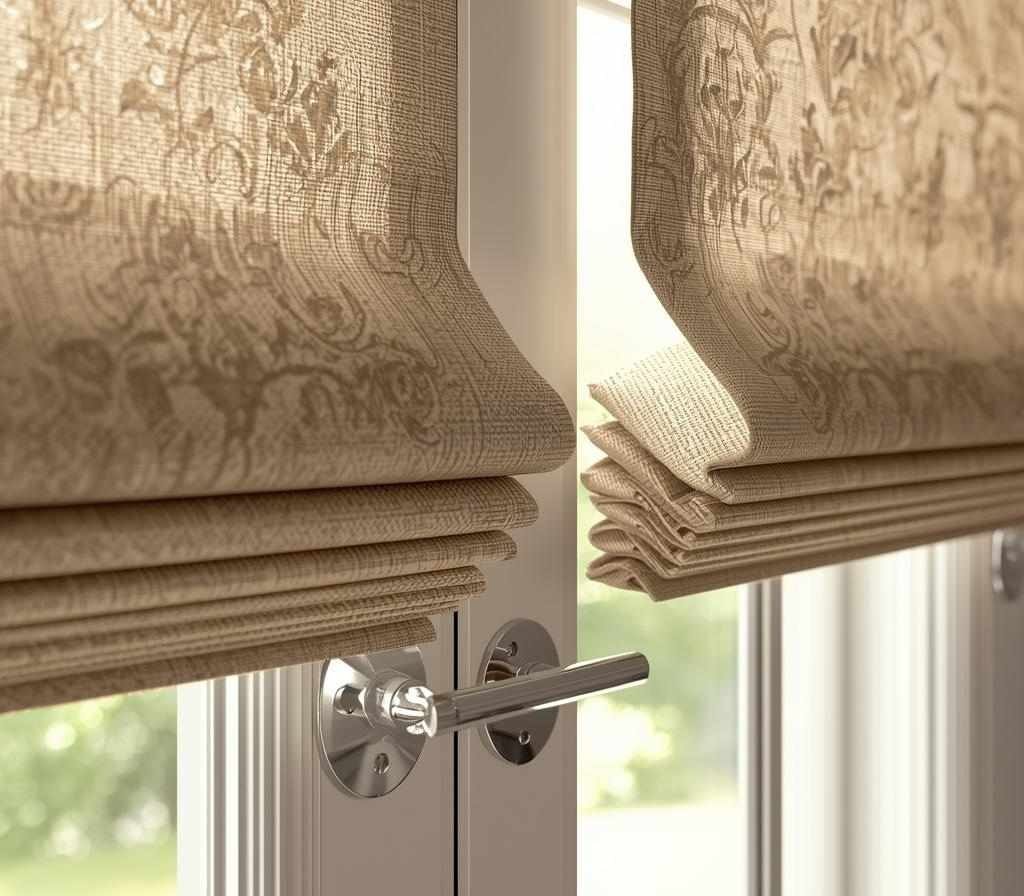
Window Treatments for Large Windows

Window Treatments for Large Windows: Solutions That Make a Statement

French Door Window Treatments

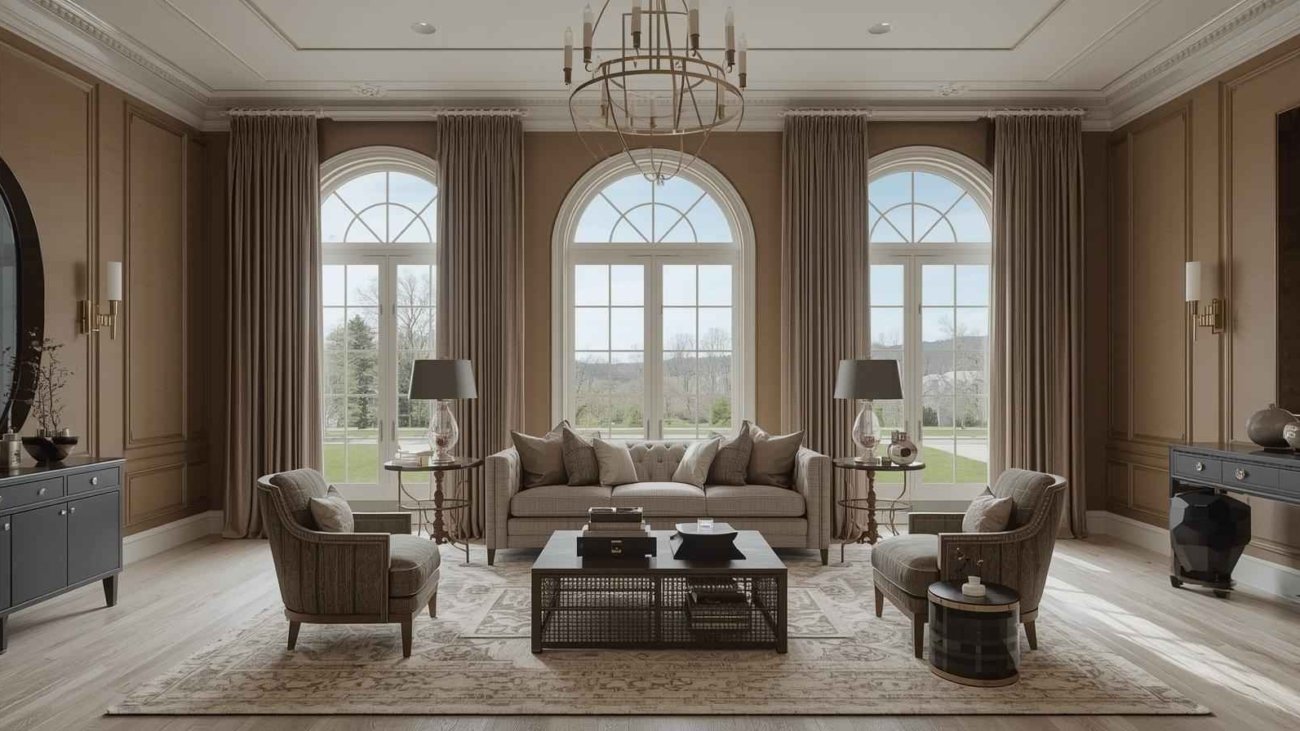
Large windows are a dream until you’re standing in your living room at sunset, squinting at your TV, or waking up at 5 a.m. because the sun decided your bedroom needed a wake-up call. Big windows flood rooms with light and views, but they also need coverings that can handle their size without looking awkward or costing a fortune. The trick is finding solutions that control light, add style, and don’t sag, break, or look like you just threw up some bedsheets. When you get it right, those massive windows become the best feature in your home instead of a daily headache.

The biggest mistake people make with oversized windows is treating them like regular ones but bigger. That doesn’t work. Large expanses of glass need specialized hardware that can support weight, treatments that operate smoothly despite their size, and designs that complement the scale without overwhelming the room. Let’s look at what actually works.

Motorized Solutions That Handle the Heavy Lifting

If your windows are taller than you can comfortably reach or wider than your arm span, motorized treatments aren’t just convenient, they’re kind of necessary. Trying to raise and lower a 10-foot shade by hand gets old fast, and the cords or chains can be a tangled nightmare. Motorized roller shades, cellular shades, or even drapes glide up and down with a remote, phone app, or wall switch. They’re especially great for windows above staircases, two-story walls, or any spot where a ladder would be your only option. The motors handle the weight evenly so nothing sags or hangs crooked. You can program them to open at sunrise and close at sunset, or sync them with your smart home system. Yeah, they cost more upfront, but if you’re dealing with seriously large windows, they’re worth every penny for the convenience alone.

Not sure what will work for your specific space? Talk to a window treatment consultant who can measure your windows and recommend the best window treatments that fit both your budget and how you actually live.

Layering for Flexibility and Drama

One treatment rarely does everything you need on a big window. Layering gives you options. Start with something functional like solar shades or sheers that filter light and reduce glare during the day. Then add drapes or panels on the outside for privacy, insulation, and that finished designer look. The sheers stay closed most of the time while the drapes can be pulled back to frame the window or closed at night for full coverage. This combo works especially well in living rooms where you want flexibility throughout the day. Vertical panels or sliding tracks are another layering option that looks super clean and modern. They stack to one side when open and slide across for coverage. You can even use different opacities, putting a light-filtering panel behind a blackout one so you control exactly how much light comes through.

Choosing the Right Hardware

Your brackets, rods, and tracks need to support serious weight without bowing or pulling away from the wall. Look for commercial-grade hardware rated for the size and weight of your treatment. Center support brackets prevent sagging on wide spans. For really massive windows, consider a track system instead of a traditional rod because tracks distribute weight more evenly and operate more smoothly.

Need installation expertise? A professional window treatment installation service ensures your hardware is properly anchored and rated for your window size, so everything operates safely and looks perfect.

Style Ideas That Actually Work at Scale

Big windows can handle bold choices that would overwhelm smaller ones. Floor-to-ceiling drapes in a rich color or interesting texture make a serious statement. Oversized roman shades bring structure and sophistication. Vertical wood blinds add warmth and work great on sliding glass doors or wall-sized windows. Whatever you pick, make sure it’s proportional. Tiny patterns or skinny panels look lost on huge windows. Go bigger and bolder than you think you should. Wide vertical stripes, large-scale prints, or solid saturated colors all work beautifully. Keep the lines clean though. Too much fussiness, ruffles, or complicated details can make large treatments look heavy and dated.

Some practical style tips:

  • Mount high and wide – Hang treatments several inches above and beyond the window frame to maximize the visual impact
  • Consider the view – If your window overlooks something amazing, choose treatments that stack completely clear when open
  • Match your architecture – Modern homes look great with clean panels or roller shades; traditional spaces can handle more decorative options
  • Think about scale – The width of your panels or slats should be proportional to the window size

Want a cohesive look throughout your home? Explore custom blinds, custom blinds Westchester County New York, and quality window treatments & hardware designed specifically for challenging window sizes.

Practical Considerations You Can’t Ignore

Large window treatments are heavier, harder to install, and more expensive than standard sizes. Budget accordingly. If cost is a concern, focus on the main living areas first and do bedrooms later. Consider energy efficiency too. Cellular shades or insulated drapes on big windows can seriously cut your heating and cooling costs because that’s where you lose the most energy. Safety matters as well. Cordless or motorized options are safest, especially if you have kids or pets. And think about cleaning. Treatments on massive windows collect dust but are harder to take down and wash. Look for materials that can be vacuumed with an upholstery attachment or wiped down in place.

Ready to tackle those oversized windows? Combine smart design with the best window treatment solutions, get expert advice on what are window treatments that suit your specific challenges, and consider healthy window blinds that improve your home’s comfort and air quality. Those big beautiful windows deserve coverings that work as hard as they look good.

Frequently Asked Questions

What’s the best treatment for floor-to-ceiling windows?

Motorized roller shades or vertical panel tracks work best because they handle the height smoothly and won’t sag or become difficult to operate over time.

How do you keep large curtains from looking droopy?

Use commercial-grade rods with center support brackets, and make sure the hardware is rated for the weight. Quality fabric and proper lining also help maintain structure.

Can you use regular blinds on oversized windows?

Standard blinds often max out around 96 inches wide. Beyond that, you’ll need custom solutions or multiple panels that operate together for a cohesive look.

Do motorized shades work during power outages?

Most have battery backup systems that let you operate them manually during outages, though the automatic features obviously won’t work without power.

What’s the most budget-friendly option for large windows?

Simple roller shades or panel curtains on basic hardware offer good coverage without breaking the bank, though you’ll sacrifice some of the premium features.

French Return Curtain Rods

French Return Curtain Rods: Installation Tips and Design Benefits

French Return Curtain Rods

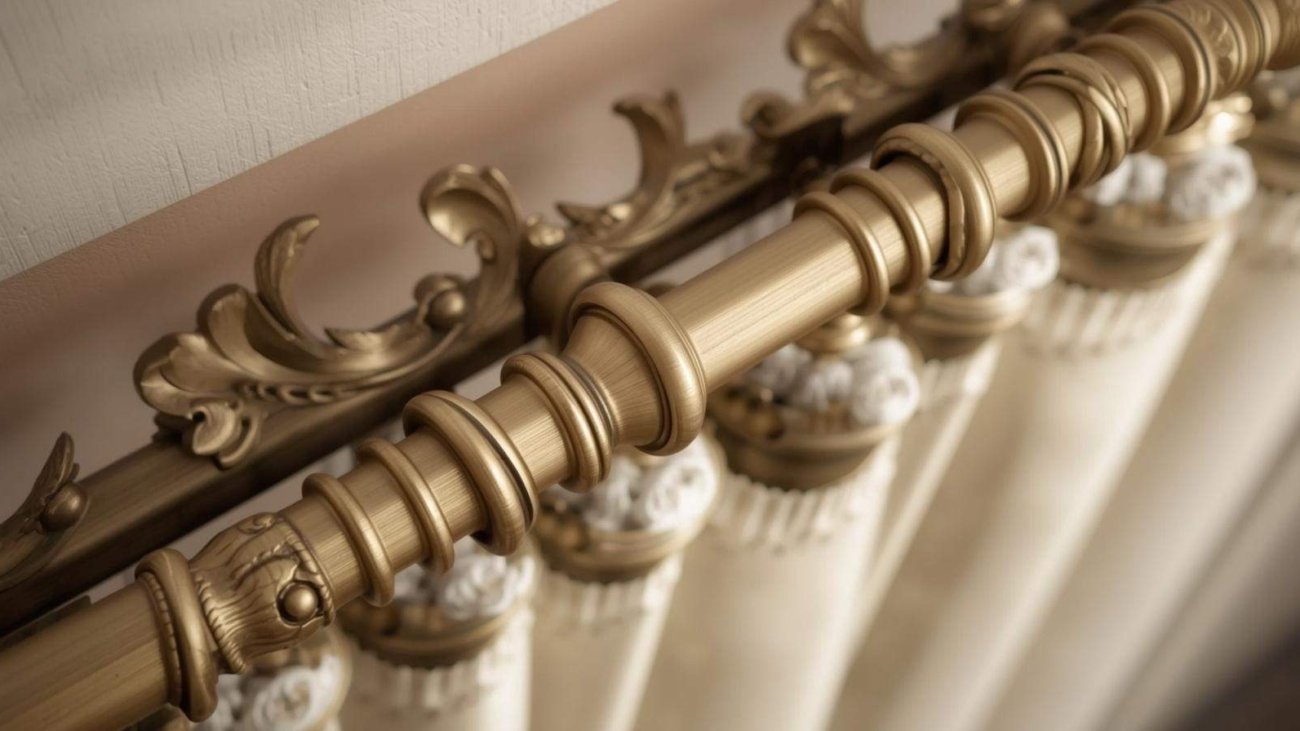
Here’s a secret that interior designers don’t always share: the way your curtain rod ends can completely change how expensive your windows look. French return rods, those clever hardware pieces that angle back toward the wall, might seem like a small detail, but they make curtains hang better, look more custom, and actually keep more light out. If you’ve ever wondered why some windows just look more polished than others, this is often the answer. They’re not complicated to install, and the difference they make is immediate.

Westchester’s Trusted Window Experts

Ready to Elevate
Your Living Space?

Custom blinds, shades, shutters & draperies — designed around your home

and your style.

Most people hang curtains on standard rods and call it done. But French returns solve real problems. They stop light from sneaking in at the edges, keep curtains from sliding into the corners, and create that tailored look you see in magazines. Once you know what they do, you’ll start noticing them everywhere, and probably want them in your own place.

What Makes French Return Rods Worth It

The basic idea is simple: instead of your curtain rod ending with a finial sticking straight out, a French return curves the rod back to meet the wall at a 90-degree angle. This creates a pocket where your curtain sits flush against the wall on both sides. The benefits are actually pretty practical. First, you get better light control because there’s no gap where morning sun sneaks through. Second, your curtains hang straighter and look neater because they can’t bunch up in the corners. Third, it makes any window treatment look more intentional and finished, even if you’re using affordable panels. The return itself is usually about four to six inches deep, which is enough to make a difference without eating up wall space. You can use them with any curtain style, pinch pleat, grommet, rod pocket, whatever you’ve got. They work especially well in bedrooms where you want total darkness, or in formal spaces where you’re going for that designer vibe.

Westchester’s Trusted Window Experts

Ready to Elevate
Your Living Space?

Custom blinds, shades, shutters & draperies — designed around your home

and your style.

Thinking about upgrading your space? Talk to a window treatment consultant who can show you how French returns work with the best window treatments for your specific rooms and style.

Installing French Return Rods the Right Way

Here’s the good news: if you can install a regular curtain rod, you can handle this. The process is nearly identical, just with a couple extra mounting points. You’ll mount your main brackets where the rod goes across the window, plus one bracket on each side wall where the return meets. Most French return rods come as a kit with everything included, the main rod, the return pieces, and all the brackets you need. Measure your window width and add about eight to twelve inches total (four to six on each side) for the returns. That’s your rod length.

Westchester’s Trusted Window Experts

Ready to Elevate
Your Living Space?

Custom blinds, shades, shutters & draperies — designed around your home

and your style.

Step-by-Step Basics

Start by marking where your main brackets go, typically four to six inches above the window frame and extending past each side. Install those first, making sure they’re level. Then attach the return brackets on the side walls, positioned so the return piece angles back naturally. The return sections usually connect to the main rod with a corner piece or elbow joint. Thread your curtains onto the rod before you connect everything, trust me, it’s way easier. Once assembled, the whole thing mounts just like a standard rod setup.

Westchester’s Trusted Window Experts

Ready to Elevate
Your Living Space?

Custom blinds, shades, shutters & draperies — designed around your home

and your style.

Common Mistakes to Avoid

  • Skipping wall anchors – These rods carry more weight because of the angle, so don’t rely on drywall alone if you’re not hitting studs
  • Short returns – Make sure your return pieces are long enough to actually reach and touch the wall, or you lose all the light-blocking benefits
  • Uneven installation – Double-check that everything’s level before drilling final holes because crooked returns are super noticeable once curtains hang
  • Threading curtains last – Always put your curtain panels on the rod before final assembly to save yourself major frustration

Need help getting it perfect? A professional window treatment installation service ensures your rods are level, secure, and properly positioned, especially helpful for tricky windows or heavy fabrics.

Westchester’s Trusted Window Experts

Ready to Elevate
Your Living Space?

Custom blinds, shades, shutters & draperies — designed around your home

and your style.

Design Flexibility and Room-by-Room Ideas

French returns aren’t just for fancy formal rooms. They work great in bedrooms paired with blackout curtains because they eliminate light gaps completely. In living rooms, they make your main windows look bigger and more architectural. Even in smaller spaces, they add a custom touch without requiring custom measurements. You can use them with layered treatments too, sheers behind heavier drapes both hang on the same return rod system. They pair beautifully with patterned curtains because the clean lines let the fabric be the star.

Here’s where they shine in different spaces:

  • Bedrooms – Total darkness for better sleep when paired with blackout panels
  • Living rooms – Creates an upscale, architectural focal point on main windows
  • Home offices – Reduces glare while maintaining a professional appearance
  • Dining rooms – Adds formal elegance without overwhelming the space

For modern spaces, go with simple metal returns in black or brushed nickel. Traditional rooms look amazing with decorative wood returns that match your furniture.

Looking for cohesive style throughout your home? Explore window treatments & hardware that complement French returns, or consider custom blinds Westchester County New York for a completely coordinated look.

Westchester’s Trusted Window Experts

Ready to Elevate
Your Living Space?

Custom blinds, shades, shutters & draperies — designed around your home

and your style.

Why This Detail Actually Matters

Walk into any professionally designed room and you’ll see thoughtful details like French returns. They signal that someone cared about how the space came together. But beyond looking good, they genuinely function better, keeping light out, making curtains hang properly, and protecting your fabric edges from rubbing against walls. It’s one of those upgrades that feels expensive but doesn’t have to be. Whether you’re doing one statement window or outfitting your whole house, French returns turn basic window dressing into something that actually catches your eye in the best way.

Ready to elevate every window? Combine French return rods with the best window treatment options, healthy window blinds for improved air quality, and expert advice on the best type of blinds for living room spaces. Your home deserves that finishing touch.

Frequently Asked Questions

What exactly is a French return on a curtain rod?

It’s a rod that angles back toward the wall at each end instead of stopping with a finial, creating a cleaner look and better light control.

Can I use French returns with any type of curtains?

Yes, they work with all curtain styles including grommets, rod pockets, pinch pleats, and rings. The hanging method doesn’t matter.

Are French return rods harder to install than regular rods?

Not really. You just need a couple extra brackets for the return pieces, but the installation process is basically the same as standard rods.

Do French returns actually block more light?

Absolutely. By bringing the curtain flush against the wall on both sides, they eliminate the gaps where light typically sneaks through at the edges.

Where should I use French return curtain rods?

They’re perfect for bedrooms where you want darkness, formal living spaces, or anywhere you want a polished, custom look without custom pricing.

Best Blackout Blinds for Bedrooms in 2026

Best Blackout Blinds for Bedrooms in 2026

Best Blackout Blinds for Bedrooms in 2026

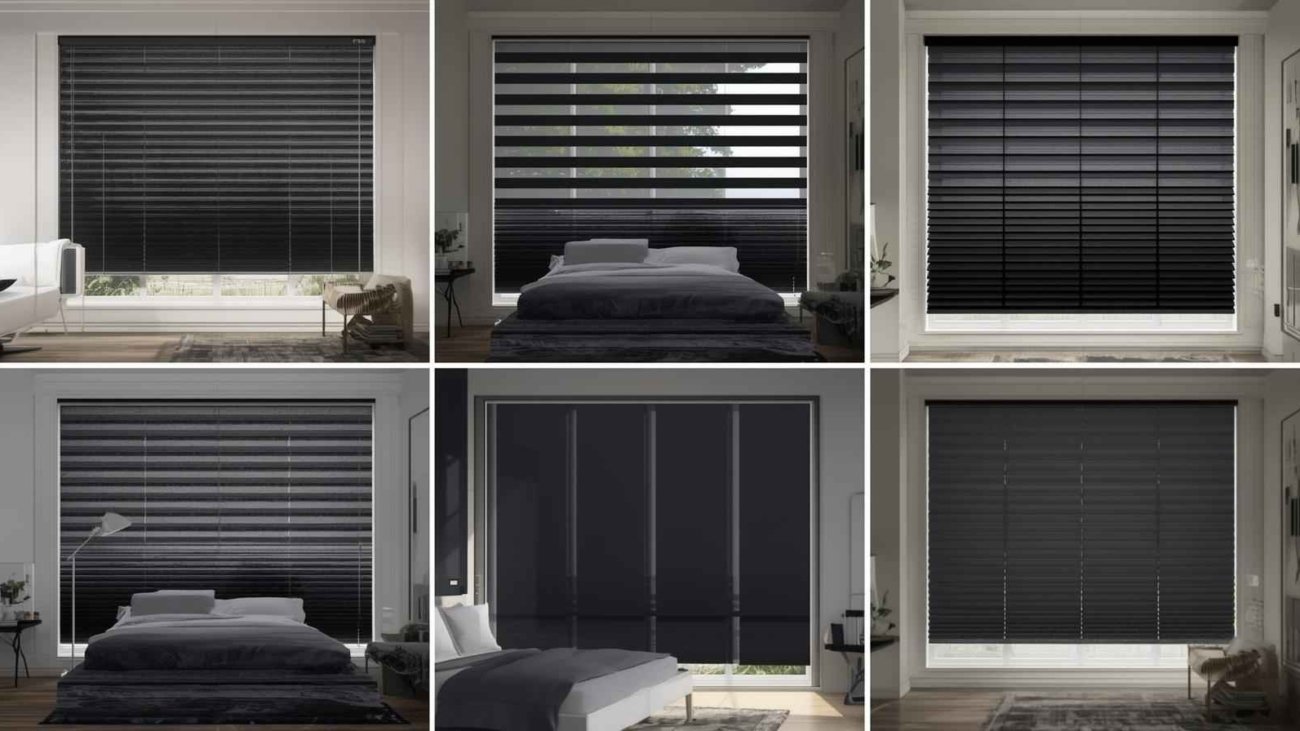
Have you ever woken up groggy because the morning sun hit your face way too early? Or maybe a streetlamp outside your window keeps you tossing and turning at night? Light pollution is a real sleep thief. While we often focus on comfortable mattresses or the perfect pillow, we forget that total darkness is just as critical for deep, restorative rest.

Blackout blinds are the unsung heroes of sleep hygiene. They do more than just block light; they offer privacy, reduce noise, and even help regulate your room’s temperature, saving you money on energy bills.

Westchester’s Trusted Window Experts

Ready to Elevate
Your Living Space?

Custom blinds, shades, shutters & draperies — designed around your home

and your style.

In this guide, we will explore the top blackout blinds for 2026 to help you transform your bedroom into a true sleep sanctuary. We’ll cover the best options on the market, what features actually matter, and how to choose the perfect set for your windows.

Why You Need Blackout Blinds in 2026

The concept of a dark room for sleeping isn’t new, but the technology behind window treatments has evolved significantly. Modern blackout blinds aren’t just stiff, plastic sheets anymore.

Westchester’s Trusted Window Experts

Ready to Elevate
Your Living Space?

Custom blinds, shades, shutters & draperies — designed around your home

and your style.

Enhanced Sleep Quality

Our bodies run on circadian rhythms, which are heavily influenced by light exposure. Even a small amount of ambient light can suppress melatonin production, the hormone that tells your body it’s time to sleep. Installing high-quality blackout blinds ensures your room stays pitch black, signaling to your brain that it is time to rest.

Energy Efficiency

Windows are major culprits for heat loss in winter and heat gain in summer. Thermal blackout blinds act as an insulating barrier. By trapping air between the fabric and the glass, they keep your bedroom cooler in the summer and warmer in the winter, potentially lowering your HVAC usage.

Top Blackout Blinds for 2026: Our Picks

We have analyzed the market to bring you the best options available this year. Whether you need a quick fix or a luxury upgrade, here are the standout performers.

1. The SleepEasy Thermal Roller Shade

Best Overall

This roller shade hits the sweet spot between functionality, aesthetics, and price. It features a multi-layer fabric design that blocks 100% of incoming light while providing excellent thermal insulation.

  • Features: Cordless lift mechanism, thermal backing, moisture-resistant fabric.
  • Pros: incredibly easy to install, sleek modern look, child-safe design.
  • Cons: Limited pattern options compared to custom drapes.
  • Price Range: $$ (Mid-range)

2. LuxDark Custom Cellular Shades

Best for Energy Efficiency

If your primary goal is temperature control along with darkness, cellular (honeycomb) shades are the way to go. The LuxDark model uses a double-cell construction to trap air effectively.

  • Features: Double-cell honeycomb design, side tracks to prevent light gaps, sound-absorbing material.
  • Pros: Superior insulation, significant noise reduction, available in motorization options.
  • Cons: Can be difficult to clean dust out of the cells; higher price point.
  • Price Range: $$$ (High-end)

3. QuickNap Portable Blackout Curtains

Best for Renters and Travel

Not everyone can drill holes in their walls. The QuickNap curtains use heavy-duty suction cups or velcro strips to attach directly to the window frame, making them perfect for apartments or travel.

  • Features: portable travel bag included, adjustable sizing via velcro, 100% blackout material.
  • Pros: No tools required, very affordable, take them anywhere.
  • Cons: Not as aesthetically pleasing as permanent fixtures; suction cups can sometimes lose grip.
  • Price Range: $ (Budget-friendly)

4. SmartShade Motorized Blackout Blinds

Best Tech Integration

For the smart home enthusiast, these blinds integrate seamlessly with Alexa, Google Home, and HomeKit. You can schedule them to open gently with your alarm clock.

  • Features: Voice control, app scheduling, solar charging panel options.
  • Pros: Ultimate convenience, wake up to natural light automatically, adds value to the home.
  • Cons: Expensive upfront cost; requires Wi-Fi setup.
  • Price Range: $$$$ (Premium)

Key Factors When Choosing Blackout Blinds

Picking the right blinds involves more than just grabbing the darkest color you see. Here is what you need to consider before clicking “buy.”

Westchester’s Trusted Window Experts

Ready to Elevate
Your Living Space?

Custom blinds, shades, shutters & draperies — designed around your home

and your style.

Material Quality and Opacity

Not all “blackout” fabrics are created equal. Some are merely “room darkening,” which means they block about 90-95% of light. True blackout blinds should block 100%. Look for blinds with a verified opacity rating or a specific liner sewn into the back. Thicker, tightly woven fabrics generally perform better.

Installation Type: Inside vs. Outside Mount

Inside Mount: The blind fits inside the window frame. This looks cleaner and more custom but often leaves small “light gaps” on the sides where the sun can sneak through.
Outside Mount: The blind is mounted on the wall above the window frame. This covers the entire opening and eliminates light gaps, making it the superior choice for total darkness, even if it looks slightly bulkier.

Operating Mechanism

Safety is a huge consideration, especially if you have pets or young children.

  • Cordless: Safest and cleanest look. You simply push or pull the bottom rail.
  • Motorized: The most convenient but most expensive.
  • Continuous Cord Loop: Good for very large or heavy blinds, but requires safety anchors.

Side Channels (The Secret Weapon)

If you are buying roller shades, look for options that include “side channels” or “light blockers.” These are U-shaped strips that stick to the sides of your window frame. The edges of the shade slide inside these channels, preventing that annoying halo of light from glowing around the edges of your blind.

Westchester’s Trusted Window Experts

Ready to Elevate
Your Living Space?

Custom blinds, shades, shutters & draperies — designed around your home

and your style.

Why Color Doesn’t Always Matter

A common myth is that you must buy black curtains to get a blackout effect. This is false. High-quality blackout blinds rely on a liner or the core material construction to block light. You can have stark white or soft beige blinds that block light just as effectively as charcoal ones, keeping your bedroom decor light and airy while still functioning perfectly at night.

Conclusion

Investing in high-quality blackout blinds is one of the most impactful upgrades you can make for your bedroom. Whether you choose the high-tech Shade or the renter-friendly QuickNap, prioritizing darkness will pay dividends in better sleep, improved mood, and lower energy bills.

Don’t let the streetlights dictate your sleep schedule any longer. Evaluate your windows, decide on your budget, and choose the blackout solution that fits your life.

Ready to reclaim your sleep? Start by measuring your windows today and exploring the options listed above to find your perfect match.

Modern Window Treatments

Modern Window Treatments: A Complete Guide to Contemporary Styles

Window Treatments for Large Windows

Let’s be honest, picking window treatments can feel overwhelming. You want something that looks good, blocks out your nosy neighbor’s view, and doesn’t break the bank. The good news? Modern options have come a long way. If you’ve been asking yourself what window treatments actually make sense for real life, you’re about to find out. Today’s styles aren’t just prettier, they’re smarter, easier to use, and way more functional than the dusty blinds your parents had.

The difference between outdated window coverings and modern ones is huge. We’re talking about sleek designs that work with your phone, fabrics that actually keep your house cooler, and styles that don’t scream “I bought this at a big box store in 2005.” Let’s dig into what’s out there and how to figure out what works for your home.

Why Modern Window Treatments Are Actually Better

Here’s the thing about today’s window coverings, they’re designed around how we actually live. Nobody wants complicated cords dangling everywhere or blinds that get stuck halfway. Modern styles give you clean lines and easy operation. You’ll see roller shades that tuck away completely, honeycomb blinds that cut your energy bill, and sheer fabrics that let light in without turning your living room into a fishbowl. The materials are better too. You can get fabrics that won’t fade in the sun, natural textures like bamboo that add warmth, or moisture-resistant options for steamy bathrooms. Plus, most new designs skip the cords entirely, which is safer if you’ve got kids or pets running around. You can even get ones that rise from the bottom up, so you keep your privacy but still see the sky.

Feeling stuck on where to start? A window treatment consultant can walk you through what actually works for your space instead of just selling you whatever’s on sale. And if you’re hunting for the best window treatments, getting personalized advice beats guessing every time.

Styles That Actually Look Good in Real Homes

Walk into any design-forward home right now and you’ll probably see roller shades or solar screens. They’re stupid simple, just smooth fabric that rolls up and down. You can get them in blackout if you’re a serious sleeper, light-filtering for soft vibes, or sheer if you just want to tone down the glare. Solar shades are having a moment because they block heat and UV rays but don’t kill your view. That’s why they’re often called the best blinds for living room setups where you want comfort without feeling like you’re in a cave.

Then there are cellular shades, which look like little honeycomb pockets when you peek at them from the side. Those air pockets actually insulate your windows, keeping rooms warmer in winter and cooler in summer. They come in tons of colors and you can pick how much light gets through.

If you’re into texture, woven wood shades and bamboo blinds bring that organic, relaxed feel that makes modern spaces feel less cold. Linen curtains work too, they’re breezy and soft without looking too formal.

Got an outdoor space you actually want to use? Check out outdoor patio blinds that hold up to weather while giving you shade and privacy for backyard hangs.

Matching Treatments to Your Actual Life

Your living room needs something different than your bedroom, right? In main living areas, a lot of people layer things, maybe sheer curtains with heavier drapes you can close at night, or blinds paired with soft panels on the sides. Bedrooms are where you want serious darkness, so blackout cellular shades or lined curtains are your friends. They’re honestly the best type of blinds for living room-style comfort when you need real sleep.

Kitchens and bathrooms get steamy and splashy, so go with faux wood or vinyl, they won’t warp or get gross. And if you work from home, you need something that cuts glare on your screen without making your office feel like a dungeon.

Here’s where it gets cool: motorized shades. Yeah, they sound fancy, but they’re becoming normal. You can set them to open when you wake up, close them from your couch, or sync them with your smart home. Battery-powered ones don’t even need an electrician.

Want something that fits like it was made for your windows? Because it was. Custom blinds or custom blinds Westchester County New York give you exact measurements and way better quality than the generic stuff.

Getting Them Installed Right

Some treatments you can definitely DIY, basic roller shades aren’t rocket science. But others, especially motorized systems or anything custom, really benefit from professional window treatment installation service. When it’s done right, everything operates smoothly, seals properly, and looks polished instead of wonky.

Ready to upgrade your whole vibe? Combine the best window treatment styles with healthy window blinds that improve your home’s air quality, and get the right window treatments & hardware to make everything work seamlessly. Your space will thank you.

Frequently Asked Questions

What are the most popular modern window treatments?

Right now, people love roller shades, cellular blinds, and natural woven materials because they look clean and actually do their job without a lot of fuss.

How do I choose between blinds and shades?

Blinds have slats you can tilt for light control, while shades are one smooth piece that’s better for insulation. Both look great, it just depends on what matters more to you.

Are custom window treatments worth the investment?

Yeah, they really are. They fit perfectly, use way better materials, and last forever compared to the cheap ready-made ones that you’ll replace in a few years anyway.

Can window treatments really reduce energy costs?

Totally. Good cellular shades or solar screens can cut your cooling costs by almost half by blocking heat, which means your AC isn’t working overtime all summer.

What’s the best low-maintenance option?

Roller shades and faux wood blinds are pretty much set-and-forget. They don’t collect much dust, handle moisture fine, and you can just wipe them down when needed.

Natural vs Synthetic Window Treatments

Plantation Shutters vs. Blinds: Pros, Cons & Pricing

When it comes to selecting the best window treatments for your home, the choices can feel overwhelming. Among the most popular options are plantation shutters and blinds. Both have their unique charm and functionality, but which one will suit your needs best?

Westchester’s Trusted Window Experts

Ready to Elevate
Your Living Space?

Custom blinds, shades, shutters & draperies — designed around your home

and your style.


Imagine waking up to filtered sunlight streaming through elegant slats or enjoying complete privacy with a simple twist of a wand. Whether you’re looking to enhance your home’s aesthetic or improve energy efficiency, understanding the pros and cons of each option is essential before making an investment.

In this blog post, we’ll dive deep into plantation shutters versus blinds—exploring everything from their differences to pricing comparisons. By the end, you’ll be equipped with all the information needed to make an informed decision about enhancing your living space with stunning window coverings. Let’s get started!

What are Plantation Shutters and Blinds?

Plantation shutters are solid window coverings with wide slats that can be adjusted to control light and airflow. Typically made from wood or composite materials, they offer a timeless look that complements various interior styles.

Westchester’s Trusted Window Experts

Ready to Elevate
Your Living Space?

Custom blinds, shades, shutters & draperies — designed around your home

and your style.

These shutters are usually mounted on the interior side of windows. They provide an elegant touch while enhancing privacy and insulation. Their design allows for optimal natural light management without sacrificing aesthetics.

Blinds, on the other hand, come in various materials like vinyl, aluminum, or fabric. They feature narrow slats that can also be tilted to regulate light levels effectively.

Available in numerous styles and colors, blinds tend to offer more flexibility regarding design choices at often lower price points than plantation shutters. Both options serve their purpose well but cater to different preferences and practical needs within a home environment.

Differences between Plantation Shutters and Blinds

Plantation shutters and blinds serve similar purposes but have distinct differences that set them apart.

Plantation shutters are typically made from solid materials like wood or composite, offering a sturdy feel and classic aesthetic. Their wide slats can be adjusted to control light while providing privacy effectively.

On the other hand, blinds come in various materials such as vinyl, aluminum, or fabric. They often consist of multiple horizontal or vertical slats that also allow for light management but may not deliver the same level of insulation as shutters.

Another key difference lies in installation. Plantation shutters are usually custom-made and mounted directly onto window frames, making them a permanent fixture. Blinds, however, offer more versatility since they can be easily installed and removed without significant commitment.

When it comes to style impact, plantation shutters exude elegance and charm while blinds provide a more casual vibe suitable for different decor styles.

Westchester’s Trusted Window Experts

Ready to Elevate
Your Living Space?

Custom blinds, shades, shutters & draperies — designed around your home

and your style.

Pros of Using Plantation Shutters

Plantation shutters offer a timeless elegance that enhances any home decor. Their classic design complements both traditional and contemporary styles, making them incredibly versatile.

One of the standout benefits is their energy efficiency. These shutters provide excellent insulation, helping to keep your home cool in summer and warm in winter. This can lead to lower energy bills over time.

Maintenance is another area where plantation shutters shine. Unlike fabric blinds that collect dust and grime, these hard surfaces are easy to wipe clean with just a damp cloth.

Moreover, they give you control over light and privacy effortlessly. Adjusting the slats allows for customizable lighting without sacrificing your view or seclusion from outside eyes.

Their durability sets them apart from other window treatments. Made from high-quality materials like wood or composite, plantation shutters can last for decades with minimal wear and tear.

Westchester’s Trusted Window Experts

Ready to Elevate
Your Living Space?

Custom blinds, shades, shutters & draperies — designed around your home

and your style.

Cons of Using Plantation Shutters

Plantation shutters can be an attractive addition to any home, but they come with a few drawbacks. One significant downside is their cost. Installation can be pricey, especially for custom-made options.

Another consideration is maintenance. While they are relatively easy to clean, the slats can collect dust and require regular upkeep. Neglecting this task may result in a dusty appearance over time.

Additionally, plantation shutters aren’t as versatile as some other window treatments. They often can’t provide complete blackout conditions like certain blinds or shades do.

Also worth noting is that plantation shutters might not fit every aesthetic preference. Their distinctive style may clash with modern or minimalist decor where simpler solutions would work better.

In terms of installation, retrofitting existing windows could pose challenges due to their size and structure limitations. Hence, it’s essential to evaluate these factors before making a decision.

Westchester’s Trusted Window Experts

Ready to Elevate
Your Living Space?

Custom blinds, shades, shutters & draperies — designed around your home

and your style.

Pros of Using Blinds

Blinds offer a versatile solution for window treatments. They come in various styles, materials, and colors to match any decor. Whether you prefer sleek aluminum or warm wood finishes, there’s something for everyone.

They are easy to operate. You can quickly adjust them to control light levels and privacy. This functionality makes them ideal for different rooms—from living spaces to bedrooms.

Maintenance is straightforward as well. Most blinds require just regular dusting or gentle wiping with a damp cloth. Unlike heavier treatments, they don’t trap dirt easily.

Affordability is another significant benefit. Blinds typically cost less than plantation shutters while still providing stylish options that enhance your home’s appearance.

Installation is often simpler compared to more permanent fixtures like shutters—making it easier to refresh your space without major renovations.

Westchester’s Trusted Window Experts

Ready to Elevate
Your Living Space?

Custom blinds, shades, shutters & draperies — designed around your home

and your style.

Cons of Using Blinds

Blinds can be a practical choice, but they do come with some drawbacks. One major issue is durability. Many blinds are made from materials that wear down over time, leading to fraying or breaking.

Cleaning can also be a hassle. Dust and dirt accumulate quickly on slats, making them look dingy if not maintained regularly. Unlike plantation shutters, which often require just a simple wipe-down, blinds demand more effort for thorough cleaning.

Light control might not always meet expectations. Depending on the style chosen, gaps may allow light to seep through when closed tightly. This inconsistency can disrupt your desired ambiance.

Aesthetics play a role too; while some people appreciate their modern vibe, others find them less visually appealing compared to the classic elegance of plantation shutters.

Pricing Comparison between Plantation Shutters and Blinds

When it comes to pricing, plantation shutters generally have a higher upfront cost than blinds. The materials and craftsmanship involved in making these sturdy window treatments contribute to their price tag.

On average, plantation shutters can range anywhere from $20 to $45 per square foot, depending on the type of material used. Wood is often pricier than vinyl or composite options.

Blinds offer a more budget-friendly alternative, with prices typically starting around $10 and going up to $30 per square foot. This wide range accommodates various materials like faux wood, aluminum, and fabric.

While blinds may seem economical initially, consider long-term costs such as replacement or repairs. Plantation shutters often last much longer due to their durability. When weighing your choices between different types of window coverings, think about both immediate expenses and future value for money.

Factors to Consider When Choosing Between Plantation Shutters and Blinds

Consider your style preferences first. Plantation shutters offer a classic, timeless look that can elevate any room’s decor. Blinds, on the other hand, come in various materials and colors to match modern aesthetics.

Next, evaluate light control needs. Shutters provide excellent light filtering and privacy options with adjustable slats. Blinds also allow for similar functionality but may vary based on their design.

Durability is another factor. Plantation shutters tend to be more robust and long-lasting than standard blinds made from fabric or vinyl. Think about maintenance as well; while both require cleaning, shutters often need less frequent upkeep due to their sturdy nature.

Budget constraints play a crucial role too. While initial costs for plantation shutters are higher, they can be seen as an investment in durability and aesthetics over time compared to blinds that might need replacement sooner.

Consider installation complexity—shutters usually require professional fitting whereas blinds can often be installed by homeowners easily.

Westchester’s Trusted Window Experts

Ready to Elevate
Your Living Space?

Custom blinds, shades, shutters & draperies — designed around your home

and your style.

Conclusion

When it comes to choosing between plantation shutters and blinds, personal preference plays a significant role. Both options serve the essential purpose of controlling light and privacy in your home. However, they offer different aesthetics, functionality, and costs.

Plantation shutters provide a timeless look that can enhance the value of your property. Their durability makes them an excellent long-term investment for homeowners who prioritize style and longevity. On the other hand, blinds are often more budget-friendly and come in various materials and designs, making them versatile for any room or decor.


Plantation Shutters vs. Blinds Pros, Cons & Pricing

Which Blinds Are Best for Small Apartments?

Living in a small apartment can be both charming and challenging. With limited space, every choice matters—from furniture to décor. One of the most impactful decisions you can make is selecting the right blinds or shades for your windows. Not only do they provide privacy and light control, but they also add style and personality to your home.

In this post, we’ll explore how the perfect window treatments can transform your small living area. Whether you’re looking for sleek roller blinds or cozy Roman shades, understanding their benefits will help you create a comfortable sanctuary tailored just for you. Let’s dive into choosing the best options that work harmoniously with your compact space!

Westchester’s Trusted Window Experts

Ready to Elevate
Your Living Space?

Custom blinds, shades, shutters & draperies — designed around your home

and your style.

Benefits of using blinds in small apartments

Blinds offer an excellent solution for small apartments, enhancing both aesthetics and functionality. They provide a sleek look that can complement any decor style without overwhelming the space.

Privacy is one of their standout benefits. Living in close quarters with neighbors means you often want to shield your home from prying eyes. Blinds allow you to control visibility while still letting in natural light when needed.

Light control is another advantage. You can adjust blinds easily, creating a cozy atmosphere during the day or darkening rooms for movie nights. This flexibility helps maintain comfort throughout different times of the day.

Additionally, blinds are easy to clean and maintain, which is essential in smaller living spaces where dust tends to accumulate quickly. By choosing the right type of blinds for your windows, you enhance not only privacy but also energy efficiency—keeping your apartment cooler in summer and warmer in winter.

Westchester’s Trusted Window Experts

Ready to Elevate
Your Living Space?

Custom blinds, shades, shutters & draperies — designed around your home

and your style.

Factors to consider when choosing blinds for small apartments (size, privacy, light control)

When selecting blinds for small apartments, size is crucial. Opt for solutions that fit your windows perfectly to avoid overwhelming the space. Custom or adjustable options can provide a tailored look without sacrificing style.

Privacy is another essential factor. Look for materials and styles that shield you from prying eyes while still allowing natural light to filter in. This balance creates a cozy atmosphere without feeling cramped.

Light control plays a significant role too. Consider how much sunlight enters your apartment throughout the day. Blinds with adjustable slats can help you manage brightness effectively, creating an inviting environment during different times of the day.

Each decision impacts not just aesthetics but also functionality within your compact living space. Thoughtful choices will enhance both comfort and style seamlessly.

Top 5 types of blinds for small apartments (roller blinds, cellular shades, vertical blinds, mini blinds, roman shades)

When it comes to small apartments, choosing the right blinds can make a huge difference.

Roller blinds are sleek and simple, perfect for maximizing space while providing excellent light control. They come in various colors and patterns, ensuring you find one that matches your style.

Cellular shades offer energy efficiency through their honeycomb design. They trap air, helping maintain temperature while adding a touch of elegance to your windows.

Vertical blinds are ideal for larger openings but can be used effectively in smaller spaces too. Their adjustable slats allow easy access to natural light without compromising privacy.

Mini blinds are compact and affordable. They’re available in various materials, making them versatile enough for any decor theme.

Roman shades bring warmth and texture into your home with their soft fabric folds when raised. This classic option adds sophistication while still being functional for daily use.

How to properly measure and install blinds in a small apartment

Measuring for blinds in a small apartment is crucial to ensure a perfect fit. Start by measuring the width of your window frame at three different points: the top, middle, and bottom. Use the narrowest measurement for accuracy.

Next, measure the height from the top of the frame to where you want your blinds to end. Whether it’s just above the sill or long enough to touch it matters.

When installing, gather all necessary tools—screwdriver, level, and brackets. Mark where your brackets will go based on manufacturer instructions. Double-check measurements before drilling any holes.

Westchester’s Trusted Window Experts

Ready to Elevate
Your Living Space?

Custom blinds, shades, shutters & draperies — designed around your home

and your style.


Once installed, hang your blinds according to guidelines provided. Ensure they operate smoothly without obstruction from furniture or fixtures nearby. A proper setup adds functionality while enhancing your apartment’s aesthetic appeal.

Budget-friendly options for small apartment blinds

When it comes to decorating a small apartment, budget-friendly blinds are a game changer. You don’t need to break the bank for style and functionality.

Roller blinds stand out as an affordable option. They come in various colors and patterns, making them versatile enough for any decor style.

Mini blinds offer another economical solution. These compact options don’t take up much space while allowing you to adjust light levels easily.

If you prefer something more textured, consider faux wood shades. They mimic the look of real wood without the hefty price tag or maintenance issues.

Cellular shades often provide energy efficiency alongside affordability. Their unique design traps air, which can help regulate temperature and reduce energy costs over time.

Shopping at local home improvement stores or online retailers can yield great deals too. Look for sales or clearance items that fit within your budget!

Conclusion: Finding the perfect blinds for your small apartment can enhance both

Finding the perfect blinds for your small apartment can enhance both aesthetics and functionality. The right window treatments not only add style but also serve practical purposes such as light control and privacy. With various options available, it’s crucial to weigh factors like size and budget when choosing.

Selecting the best window treatments tailored to your needs will create an inviting atmosphere while maximizing space. Embrace the possibilities that come with well-chosen blinds and shades; they could be what elevates your small apartment from ordinary to extraordinary.

How Window Treatments Are Influencing Home Resale Value in 2026

How Window Treatments Are Influencing Home Resale Value in 2026

When it comes to selling your home, every detail counts. Among the often-overlooked elements that can significantly influence resale value are window treatments. These functional and aesthetic features do far more than just block out light; they set the tone for a space and can even sway potential buyers’ emotions. As we move through 2026, the role of window coverings has evolved dramatically, especially with new trends and technologies emerging on the market. From sleek designs to smart functionalities, choosing the right window treatments is becoming increasingly crucial in maximizing your home’s appeal and value. Let’s explore how these choices impact home resale in today’s competitive market.

The rise of smart window treatments and their appeal to potential buyers

Smart window treatments are gaining traction in today’s tech-savvy market. Homebuyers increasingly seek convenience and innovation, making these options highly desirable.

Automated shades and blinds can be controlled remotely or programmed to adjust throughout the day. This feature not only enhances comfort but also adds a modern flair to any room. Imagine waking up as your curtains gradually open with the sunrise—it’s an experience that resonates with many.

Furthermore, smart window treatments integrate seamlessly with home automation systems. Buyers appreciate being able to control lighting and privacy through voice commands or smartphone apps.

Energy efficiency is another key selling point. Many smart options come equipped with sensors that optimize natural light, helping reduce energy costs while creating a cozy atmosphere at home.

In essence, these advanced solutions cater to both aesthetic preferences and functional needs, making them attractive additions for potential buyers looking for modern living spaces.

Popular window treatment trends in 2026

In 2026, window treatment trends are all about blending style with functionality. Homeowners have embraced sleek designs that complement modern interiors while providing optimal light control.

Natural materials are making a strong comeback. Bamboo shades and linen curtains add warmth to spaces, creating an inviting atmosphere. These organic options resonate well with today’s eco-conscious buyers.

Color is also taking center stage. Bold hues and geometric patterns can transform a room’s energy instantly. People are opting for treatments that reflect their personality rather than sticking to traditional neutrals.

Smart window treatments continue to gain traction as technology advances. Automated blinds that sync with smart home systems offer convenience and efficiency, appealing greatly to tech-savvy buyers looking for the latest innovations in their homes.

Layering different types of treatments is another rising trend. Combining sheer and blackout options allows homeowners to customize light levels throughout the day while adding depth to windows.

The importance of energy-efficient window treatments for resale value

Energy-efficient window treatments are more than just a trend; they’re a smart investment for homeowners. In 2026, buyers increasingly prioritize sustainability in their purchasing decisions. This shift means that homes with energy-saving features stand out in the market.

These treatments help regulate indoor temperatures, reducing heating and cooling costs significantly. Potential buyers appreciate lower utility bills as it translates to long-term savings.

Additionally, many modern energy-efficient options come with stylish designs, appealing to aesthetics while providing functionality. Features like honeycomb shades or blackout curtains not only enhance comfort but also add value to your property.

By opting for the best window blinds focused on energy efficiency, you create an inviting atmosphere that attracts discerning buyers. Investing in these types of window coverings could very well pay off when it’s time to sell your home.

Choosing the right window treatments for your home

Choosing the right window treatments can significantly enhance your home’s aesthetics and functionality. It’s essential to consider both style and purpose.

Start by assessing each room’s needs. Bedrooms often benefit from blackout curtains for better sleep, while living rooms might call for sheer shades that allow natural light while maintaining privacy.

Materials play a crucial role too. Natural fabrics like cotton or linen add warmth, whereas synthetic options are typically more durable and easy to clean.

Don’t forget about color and pattern. Neutral tones offer versatility, but bold choices can serve as striking focal points in any space.

Consider ease of use as well—especially if you’re leaning towards smart window treatments. Automated systems can elevate convenience while appealing to tech-savvy buyers down the line.

Think about energy efficiency. Treatments that help regulate temperature not only improve comfort but also contribute positively to resale value.

Tips for maximizing the resale value of your home through window treatments

Investing in the right window treatments can significantly enhance your home’s appeal. Start by selecting styles that complement your interior design. Neutral colors often attract buyers, making spaces feel larger and more inviting.

Consider functionality alongside aesthetics. Motorized or smart window blinds not only add a modern touch but also create convenience for potential buyers.

Don’t overlook energy efficiency; treatments like cellular shades can lower heating and cooling costs. Highlight these benefits during viewings to woo eco-conscious homeowners.

Regular maintenance is vital too. Clean and well-maintained treatments send a message of care, suggesting that the home has been looked after overall.

Customize options for various rooms—sheer curtains in living areas offer light control while blackout shades in bedrooms ensure privacy and restful sleep. Thoughtful choices here can set your property apart from others on the market.

Conclusion: Investing in quality window treatments can pay off when it’s time to sell your home

The right window treatments can make a significant difference in your home’s appeal and resale value. Quality options like the best window blinds not only enhance aesthetics but also offer practical benefits. As we see trends shift toward smart technology, energy efficiency, and stylish designs, homeowners have more choices than ever.

Investing in high-quality window treatments is a decision that pays off when it’s time to sell. They create an inviting atmosphere while showcasing the home’s potential to buyers. By staying informed about current trends and prioritizing functionality alongside style, you can elevate your space and ensure it stands out on the market.

Whether you’re considering sheer shades for light control or sleek roller blinds for modern simplicity, remember that thoughtful selection will benefit you long after installation. A well-dressed window can be a game-changer during showings—enhancing both comfort and visual appeal. Take the time to assess what works best for your home; it’s an investment worth making as you prepare for future opportunities in real estate.

Natural vs Synthetic Window Treatments

Energy-Efficient Blinds That Can Lower Your Utility Bills

When it comes to creating a cozy and energy-efficient home, one often overlooked element is your window treatments. The right blinds can do more than just enhance your decor—they can significantly impact your utility bills. Imagine reducing those monthly expenses while elevating the style of your space. Energy-efficient blinds are not only practical but also stylish solutions for managing temperature and light in any room. Dive into this guide to discover how these innovative window coverings can benefit both you and the environment, all while being among the best window treatments available today!

Benefits of using energy-efficient blinds

Energy-efficient blinds offer a smart way to enhance your home’s comfort and reduce expenses. By effectively regulating indoor temperatures, these blinds can keep your space cooler in the summer and warmer during winter months.

The insulation provided by energy-efficient materials significantly lowers heating and cooling costs. This means you can enjoy a cozy living environment without constantly cranking up the thermostat.

Additionally, many energy-efficient designs have UV protection features. They safeguard your furniture from fading while still allowing natural light to filter through.

These window treatments also contribute positively to sustainability efforts. By lowering energy consumption, they help decrease overall environmental impact.

Moreover, there’s an aesthetic appeal that can’t be overlooked. With various styles available, you can find options that complement any room decor while reaping the rewards of savings on utility bills.

Types of energy-efficient blinds

Energy-efficient blinds come in various styles, each offering unique features. Cellular shades are among the most popular options. Their honeycomb structure traps air, providing excellent insulation.

Roller shades are another great choice for those wanting a sleek look. Many modern roller shades incorporate blackout fabrics that block out heat and light effectively.

Another option is plantation shutters. These sturdy window treatments offer versatility while reducing energy loss through adjustable slats.

Roman shades blend beauty with functionality, creating an elegant appearance while also delivering thermal efficiency.

Adjustable vertical blinds cater to larger windows and sliding doors. They can be easily tilted to control sunlight while maintaining privacy and comfort throughout your home.

Factors to consider when choosing energy-efficient blinds

When selecting energy-efficient blinds, consider the material. Different materials offer various insulation properties. For instance, cellular shades have air pockets that help trap heat.

Next, evaluate the style and design. Some options work better in certain rooms or complement your decor more effectively than others. Think about whether you want roller shades for a modern look or wooden blinds for a classic feel.

Light control is another important factor. Consider how much natural light you want to filter or block out entirely. This can affect both privacy and temperature regulation.

Don’t overlook size and fit as well. Properly fitted blinds prevent drafts from sneaking through gaps, maximizing their effectiveness.

Check if the product has an Energy Star rating or similar certification to ensure you’re choosing among the best window treatments available on the market today.

Tips for maximizing the energy-saving potential of blinds

To maximize the energy-saving potential of blinds, start by choosing the right type. Cellular shades are particularly effective due to their honeycomb structure, which traps air and provides insulation.

Positioning matters too. During summer months, keep your blinds closed during peak sunlight hours to block heat from entering. In winter, open them on sunny days to let warmth in while keeping them closed at night for added insulation.

Don’t overlook color choices when selecting window treatments. Lighter colors reflect sunlight and keep rooms cooler, whereas darker tones absorb heat but can also create a cozy atmosphere in colder seasons.

Regular maintenance is essential as well. Dust and dirt can reduce their efficiency; clean them regularly with a damp cloth or vacuum attachment.

Consider layering blinds with sheer drapes for an extra layer of protection against temperature fluctuations while still allowing natural light into your home.

How to install and maintain energy-efficient blinds

Installing energy-efficient blinds is a straightforward process. Begin by measuring your windows accurately. This ensures a snug fit, maximizing their efficiency.

Next, gather your tools: a level, drill, screws, and brackets. Follow the manufacturer’s instructions closely for installation guidance. Secure the brackets to the wall or window frame first before attaching the blinds themselves.

Maintenance is equally simple. Regularly dust them with a microfiber cloth or vacuum gently using an upholstery attachment to remove dirt and allergens.

For deeper cleaning, use mild soap and water on fabric shades but avoid harsh chemicals that can damage finishes. Check for any loose screws periodically; tightening them keeps your blinds functioning optimally.

If you notice wear and tear over time, consider replacing specific parts instead of entire units—this can save money while maintaining efficiency.

Alternative options for reducing utility bills with window treatments

If you’re exploring ways to reduce utility bills, consider layering your window treatments. Combining sheer curtains with energy-efficient blinds can provide both style and function. The sheers allow natural light while the blinds add insulation.

Cellular shades are another fantastic option. Their honeycomb design traps air, providing an extra layer of protection against temperature fluctuations. Choose blackout cellular shades for bedrooms to keep heat in during winter and out during summer.

Window films are also worth considering. These transparent coatings reflect heat without compromising visibility or aesthetics. They can significantly cut down on cooling costs in hot months.

Thermal drapes bring additional warmth inside during colder seasons. Look for heavy fabrics that can help retain heat while adding a touch of elegance to any room’s decor. Each choice contributes uniquely toward lowering those pesky utility bills while enhancing your home’s comfort level.

Conclusion

Energy-efficient blinds are more than just a stylish addition to your home; they serve as a practical solution for reducing energy costs and enhancing comfort. With the right type of window treatments, you can create an inviting space while minimizing your impact on the environment.

When selecting from the best window treatments available, consider how different materials and styles affect insulation. Whether you opt for cellular shades that trap air or roller shades designed to block heat, each choice contributes uniquely to energy savings.

The Rise of AI-Powered Smart Blinds: What Homeowners Need to Know

The Rise of AI-Powered Smart Blinds: What Homeowners Need to Know

You wake up to the soft glow of morning sunlight filtering through your window, perfectly balanced at just the right intensity. As you sip your coffee, you don’t have to lift a finger—your smart blinds intelligently adjust themselves based on the time of day and weather conditions outside. Welcome to the future of home automation with AI-powered smart blinds!

Westchester’s Trusted Window Experts

Ready to Elevate
Your Living Space?

Custom blinds, shades, shutters & draperies — designed around your home

and your style.


These innovative window treatments are transforming how homeowners interact with their living spaces. Gone are the days when you had to manually open or close your shades; now, advanced technology does it for you. Whether you’re looking for convenience, energy efficiency, or enhanced privacy, AI-powered smart blinds are quickly becoming one of the best options in home decor. Join us as we explore everything there is to know about these game-changing window solutions and why they might just be what your home has been missing.

How Do AI-Powered Smart Blinds Work?

AI-powered smart blinds are revolutionizing how we manage light and privacy in our homes. These innovative window treatments use sensors to detect sunlight, adjusting their position automatically throughout the day.

Equipped with machine learning algorithms, they learn your preferences over time. If you prefer more light in the morning but a darker atmosphere at night, these blinds adapt accordingly.

Integration with weather forecasts adds another layer of functionality. For instance, if rain is predicted, the blinds can close to protect interior furnishings from potential water damage.

Control options enhance user experience further. Homeowners can operate them via smartphone apps or voice commands through smart assistants like Alexa or Google Assistant.

With seamless automation and intelligent features, AI-powered smart blinds offer convenience while enhancing energy efficiency in modern living spaces.

Westchester’s Trusted Window Experts

Ready to Elevate
Your Living Space?

Custom blinds, shades, shutters & draperies — designed around your home

and your style.

Benefits of Using AI-Powered Smart Blinds

AI-powered smart blinds offer remarkable convenience for homeowners. Imagine controlling your window treatments with just a voice command or a tap on your smartphone. These innovations eliminate the hassle of manual adjustments.

Energy efficiency is another significant advantage. Smart blinds can adjust automatically based on sunlight and temperature, helping to maintain a comfortable indoor climate while reducing energy costs.

Privacy control becomes effortless as well. With scheduled settings, you can ensure that your home remains shielded from prying eyes when needed.

Moreover, these intelligent systems can enhance security by simulating occupancy through random opening and closing patterns when you’re away.

Many AI-powered options offer custom designs and materials, allowing homeowners to find the best window treatments that fit their unique style without sacrificing functionality.

Westchester’s Trusted Window Experts

Ready to Elevate
Your Living Space?

Custom blinds, shades, shutters & draperies — designed around your home

and your style.

Factors to Consider When Choosing AI-Powered Smart Blinds

Choosing the right AI-powered smart blinds involves several important factors. Start with compatibility. Ensure your new blinds can integrate seamlessly with your existing smart home system.

Next, consider the material and design. Blinds come in various styles, from sleek modern designs to more traditional looks. Your choice should complement your home’s aesthetic.

Energy efficiency is another critical aspect. Opt for blinds that help regulate temperature and offer insulation benefits.

Don’t overlook control options either. Some models provide voice activation or smartphone apps for remote management, offering convenience at your fingertips.

Think about cost versus value. While investing in advanced technology may seem steep initially, the long-term savings on energy bills might offset the price tag significantly.

Westchester’s Trusted Window Experts

Ready to Elevate
Your Living Space?

Custom blinds, shades, shutters & draperies — designed around your home

and your style.

Integration with Other Smart Home Devices

AI-powered smart blinds can seamlessly integrate with various smart home devices, enhancing overall convenience. Imagine your thermostat adjusting based on the amount of sunlight streaming through your windows.

When paired with smart speakers, you can control your blinds using simple voice commands. Just say the word to create the perfect ambiance in any room.

Additionally, these blinds work well with security systems. You can program them to close automatically when you’re away from home, adding an extra layer of protection.

Integration extends to lighting too. Smart lights can be set to mimic natural daylight patterns, working hand-in-hand with your window treatments for a cohesive atmosphere throughout the day.

By syncing AI-powered blinds with other devices, homeowners enjoy increased efficiency and a more intuitive living environment. This interconnectedness is at the heart of modern smart homes, making everyday tasks smoother and more enjoyable.

Westchester’s Trusted Window Experts

Ready to Elevate
Your Living Space?

Custom blinds, shades, shutters & draperies — designed around your home

and your style.

Potential Concerns and Limitations

While AI-powered smart blinds offer numerous advantages, they are not without their drawbacks. One significant concern is the reliance on technology. Users may face issues if there are software glitches or connectivity problems.

Privacy also comes into play. With these devices capable of collecting data to optimize performance, some homeowners worry about how this information might be used or shared with third parties.

Installation can pose challenges as well. Not all existing window frames accommodate smart solutions easily, sometimes requiring professional help for a seamless fit.

Upfront costs can deter potential buyers. Although energy savings may off-set expenses in the long run, many people hesitate to invest heavily at first glance when exploring options for the best window treatments available today.

The Future of AI-Powered Smart Blinds

The future of AI-powered smart blinds looks incredibly promising. As technology advances, we can expect even greater integration of machine learning and user preferences.

Imagine window blinds that adjust automatically based on the time of day or weather conditions. They could learn your daily routines and optimize light levels for energy efficiency.

Furthermore, advancements in materials will likely enhance durability while maintaining aesthetic appeal. Smart fabrics may become a reality, allowing for customizable designs that blend seamlessly with any decor.

Interconnectivity with other home devices will also evolve. Picture your smart blinds communicating with security systems to close at dusk or syncing with HVAC systems to maintain optimal indoor temperatures.

As users embrace sustainability, eco-friendly features might take center stage. The focus could shift toward materials sourced responsibly and processes that minimize environmental impact while delivering the best window treatments available today.

Westchester’s Trusted Window Experts

Ready to Elevate
Your Living Space?

Custom blinds, shades, shutters & draperies — designed around your home

and your style.

Conclusion

The world of home automation is evolving, and AI-powered smart blinds are at the forefront. These innovative window treatments offer a blend of style and technology, making them an enticing choice for modern homeowners.

As these products gain popularity, it’s essential to understand their functionality and benefits. From energy efficiency to enhanced privacy, AI-powered smart blinds cater to various needs while integrating seamlessly into other smart home devices.

When selecting the best window blinds for your space, consider factors like compatibility with existing systems and specific features that suit your lifestyle. While there may be concerns regarding cost or potential technical issues, the long-term advantages often outweigh these drawbacks.

With advancements in AI technology continuing at a rapid pace, it’s exciting to think about what lies ahead for smart blinds. They promise not only convenience but also a significant upgrade in how we experience our living environments.