Window Treatment Ideas

Minimalist Window Treatment Ideas for Modern Interiors

Clean lines, open spaces, and purposeful design define modern homes today. As more homeowners and designers embrace the “less is more” philosophy, every detail in a room — including the windows — deserves careful thought. Window treatments are often underestimated, yet they shape how a space feels, functions, and looks.

Choosing the right modern window treatments means balancing aesthetics with practicality. The best options control light, provide privacy, and blend seamlessly into the overall design without drawing unnecessary attention. Whether you’re renovating a mid-century modern home or designing a sleek urban apartment, minimalist window coverings can elevate your interior from ordinary to exceptional.

Why Minimalist Window Treatments Are Perfect for Modern Interiors

Minimalist design is built on three principles: simplicity, intentionality, and visual calm. Every element in a minimalist room serves a purpose, and nothing competes for attention unnecessarily.

Window treatments that follow this approach create a sense of visual harmony. Instead of heavy drapes with tassels or layered valances, minimalist window coverings use clean profiles, subtle textures, and restrained color to complement — not overpower — the rest of the room.

Beyond aesthetics, there are real functional benefits:

  • Light control — Precision shading lets you manage glare and mood throughout the day.
  • Privacy — Sleek contemporary window coverings offer full privacy without bulk.
  • Energy efficiency — Well-chosen shades reduce heat gain and loss, lowering energy costs.

When style and function work together this seamlessly, the result feels effortless.

Key Characteristics of Modern Window Treatments

Not every shade or blind qualifies as a modern window treatment. Here’s what separates sleek window solutions from the rest:

  • Clean, streamlined appearance — No ruffles, swags, or ornate hardware.
  • Neutral color palettes — Whites, grays, warm beiges, and soft blacks dominate modern interiors.
  • Functional design — Every feature serves a purpose, from cord systems to mounting styles.
  • Smart home integration — Motorized and app-controlled options are now a standard expectation in modern design.
  • High-quality, durable materials — Linen, solar mesh, woven grass, and performance fabrics all hold up beautifully over time.

These characteristics make minimalist blinds and shades suitable for a wide range of interior styles, from Scandinavian to industrial to modern organic.

Top Minimalist Window Treatment Ideas for Modern Homes

Roller Shades

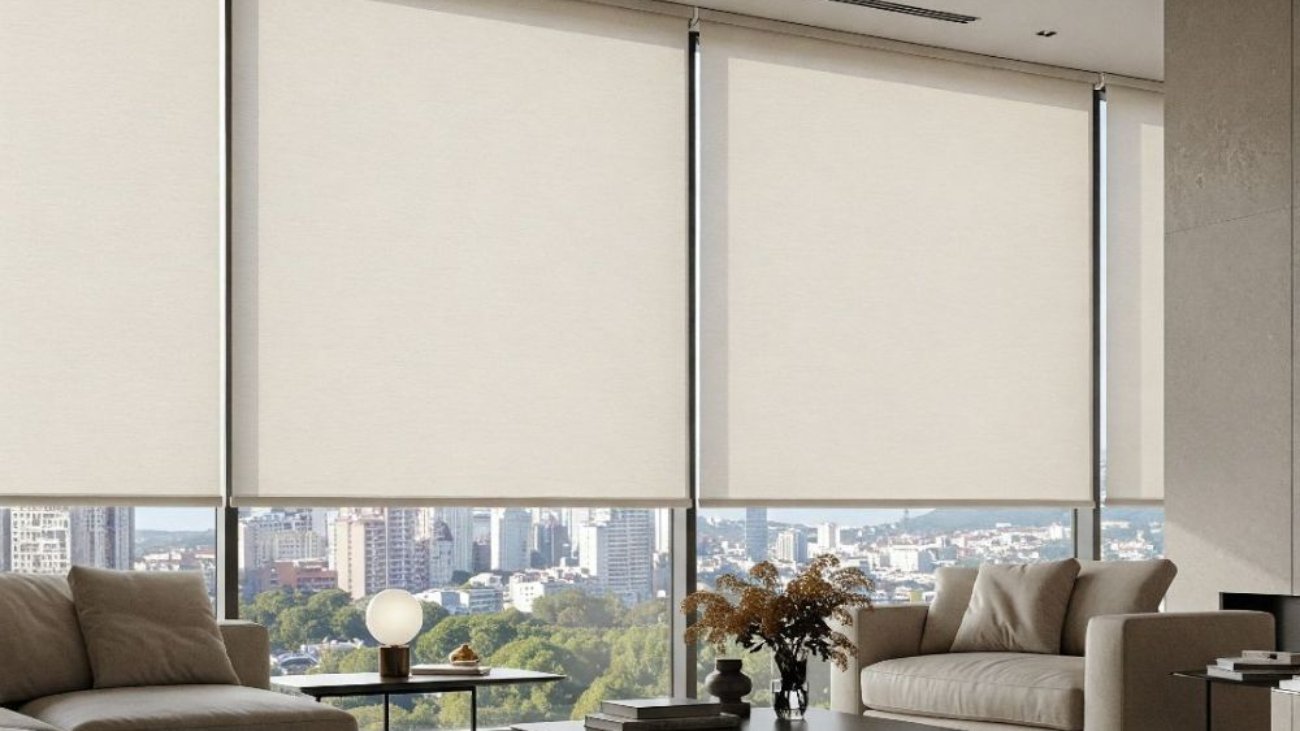
Roller shades are the gold standard of minimalist window treatments. Their single-fabric design rolls cleanly onto a compact tube, leaving an almost invisible profile when raised. They work beautifully in contemporary living rooms, bedrooms, and home offices.

You can choose between light-filtering fabrics that soften daylight without blocking it, or blackout materials for complete darkness. Either way, the result is a polished, uncluttered look that fits naturally into modern interior design.

Solar Shades

If you have large picture windows or floor-to-ceiling glass walls, solar shades are worth serious consideration. They reduce glare and block UV rays while preserving your view of the outdoors — something traditional blinds simply can’t do.

Solar shades are also one of the most energy-efficient window treatments available. By reflecting solar heat in summer and retaining warmth in winter, they can meaningfully reduce your utility costs over time.

Panel Track Blinds

Panel track blinds are particularly well-suited for wide windows and sliding glass doors. Instead of individual slats, they use large fabric panels that glide along a track system — creating a fluid, architectural look.

Their minimalist appearance and smooth operation make them a favorite among architects and interior designers working on contemporary spaces. They’re also highly customizable in terms of fabric, opacity, and panel width.

Motorized Window Treatments

Motorized shades represent the intersection of luxury window treatments and modern convenience. With a smartphone app, voice assistant, or programmed schedule, you can adjust your window coverings without touching them.

Beyond the obvious convenience, motorized treatments also look cleaner — there are no dangling cords to break the visual lines of a room. For minimalist interiors where every detail counts, that matters.

Sheer Window Shades

Sheer shades offer a soft alternative to harder, more structured options. They diffuse natural light beautifully, creating a warm and inviting glow without sacrificing privacy during daylight hours.

Their understated, elegant aesthetic makes them especially popular in living areas and dining rooms where ambiance is important. Paired with neutral hardware, they disappear into the architecture of a room.

Natural Woven Shades

For modern organic interiors — spaces that blend natural materials with clean design — woven shades made from bamboo, jute, or sea grass add subtle texture without clutter. They bring warmth and character to a room without compromising the minimalist framework.

Natural woven shades work particularly well in spaces with wood accents, stone surfaces, or earthy color palettes.

Choosing the Right Window Treatments for Different Rooms

Living Room

The living room needs to balance natural light with privacy. Roller shades in light-filtering fabrics or sheer shades work well here, letting in daylight during the day while providing coverage when needed. For a more dramatic look, motorized blackout shades can be layered behind sheer panels discreetly.

Bedroom

In the bedroom, comfort and light control come first. Blackout roller shades or motorized blackout options are ideal for blocking early morning light and supporting quality sleep. Mounting shades inside the window frame creates a clean, built-in look that suits modern bedrooms well.

Home Office

Glare on screens is a productivity killer. Solar shades are the smartest choice for home offices — they cut glare significantly while still maintaining a connection to the outside. This keeps your workspace functional and visually open.

Kitchen and Dining Areas

Kitchens and dining areas benefit from moisture-resistant, easy-clean materials. Faux wood roller shades or solar shades in durable performance fabrics handle humidity without warping or staining. Keep colors neutral to complement cabinetry without competing with it.

Design Tips for Maintaining a Minimalist Look

Getting the look right takes more than choosing the right shade. Keep these principles in mind:

  • Stick to neutral colors — Off-white, warm gray, or natural linen tones rarely go wrong.
  • Coordinate with your décor — Match or complement your window treatment hardware to door handles, faucets, or furniture legs.
  • Avoid over-layering — In truly minimalist spaces, a single well-chosen treatment usually outperforms layered combinations.
  • Prioritize function — Choose treatments based on what the room actually needs, then refine for aesthetics.
  • Invest in custom-fit solutions — Precisely measured, custom window treatments fit the architecture of your home far better than off-the-shelf options.

Common Mistakes to Avoid

Even experienced homeowners fall into these traps:

  • Choosing decorative over functional — Ornate treatments disrupt minimalist spaces immediately.
  • Ignoring room-specific needs — A bedroom and a kitchen have different functional demands.
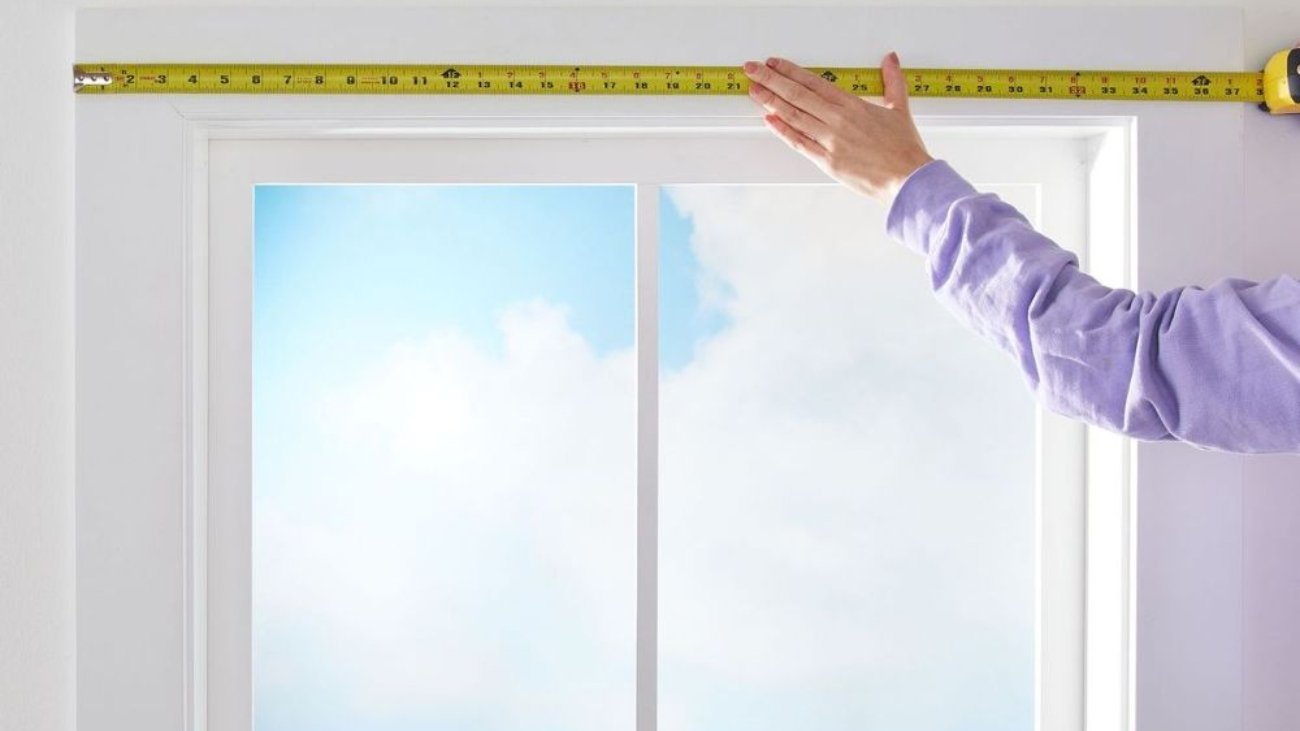
  • Getting measurements wrong — Even a small error throws off the look and performance of any treatment.
  • Underestimating light control needs — Consider sun direction, room use, and time of day before selecting fabrics.
  • Prioritizing price over quality — Budget materials fade, sag, and lose shape. Quality treatments last years longer and look better throughout.

Conclusion

Minimalist window treatments do far more than cover a window. They shape the way a room feels, manages light, and communicates design intent. When chosen thoughtfully, modern window treatments become a quiet but powerful part of your home’s overall aesthetic.

Whether you’re drawn to the clean simplicity of roller shades, the smart convenience of motorized systems, or the natural warmth of woven textures, there’s a minimalist solution for every space and lifestyle. The key is matching the right treatment to the right room — and committing to quality and fit.

Ready to find the perfect window treatments for your home? Explore custom minimalist solutions designed to complement your unique interior and get professional guidance on materials, sizing, and installation. Your windows deserve the same attention as every other element in your space.
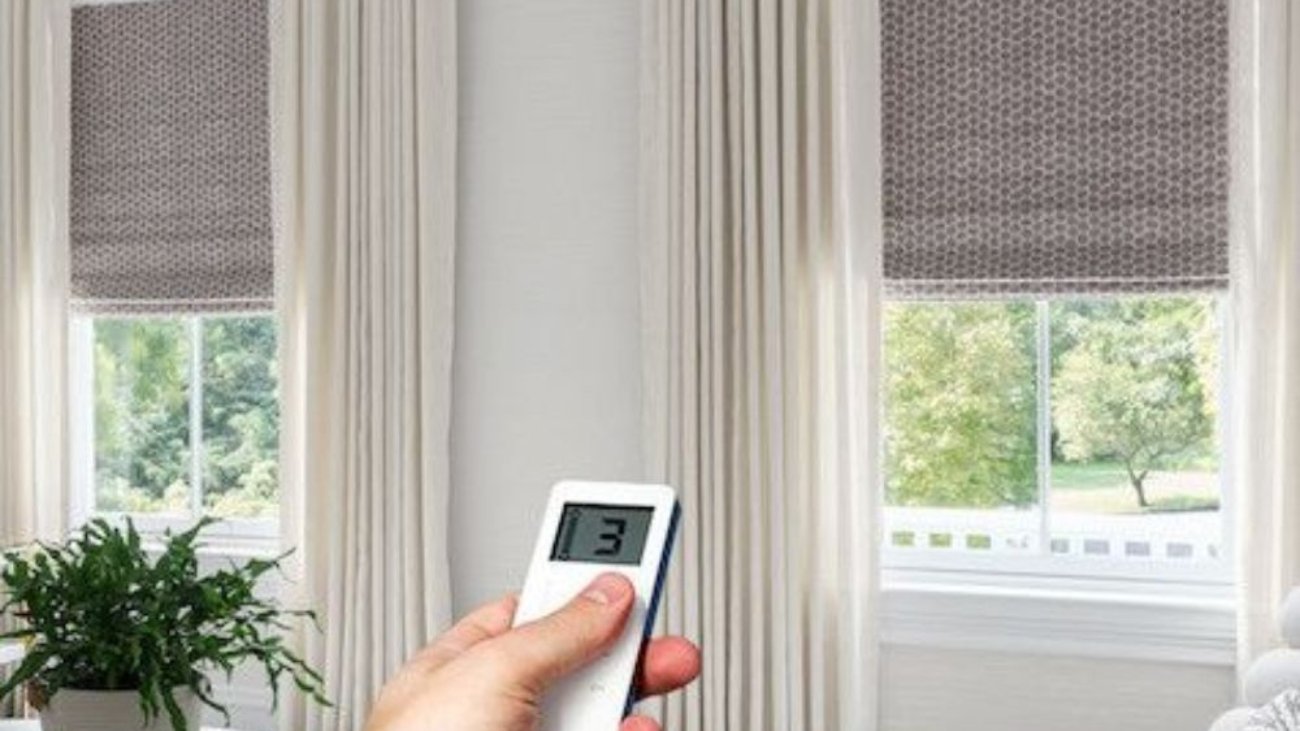
best-motorized-shades

Best Motorized Shades for Smart Homes in 2026

Smart homes have become the norm rather than the exception. From voice-controlled lighting to automated thermostats, homeowners are investing more than ever in technology that makes daily life easier. One upgrade quietly gaining serious momentum is motorized window treatments.

The best motorized shades for smart homes in 2026 do far more than block sunlight. They integrate with your entire home automation ecosystem, improve energy efficiency, enhance privacy, and eliminate the small daily frustrations that come with manual blinds and curtains. If you’re considering this upgrade, here’s everything you need to know.

What Are Motorized Shades?

Motorized shades are window coverings powered by an electric motor that raises, lowers, or tilts them automatically or on command. Unlike traditional blinds that require manual adjustment, motorized versions respond to remote controls, smartphone apps, voice commands, or pre-set schedules.

They’re available in a wide range of styles — roller shades, cellular shades, Roman shades, and more — and can be powered by batteries, hardwired electrical connections, or solar panels. The core difference from conventional window treatments is automation: your shades can move on their own without you ever touching them.

Why Homeowners Are Choosing Motorized Shades in 2026

The adoption of smart home automation has grown steadily, and motorized shades have become one of the most practical additions to any connected home. Here’s why:

  • Convenience: Control every shade in your home from one app or a single voice command.
  • Energy efficiency: Smart blinds can be programmed to block heat during peak afternoon hours, reducing cooling costs and working alongside your HVAC system.
  • Enhanced privacy: Adjust all shades simultaneously at sunset without walking room to room.
  • Child and pet safety: No cords to tangle or pose hazards, making motorized options significantly safer than corded alternatives.
  • Modern aesthetics: Clean lines, minimal hardware, and seamless integration with modern interiors.
  • Smart home integration: Automated window shades connect easily to platforms like Alexa, Google Home, and Apple HomeKit for unified control.

Key Features to Look for in Smart Motorized Shades

Not all motorized shades are created equal. Before buying, evaluate these features:

  • Voice control compatibility: Look for Alexa compatible shades or Google Home shades depending on your ecosystem.
  • Mobile app control: A well-designed app lets you control, schedule, and monitor shades remotely.
  • Scheduling and automation: Program shades to rise with the sun or close before bedtime automatically.
  • Battery life: Battery-powered shades should offer at least 6–12 months per charge under normal use.
  • Quiet motor operation: A quality motor runs nearly silently, which matters especially in bedrooms.
  • Light-filtering vs. blackout options: Choose based on the room’s purpose — light-filtering for living areas, blackout for bedrooms or media rooms.
  • Custom sizing: Well-fitted shades perform better and look more polished.
  • Smart home ecosystem compatibility: Make sure the shades work with your existing hub or platform before purchasing.

Best Motorized Shades for Smart Homes in 2026

Smart Roller Shades

Motorized roller shades are the most popular option for modern interiors. Their streamlined look, easy automation, and wide fabric selection make them versatile across living rooms, kitchens, and home offices. They pair well with smart home platforms and often come with robust app support and scheduling features.

Blackout Motorized Shades

Designed for bedrooms and media rooms, blackout motorized shades block nearly all incoming light. They’re ideal for shift workers, parents of young children, or anyone who wants complete darkness on demand. Pair them with a wake-up schedule, and they can gradually open in the morning to simulate a natural sunrise.

Solar Motorized Shades

Solar shades reduce glare and UV exposure while maintaining your view of the outdoors. They’re an excellent energy-saving tool, cutting heat gain through windows and protecting your furniture from sun damage. In 2026, solar-powered shade motors — which recharge using sunlight — have become increasingly practical, eliminating the need for wiring or frequent battery swaps.

Dual-Shade Systems

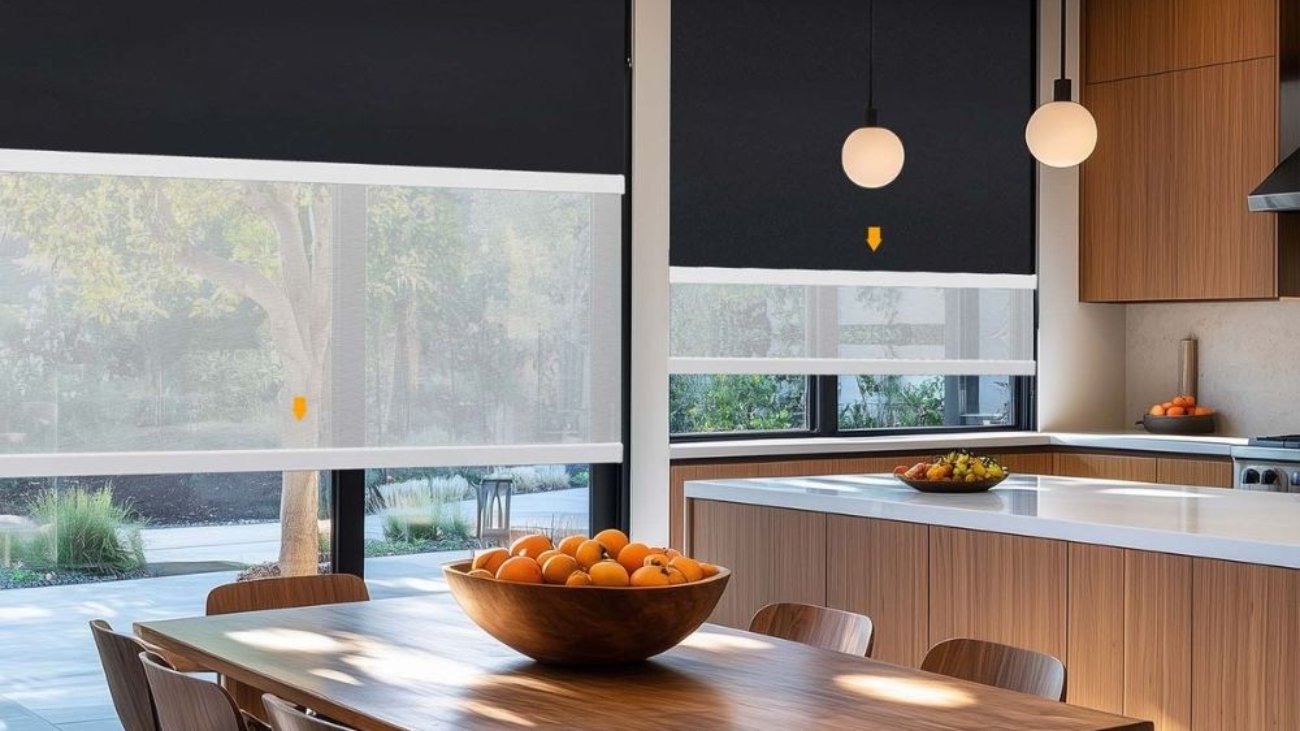
Dual-shade systems layer two fabrics — typically a sheer and a blackout — on a single headrail. This gives you flexible light management throughout the day: filter light during the afternoon, then switch to full privacy at night. They’re especially useful in bedrooms and living rooms where lighting needs shift significantly.

Custom Motorized Shades

For homeowners who want a tailored look and advanced functionality, custom motorized shades offer precise sizing, premium fabric choices, and sophisticated automation features. While they cost more upfront, the exact fit and elevated design quality make them a strong choice for high-visibility spaces and luxury smart home projects.

Motorized Shades and Smart Home Integration

Today’s remote control window shades are built for connectivity. Most major brands support popular platforms out of the box:

  • Amazon Alexa: Say “Alexa, close the bedroom shades” for hands-free control.
  • Google Home: Works through Google Assistant for voice and routine-based automation.
  • Apple HomeKit: Integrates with the Home app on iPhone, iPad, and Mac for secure, local control.
  • SmartThings: Samsung’s platform allows complex automations linking shades with lights, thermostats, and sensors.
  • Home automation hubs: Platforms like Home Assistant or Control4 offer advanced integrations for tech-savvy homeowners.

A practical example: program your shades to close automatically when your smart thermostat detects indoor temperatures rising above 76°F, reducing air conditioning load without any manual input.

Are Motorized Shades Worth the Investment?

Motorized shades typically cost more than manual ones — expect to pay $200 to $600 or more per window, depending on size, style, and brand. Custom options or hardwired systems will push costs higher.

That said, the long-term value is real. Energy savings from smart light control can offset part of the investment over time. Studies consistently show that window treatments contribute meaningfully to home insulation efficiency. Added home appeal and the convenience factor also matter — especially if you’re managing multiple rooms or a larger property.

For most homeowners, the combination of daily convenience, safety, energy benefits, and smart home compatibility makes motorized shades a worthwhile upgrade.

Installation Considerations

Installation varies depending on the power source and system complexity:

  • Battery-powered shades are the easiest to install — no wiring required, making them ideal for renters or DIYers.
  • Hardwired systems require an electrician but deliver continuous power and are preferred for whole-home setups.
  • Solar-powered shades sit in the middle — no wiring needed, but placement must allow adequate sunlight for charging.
  • Proper measuring is critical. Incorrect dimensions lead to light gaps, poor fit, and reduced performance.
  • Wi-Fi requirements: Most smart shades need a 2.4 GHz Wi-Fi network. Some use Zigbee or Z-Wave, which require a compatible hub.

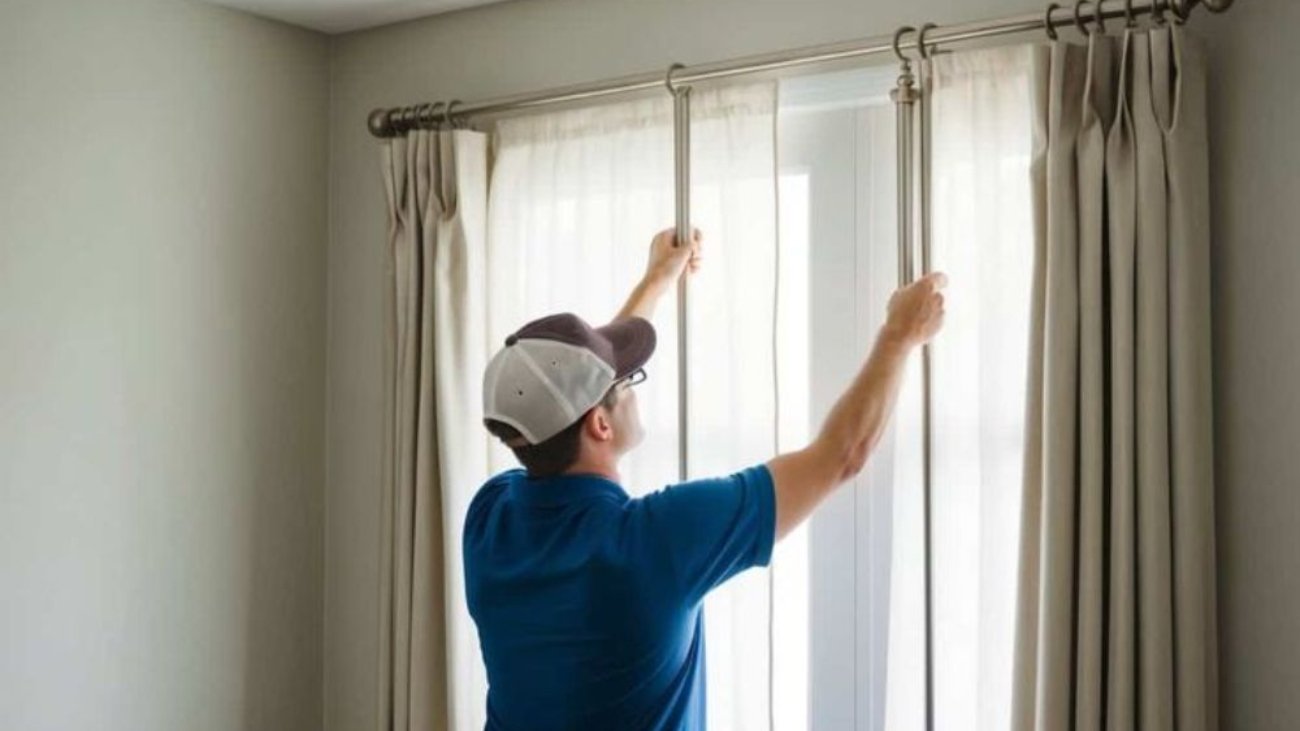
Professional installation is recommended for hardwired systems or large-scale projects. For simpler battery-powered setups, most homeowners can handle installation with basic tools.

Maintenance Tips for Long-Lasting Performance

Smart home window treatments require minimal but consistent maintenance:

  • Clean regularly: Dust fabric shades with a soft brush or vacuum attachment. Spot-clean stains promptly with mild soap and water.
  • Replace batteries proactively: Don’t wait for shades to stop working. Most systems alert you through the app when battery levels drop.
  • Update firmware: Check for software updates regularly to maintain compatibility with your smart home platform and fix bugs.
  • Troubleshoot early: If shades behave erratically, a simple factory reset or re-pairing with your hub usually resolves the issue.

With proper care, quality motorized shades can perform reliably for 10 years or more.

Frequently Asked Questions

How long do motorized shade batteries last?
Most battery-powered shades last 6 to 12 months on a single charge, depending on how frequently they’re used. Rechargeable lithium battery wands are common and easy to top up with a USB cable.

Can motorized shades work without Wi-Fi?
Yes. Most systems include a remote control for manual operation. Some also retain their pre-set schedules offline. However, app-based control and voice assistant features require an active internet connection.

Are smart shades compatible with Alexa and Google Home?
Most leading motorized shade brands offer compatibility with both Alexa and Google Home. Always verify compatibility with your specific platform before purchasing.

Do motorized shades reduce energy costs?
Yes. By blocking solar heat gain in summer and retaining warmth in winter, smart blinds can reduce heating and cooling costs. The exact savings depend on your climate, window size, and usage habits.

Are custom motorized shades worth the extra cost?
For unusually shaped windows, luxury spaces, or homeowners who want a seamless built-in look, custom shades are often worth the premium. Standard sizes work well for most applications, but custom options deliver better fit and finish.

Conclusion

The best motorized shades for smart homes in 2026 are more than a style upgrade — they’re a practical, connected solution that makes daily life simpler and your home more efficient. Whether you’re starting with a single room or automating an entire property, today’s smart home window treatments offer more options, better integration, and longer reliability than ever before.

Focus on compatibility with your existing smart home ecosystem, choose the right power source for your situation, and match the shade style to your room’s needs. Do that, and you’ll have an upgrade that pays for itself in convenience, comfort, and energy savings for years to come.

custom-blinds

Why Custom Blinds Are Worth the Investment

When homeowners see the price tag on custom blinds, the first reaction is often hesitation. Ready-made blinds from a big-box store are cheaper upfront — that much is true. But what happens six months later when the gaps, the sagging, and the fading become impossible to ignore?

Custom blinds solve the problems that store-bought options simply can’t. In this post, you’ll learn what sets custom window blinds apart, why they deliver better long-term value, and how to choose the right ones for your home. Whether you’re a homeowner, interior designer, or property investor, here’s what you need to know before making your next window treatment decision.

What Are Custom Blinds?

Custom blinds are window coverings built to your exact window dimensions, preferences, and functional needs. Unlike standard store-bought options that come in fixed sizes, made-to-measure blinds are manufactured after you order them — tailored to fit your specific windows precisely.

The process typically works like this: a professional takes precise measurements of each window, you select your material and style, and the blinds are manufactured to those exact specs. No trimming, no guessing, no awkward gaps on the sides.

This stands in sharp contrast to ready-made blinds, which are produced in bulk in a handful of standard sizes. Most homeowners end up bending the fit to the window rather than the other way around — and that compromise shows.

Key Benefits of Investing in Custom Blinds

Perfect Fit for Any Window

One of the most practical advantages of custom window coverings is the precise fit. Standard windows are rarely as standard as they seem. Older homes especially tend to have windows with slight variations in size or shape that make off-the-shelf blinds a frustrating match.

With custom blinds, every window gets a solution designed specifically for it — including arched windows, bay windows, skylights, and unusually wide or tall openings.

Superior Quality and Durability

Premium blinds are made with higher-grade materials than what you’ll find in a typical retail package. That means thicker slats, stronger brackets, better cords or motorized mechanisms, and fabrics that resist fading and warping over time.

Most quality custom window blinds last 10 to 20 years with proper care. Compare that to the two-to-five-year lifespan of many budget ready-made options, and the math starts looking different.

Enhanced Appearance and Home Aesthetics

Custom window coverings give your home a polished, finished look that’s hard to achieve any other way. When blinds fit perfectly and match your interior style — whether that’s modern, traditional, or somewhere in between — every room feels more intentional and cohesive.

Interior designers consistently recommend made-to-measure blinds for this reason. The difference in visual quality between a perfect fit and a close-enough fit is immediately noticeable.

Better Light Control and Privacy

With custom blinds, you have far more control over how much light enters a room and how much visibility you give to the outside world. You can choose from blackout materials for bedrooms, light-filtering options for living spaces, or transitional fabrics that offer privacy without blocking natural light entirely.

Because the blinds fit the window exactly, there are no gaps where light leaks in around the edges — a common issue with standard blinds.

Improved Energy Efficiency

Energy-efficient blinds can meaningfully reduce heating and cooling costs. Cellular shades, for example, trap air in their honeycomb-shaped pockets, adding a layer of insulation to your windows. A proper fit amplifies this benefit — any gap around a standard blind undermines its insulating value.

The U.S. Department of Energy has noted that window treatments can reduce heat gain in summer and heat loss in winter when properly fitted and selected. Custom blinds, because they seal the window area more completely, deliver that benefit more consistently.

Increased Home Value

New window treatments — especially high-quality, custom ones — are a selling point that buyers notice. They signal that a home has been maintained with care and attention to detail. For property investors and homeowners planning to sell, custom blinds for home use can contribute to a stronger asking price and faster sale.

Smart Home Integration Options

Many homeowners today are incorporating smart blinds into their setups. Motorized custom blinds can be connected to smart home systems like Google Home, Amazon Alexa, or Apple HomeKit — letting you control light and privacy with a voice command or scheduled automation.

This is particularly useful for hard-to-reach windows, large window installations, or anyone who values the convenience of automated routines. Custom blinds installation with motorization does cost more, but for the right home and lifestyle, it’s a genuinely useful upgrade.

Custom Blinds vs. Ready-Made Blinds

FeatureCustom BlindsReady-Made Blinds
FitExact to your window dimensionsFixed sizes, often imprecise
AppearanceTailored, polished, cohesiveGeneric, may look out of place
Material QualityPremium, long-lasting materialsStandard, variable quality
Longevity10–20 years2–5 years
CustomizationFull — style, color, material, functionVery limited
Energy EfficiencyHigh, especially with proper fitLower — gaps reduce insulation
CostHigher upfrontLower upfront
Overall ValueStronger long-term returnBetter for short-term or rental use


Are Custom Blinds Worth the Higher Price?

The honest answer: yes, for most homeowners.

The upfront investment is real. Depending on materials and the number of windows, custom blinds installation can cost significantly more than a cart full of ready-made options. But the calculation changes when you factor in longevity.

If you replace cheap blinds every few years, those costs add up quickly — plus the hassle of measuring wrong, returning products, and living with imperfect results in the meantime. A set of well-made custom window blinds, installed correctly, can last the better part of two decades without needing replacement.

There’s also a daily comfort factor. Coming home to blinds that actually work the way you want them to — that block the right amount of light, that look sharp, that raise and lower smoothly — is a small but consistent quality-of-life improvement.

How to Choose the Right Custom Blinds

Before ordering, consider:

  • Room requirements: Bedrooms need blackout or high-privacy options. Living rooms often benefit from light-filtering materials. Kitchens need moisture-resistant choices.
  • Material selection: Wood and faux wood are popular for traditional looks. Aluminum works well for modern, minimalist spaces. Fabric options offer softness and warmth.
  • Style preferences: Venetian, roller, Roman, and cellular are all available in custom sizes. Match the style to how the room is used and how you want it to feel.
  • Light control needs: Think about how much natural light you want at different times of day — and whether glare, UV protection, or privacy is your primary concern.
  • Budget: Set a realistic budget per window, then prioritize rooms where the upgrade will matter most.

Common Mistakes to Avoid

  • Incorrect measurements: Even a small error throws off the fit entirely. Hire a professional measurer or double-check every dimension before ordering.
  • Choosing style over functionality: A beautiful blind that doesn’t suit the room’s light or privacy needs will frustrate you daily.
  • Ignoring energy-efficiency features: Not all blinds insulate equally. Ask specifically about energy-efficient blinds options when selecting materials.
  • Hiring inexperienced installers: Poor installation undermines even the best blinds. Use a certified installer or a reputable company with verified reviews.

Frequently Asked Questions

How long do custom blinds last?
With proper care, most custom blinds last between 10 and 20 years. High-quality materials and professional installation both extend the lifespan significantly.

Are custom blinds more energy efficient?
Yes. Because they fit windows precisely — with no gaps — energy-efficient blinds in custom sizes provide better insulation than standard alternatives. Cellular shades offer the highest insulating value.

Can custom blinds increase home value?
They can. Quality window treatments signal well-maintained, thoughtfully designed spaces to potential buyers, which can support a higher asking price and faster sale.

Are motorized custom blinds worth it?
For large windows, high installations, or smart home setups, yes. Smart blinds add convenience and a modern feel. The higher cost makes the most sense when convenience and integration are priorities.

How much do custom blinds typically cost?
Costs vary widely based on material, size, and features. Basic custom blinds may start around $100–$200 per window, while premium or motorized options can run $300–$600 or more. Professional installation adds to the total but is usually worth it.

Conclusion

Custom blinds aren’t just a style upgrade — they’re a practical investment that pays off in comfort, energy savings, durability, and home value. The upfront cost is higher, but compared to repeatedly replacing low-quality ready-made options, the long-term math favors going custom.

If you’re ready to stop compromising on fit, light control, and appearance, custom window blinds are the right move. Start by identifying your highest-priority rooms, get professional measurements, and choose materials that match both your style and your functional needs. The results will speak for themselves.

custom-window-treatments

The Complete Guide to Custom Window Treatments for Every Room in Your Home

Walk into any beautifully designed home, and one detail almost always stands out: the windows. Not just the views they frame, but how they’re dressed. The right window covering can transform a room from functional to extraordinary — controlling light, adding warmth, and pulling an entire design together. Yet most homeowners treat windows as an afterthought.

Custom window treatments change that. Unlike off-the-shelf options that almost fit, custom solutions are built to your exact specifications, your room’s unique needs, and your personal style. In this guide, you’ll learn which treatments work best in each room, how to avoid costly mistakes, and what to look for when making your selection.

Key takeaways:

  • Room function should drive your window treatment choice
  • Custom sizing eliminates the compromises that come with standard sizing
  • Layering treatments gives you maximum control over light and privacy
  • The right materials extend both the lifespan and performance of your window coverings

Why Custom Window Treatments Are Worth the Investment

Off-the-shelf blinds are tempting. They’re inexpensive and immediately available. But they rarely fit perfectly, and poor fit affects everything — light gaps, uneven coverage, and a finished look that always falls slightly short.

Custom window treatments are built to your exact window dimensions. That precision matters more than most people realize. Here’s what you gain:

  • Perfect fit: No light leaks at the edges, no bunching at the bottom
  • Better light control: Custom sizing means the treatment covers the full window opening
  • Improved energy efficiency: Properly fitted energy-efficient window coverings reduce heat transfer significantly
  • Design cohesion: You choose the fabric, color, hardware, and style to match your existing interiors
  • Long-term value: Quality materials and construction last years longer than budget alternatives

The upfront cost is higher, but the performance, aesthetics, and durability justify the investment — especially for high-traffic rooms or premium spaces.

Best Custom Window Treatments for the Living Room

The living room demands versatility. You might want soft, filtered morning light for a weekend coffee but near-full darkness for an afternoon movie. No single off-the-shelf solution handles both well.

Layered Drapery and Shades

The most effective living room approach is layering. Pair a light-filtering shade with floor-to-ceiling custom drapery panels. The shades diffuse harsh sunlight during the day while the drapes add warmth, texture, and the option for full coverage in the evening.

Motorized Shades

Motorized shades are increasingly popular in living spaces — and for good reason. They let you adjust light with a remote or voice command without disturbing the room’s flow. For large windows or high installations, motorized options eliminate the awkward reach and maintain clean aesthetics.

Design Considerations

  • Choose fabrics that complement your furniture upholstery and wall color
  • For rooms with southern or western exposure, consider solar shades that reduce glare without blocking the view
  • Mount drapery panels close to the ceiling to make ceilings appear taller

Ideal Window Treatments for Bedrooms

Sleep quality is directly tied to light control. In bedrooms, the priority shifts almost entirely toward darkness and privacy — and that’s where custom shades earn their keep.

Blackout Shades and Privacy Solutions

A well-fitted blackout shade, installed inside the window frame with minimal side gaps, blocks virtually all light. Pair it with custom drapery for both aesthetic appeal and an added layer of noise reduction — fabric panels absorb sound, which matters if your bedroom faces a street or neighbor.

Layering Techniques for Bedrooms

Consider a cellular blackout shade behind a sheer panel. During the day, the sheer gives you privacy without full darkness. At night, the blackout shade does the heavy lifting. This combination gives you full control without sacrificing style.

Smart Window Treatment Choices for Kitchens

Kitchens present a specific challenge: you need light, practicality, and easy cleaning — all at once. Heavy drapery and delicate fabrics have no place here.

Best Materials for Kitchen Window Coverings

  • Faux wood blinds: They mimic the warmth of real wood but resist moisture and warping
  • Roller shades in vinyl or coated fabric: Wipe-clean surfaces stand up to grease and steam
  • Woven wood shades: A natural texture option that works well in kitchens with limited humidity

Keep treatments simple and streamlined. Roman shades in a washable fabric are another practical choice that adds a soft touch without demanding much maintenance.

Bathroom Window Treatment Solutions

Privacy is non-negotiable in bathrooms. But bathrooms also present the toughest material challenge — high humidity and frequent temperature swings can warp, mold, or fade the wrong window covering quickly.

Best Options for Bathrooms

  • Faux wood or composite blinds: Won’t warp or crack in humid conditions
  • Moisture-resistant roller shades: Purpose-made for wet environments
  • Frosted window film with a simple valance: A minimal approach that prioritizes privacy without covering the full window

For light management, top-down/bottom-up shades are worth considering. They let natural light in from the top while keeping the lower portion completely private — a practical, elegant custom window solution for any bathroom layout.

Home Office and Nursery Window Treatments

These two rooms sit at opposite ends of the spectrum in terms of use, but they share one common requirement: precise light control.

Home Office

Glare is the enemy of productivity. A well-placed monitor becomes nearly unusable against direct sunlight. Solar shades are ideal here — they reduce glare and UV exposure without fully blocking the view or making the room feel closed in. For video calls, the ability to quickly adjust light levels matters, making motorized shades a smart upgrade.

Nursery

Child safety is paramount. Avoid corded blinds entirely — they pose a strangulation risk for young children. Cordless custom shades or motorized options eliminate that risk while still delivering the blackout performance a nursery needs for daytime naps. Look for GREENGUARD-certified fabrics that meet low-emission standards for indoor air quality.

Choosing Between Blinds, Shades, and Drapery

Each category has real strengths, and the best choice depends on your room and priorities.

TypeBest ForWatch Out For
Custom blindsPrecision light control, easy cleaningLess insulating than fabric options
Custom shadesClean look, variety of opacitiesLimited design versatility vs. drapery
Custom draperyAesthetics, noise reduction, layeringRequires more maintenance, higher cost

Use blinds or shades as your primary light-control layer. Add drapery when you want warmth, texture, or dramatic design impact. Layering gives you the best of both.

Common Mistakes to Avoid When Ordering Custom Window Treatments

Even with a generous budget, these errors can undermine the result:

  • Measuring incorrectly: Always measure width and height at three points — top, middle, and bottom. Windows are rarely perfectly square.
  • Ignoring room function: A beautiful linen shade is the wrong choice for a steamy bathroom or a nursery that needs blackout coverage.
  • Choosing style over functionality: A silk drape looks stunning but won’t serve a kitchen window well.
  • Overlooking maintenance: Ask how each treatment is cleaned before you order. Some fabrics require professional cleaning; others wipe down in seconds.
  • Skipping the hardware: Mounting hardware should match both the treatment weight and your wall material. Undersized brackets cause sagging and premature wear.

Conclusion

Choosing the right custom window treatments is one of the highest-impact decisions you can make in a home. Done well, your window coverings improve how a room feels, functions, and looks — every single day. The key is letting each room’s purpose guide your selection. Prioritize blackout performance in bedrooms, moisture resistance in kitchens and bathrooms, glare reduction in offices, and versatility in living spaces.

Start with one room, get the fit and function right, and let that success guide the rest of your home. Custom window solutions aren’t a luxury reserved for designers — they’re a practical, lasting upgrade any homeowner can make with the right knowledge.

Frequently Asked Questions

Are custom window treatments worth the cost?
Yes, for most homeowners. Custom window treatments are built to your exact window dimensions, which eliminates light gaps, poor coverage, and the compromised look that comes with standard sizing. They also last significantly longer than budget alternatives, making the cost-per-year lower than it first appears.

What are the best custom window treatments for privacy?
Top-down/bottom-up shades offer excellent privacy without sacrificing natural light. For bedrooms, fitted blackout shades with minimal side gaps provide near-total privacy. Layering sheer panels with opaque shades or drapery gives you adjustable privacy throughout the day.

Which window treatments are easiest to maintain?
Faux wood blinds and vinyl or coated roller shades wipe clean with a damp cloth, making them the lowest-maintenance options. Avoid delicate fabrics in high-use or high-humidity rooms. Motorized shades also reduce wear since they’re operated without physical handling of the fabric.

Do custom window treatments improve energy efficiency?
Yes. Properly fitted energy-efficient window coverings — particularly cellular (honeycomb) shades — create an insulating air pocket that reduces heat loss in winter and heat gain in summer. The key is fit: even the best insulating shade performs poorly if light and air escape around the edges.

How do I choose the right window treatment for each room?
Start with function, not style. Ask: What does this room need most — privacy, blackout, glare reduction, moisture resistance, or easy cleaning? Once you’ve identified the functional requirements, narrow your style choices within those parameters. Room-specific window treatments that solve real problems will always outperform purely decorative choices.

layered-window-treatments

Layered Window Treatments: The Luxury Design Trend of 2026

Walk into any high-end home featured in an architectural magazine this year, and you’ll notice something striking about the windows. They’re no longer just covered — they’re composed. Layered window treatments have moved from a designer’s secret weapon to the defining luxury trend of 2026, and for very good reason.

This isn’t just about aesthetics. Homeowners today want windows that perform: controlling light at different times of day, maintaining privacy without sacrificing views, and reducing energy costs. When done well, layered window treatments deliver all of that — beautifully.

What Are Layered Window Treatments?

Layered window treatments combine two or more window coverings on a single window to create a design that’s both functional and visually rich. Think of it as dressing a window the way you’d dress for a formal event — each layer adds purpose and polish.

Common combinations include:

  • Sheer curtains + blackout drapes — The sheer softens daylight and provides daytime privacy; the blackout panel blocks light completely when needed.
  • Roman shades + curtain panels — The shade handles light control and insulation while the panels frame the window with texture and height.
  • Motorized roller shades + decorative drapery — The shade does the functional heavy lifting; the drapery delivers the luxury statement.

Each pairing solves a practical problem while elevating the room’s overall design language.

Why Layered Window Treatments Are Dominating Luxury Interiors in 2026

Several forces are driving this trend. Together, they explain why layered window coverings have gone from optional to essential in luxury residential design.

Enhanced Light Control

A single curtain gives you one option: open or closed. Layering gives you a full spectrum. You can flood a room with diffused morning light through a sheer, then transition to a warm ambient glow by partially lowering a shade, and finally achieve complete darkness with a blackout panel at night. That kind of precision matters in spaces like home theaters, primary bedrooms, and reading rooms.

Privacy Without Compromise

Modern homeowners want to live openly without feeling exposed. Layered treatments let you maintain visual privacy from the street while still enjoying natural light — something a single opaque curtain simply can’t offer.

Energy Efficiency

Cellular shades paired with heavy drapes can reduce heat loss through windows by up to 40%, according to the U.S. Department of Energy. In luxury homes with floor-to-ceiling glass walls — a dominant architectural feature in 2026 — this combination is as practical as it is beautiful.

Visual Depth and Sophistication

Layering creates dimension. It draws the eye upward, makes ceilings feel taller, and frames outdoor views like artwork. A bare window, by comparison, feels unfinished in a high-end interior.

Customization Opportunities

Custom window treatments allow homeowners to match fabrics, colors, and textures to their specific architecture and personal style. No two layered installations need to look alike, which is precisely what luxury buyers want.

Most Popular Layered Window Treatment Combinations

Interior designers are consistently recommending these pairings in 2026:

  • Sheer curtains with velvet drapes — A timeless combination that adds warmth and contrast. The sheer filters light gently; the velvet anchors the room with richness.
  • Roman shades with linen panels — Clean, relaxed, and perfect for transitional or organic modern interiors. Linen panels add softness without visual weight.
  • Motorized roller shades with luxury drapery — The go-to choice for smart homes. The shade handles automation; the drapery ensures the window looks intentional and tailored.
  • Bamboo shades with flowing curtains — Ideal for coastal, biophilic, or California-casual interiors. Natural texture meets breezy elegance.

Design Tips from Interior Experts

Choose Fabrics Thoughtfully

The relationship between your layers matters. Pair heavier fabrics with lighter ones to maintain balance. A heavy linen shade works well beneath a lightweight voile panel. Avoid doubling up on stiff or dense fabrics — the result looks bulky rather than layered.

Coordinate Colors with Intention

You don’t need to match exactly. Instead, work within a tonal palette. A soft white sheer beneath warm taupe drapes creates cohesion without monotony. If your drapery features a pattern, keep the secondary layer solid.

Match Your Architectural Style

Modern minimalist homes call for clean-lined roller shades with simple panel curtains. Traditional or classic interiors can support more ornate combinations like Roman shades with silk taffeta panels and decorative tiebacks. The layering should feel like it belongs — not like it was added as an afterthought.

Select Hardware That Speaks to the Room

Double rods are essential for true layering. Choose finishes — brushed brass, matte black, polished nickel — that align with your fixtures and hardware throughout the space. The rod isn’t just functional; it’s part of the design.

Balance Beauty and Function

Ask yourself what the room needs first. A home office needs glare control and flexibility. A dining room prioritizes atmosphere. Let function lead the design decision, then build the aesthetic around it.

Smart Technology and Layered Window Treatments

Smart window treatments are no longer a novelty. In 2026, motorized shades and automated drapery systems are standard features in luxury new builds and high-end renovations.

Motorized systems integrate seamlessly with platforms like Google Home, Apple HomeKit, and Amazon Alexa. You can schedule shades to rise with the sun, lower them during peak afternoon heat, and close drapes at sunset — all automatically.

The energy-saving benefits are measurable. Automated shades that respond to temperature and daylight sensors help maintain consistent indoor temperatures, reducing HVAC load. For homeowners in climate-sensitive regions, the payback period can be surprisingly short.

Voice control adds another layer of convenience. “Hey Siri, close the bedroom drapes” is a real command that real homeowners are using daily. When combined with smart lighting, the effect is a fully orchestrated living environment.

Common Mistakes to Avoid

Even experienced designers make these errors:

  • Over-layering — Three or more layers rarely improve a design. Two well-chosen layers almost always outperform a cluttered arrangement.
  • Poor fabric choices — Fabrics that don’t relate to each other in weight, texture, or color will fight for attention rather than work together.
  • Ignoring room function — A heavy blackout layer in a sun-filled breakfast nook works against the room’s purpose.
  • Incorrect measurements — Layers need precise clearances to operate without catching or bunching. Always measure twice, install once.

Are Layered Window Treatments Worth the Investment?

For most homeowners, yes — decisively so.

Custom window treatments increase a home’s perceived value and buyer appeal. Real estate agents consistently note that well-designed window treatments photograph beautifully, helping listings stand out. In the luxury market, these details close deals.

Long-term durability is also a factor. Quality custom drapery, when properly maintained, lasts 10–15 years. That’s a cost-per-year figure that competes favorably with cheaper, off-the-shelf alternatives that fade, warp, or lose their shape within a few years.

Perhaps most importantly, layered treatments improve daily quality of life. Better sleep, lower energy bills, and a more beautiful home aren’t abstract benefits — they’re felt every day.

Conclusion

Layered window treatments represent the intersection of design intelligence and practical living. They give you control over light, privacy, and energy use while transforming ordinary windows into architectural focal points. In 2026, they’re not just a trend — they’re the standard for anyone who takes their interior seriously.

If your windows are still wearing just a single panel, it’s time for an upgrade. Work with a designer who specializes in custom window treatments to find the right combination for your home’s architecture, lifestyle, and budget.

Ready to elevate your home? Start by assessing one room — your bedroom, living room, or home office — and explore what layering could do for that space. The results tend to be transformative.

Frequently Asked Questions

  1. What is the best layered window treatment combination for a bedroom?
    For most bedrooms, a sheer curtain paired with a blackout panel or blackout drape is the ideal combination. The sheer allows soft, diffused light during the day while the blackout layer ensures complete darkness for sleep.
  2. How much do custom layered window treatments typically cost?
    Costs vary widely depending on fabric, size, and customization level. Budget between $300 and $1,500 per window for professionally installed custom treatments. Motorized systems will add to that cost but often include energy savings that offset the investment over time.
  3. Can layered window treatments work in small rooms?
    Absolutely. The key is choosing lightweight fabrics and keeping the color palette light and cohesive. Mounting treatments high and wide — close to the ceiling and beyond the window frame — makes the room feel larger, not smaller.
  4. How do motorized shades integrate with layered window treatments?
    Motorized roller or cellular shades are installed on a separate track closer to the window, while decorative drapery hangs on a standard or double rod in front. The motor handles functional light control, and the drapery provides the design layer. Both can operate independently or together through a smart home system.
  5. Do layered window treatments require professional installation?
    For single panels, DIY is manageable. For layered systems — especially those involving double rods, motorized components, or ceiling-height drapery — professional installation is strongly recommended. Precision in mounting and alignment makes a significant difference in how the final product looks and performs.