
blinds-for-large-windows

Top Blinds for Large Windows and Sliding Glass Doors

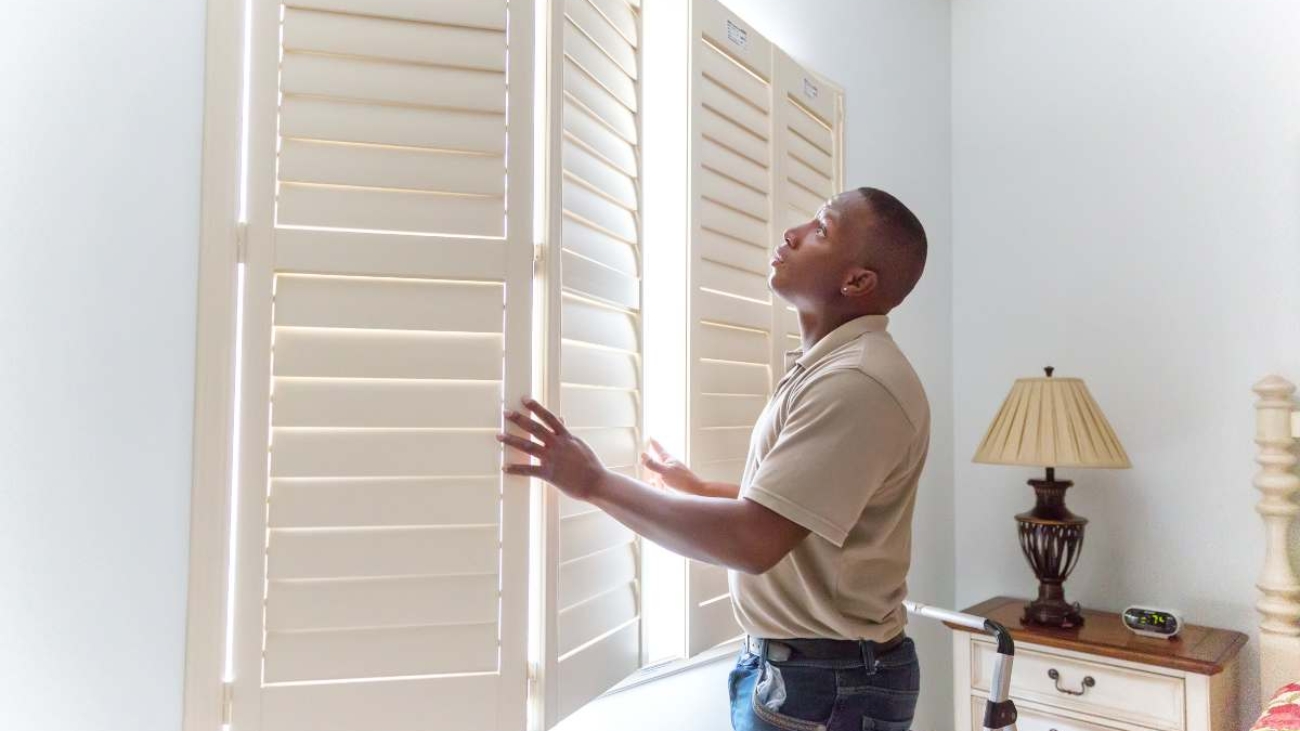
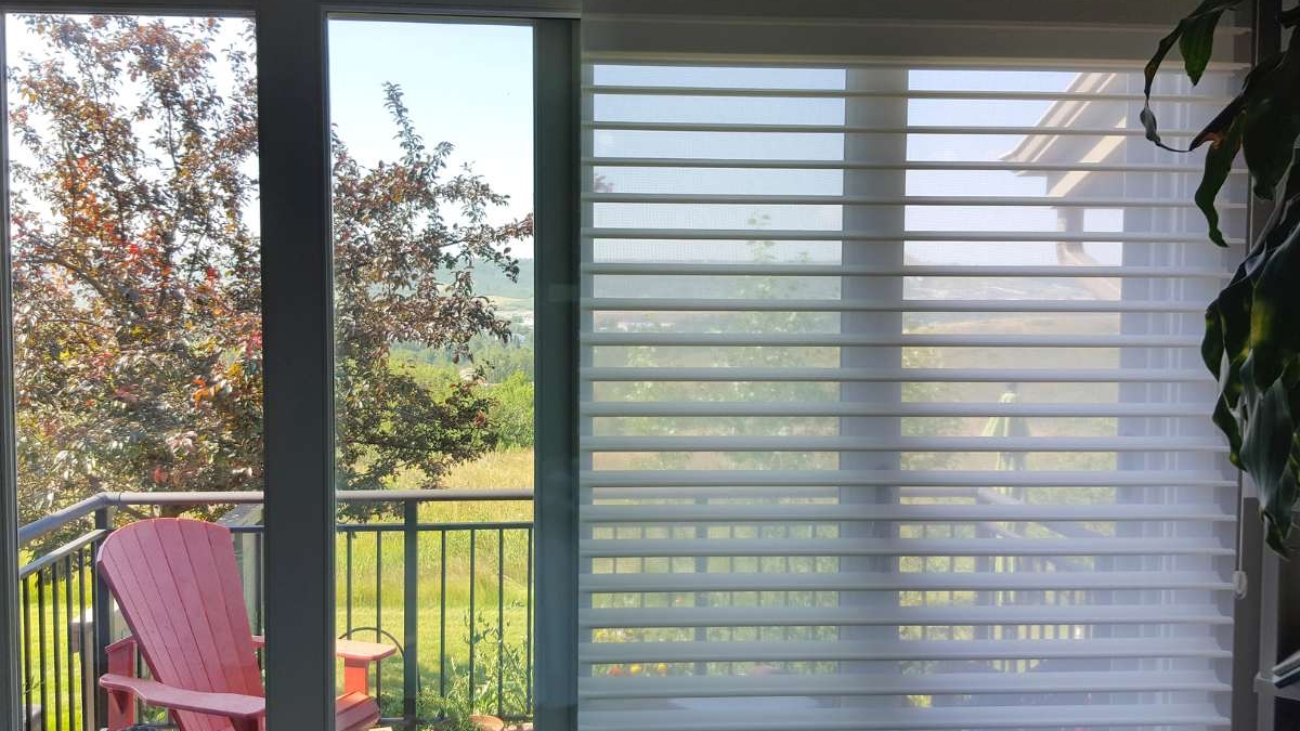
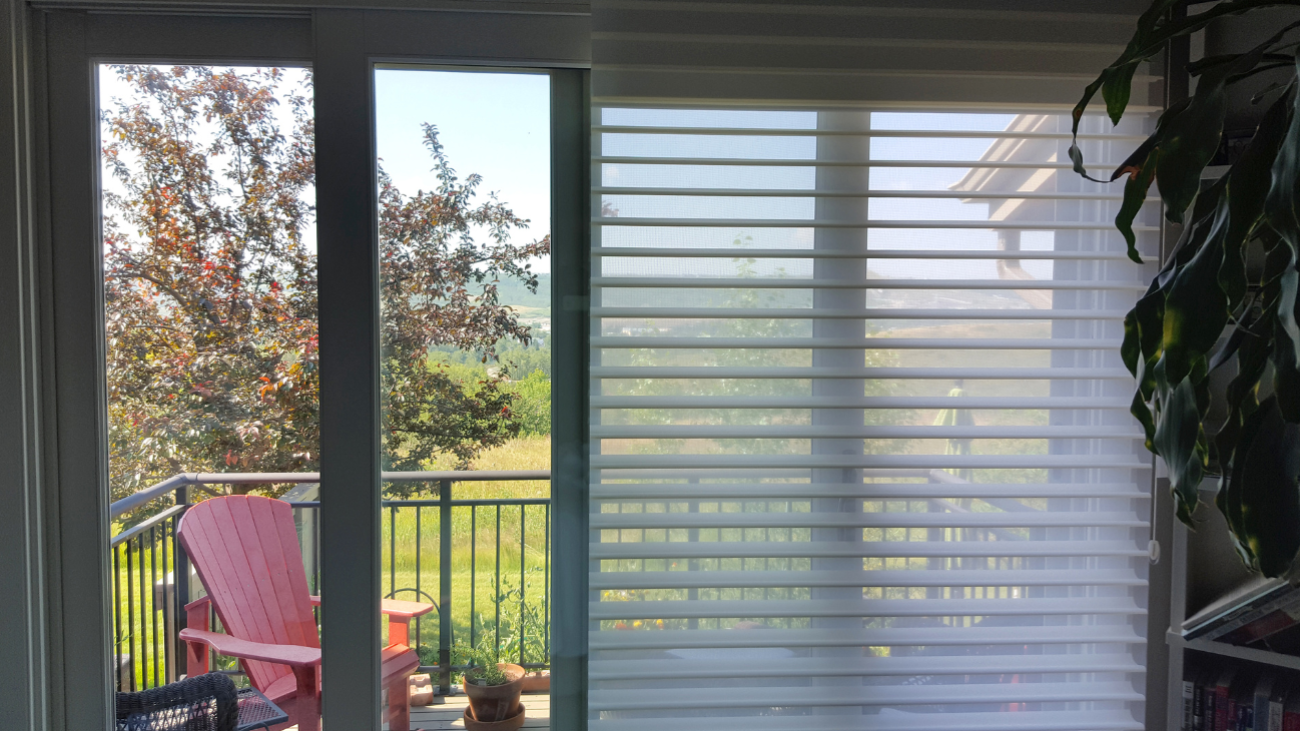
Expansive glass features bring incredible natural light and stunning views into your home. Finding the right blinds for large windows and sliding glass doors requires balancing aesthetics with practical functionality. Oversized spaces demand window treatments that handle extra weight, provide adequate privacy, and withstand intense sun exposure without breaking a sweat.

Challenges of Large Windows

Oversized windows present a few unique hurdles. First, massive panes of glass allow significant heat transfer. Without proper insulation, your home loses warmth in the winter and bakes in the summer. Second, privacy becomes a major concern. Wide open spaces leave your living areas exposed to neighbors and the street. Finally, the sheer weight of wide window coverings makes manual operation difficult. Pulling up a 100-inch wide wooden blind requires serious physical effort and strains the operating cords over time.

Key Features to Consider

When shopping for blinds for large windows, you must evaluate three main functional aspects to ensure long-term satisfaction.

Coverage

Light gaps easily ruin the ambiance of a room. Standard blinds often fall short on massive frames. You need window treatments designed specifically to span wide areas, preventing awkward seams and ensuring complete privacy.

Ease of Operation

Heavy materials drag on standard lift mechanisms. Continuous cord loops, wand controls, or automated systems provide much smoother operation for oversized installations.

Material Durability

Large glass panes magnify UV rays. You need fade-resistant, warp-proof materials. Faux wood, solar screen fabrics, and aluminum hold up much better to intense, prolonged sunlight than natural fabrics or cheap plastics.

Expert Tip: “Always prioritize weight when covering spaces wider than 84 inches. Heavy materials will quickly burn out manual clutch systems, making lighter materials like solar shades or automated systems a smarter long-term investment.” – Sarah Jenkins, Interior Window Specialist

Best Blinds for Large Windows

Choosing the right style makes all the difference in functionality and visual appeal. Here are the top performers for oversized spaces.

Vertical Blinds

Vertical blinds remain a staple for a reason. Their vertical orientation means they collect less dust than horizontal slats, and they glide easily across wide expanses. Modern vertical blinds come in premium fabrics and textured vinyl, offering a massive upgrade from the clunky plastic versions of the past.

Panel Track Blinds

Panel track blinds offer a sleek, contemporary alternative to traditional vertical blinds. Large fabric panels slide smoothly along a track system, stacking neatly when opened. They double perfectly as room dividers and come in varying opacities, from sheer to blackout.

Motorized Blinds

Motorization eliminates the weight issue entirely. A quiet motor does the heavy lifting, ensuring smooth operation and extending the lifespan of the blind. [Read our complete guide to window treatment motorization] to see how this technology integrates into modern homes.

Roller Blinds

Roller blinds provide a clean, minimalist look. When raised, they disappear into the headrail, preserving your expansive view. For extra-wide windows, you can link multiple roller blinds to a single continuous fascia, allowing them to operate independently while looking like a unified system.

Best Options for Sliding Glass Doors

Sliding glass doors require window treatments that match their horizontal movement. Blocking the handle or walkway creates daily frustration. Vertical blinds and panel track blinds naturally suit sliding doors because they push to the side, maintaining clear access to the doorway.

Cellular shades with a vertical orientation also work brilliantly. They compress tightly to the side and provide exceptional insulation against the cold or heat radiating from the glass.

Smart & Motorized Solutions

Connecting your blinds to a smart home ecosystem transforms how you manage natural light. Smart blinds adjust automatically based on the time of day, indoor temperature, or even the position of the sun. You can control your heavy shades with a simple voice command to your smart speaker or a tap on your smartphone. This hands-free approach adds luxury while protecting your floors and furniture from UV damage when you are away from home.

Expert Tip: If you live in a hot climate, set your smart blinds to lower automatically during peak afternoon sun to significantly reduce your air conditioning costs.

Design & Styling Tips

Scale matters when dressing massive windows. Avoid busy, small patterns that can overwhelm the room. Solid colors, subtle textures, and wide slats (like 2.5-inch or 3-inch louvers) match the grand proportions of the space.

Mount your blinds outside the window frame and slightly higher than the glass. This outside mount technique makes the ceiling feel taller and ensures the stacked blinds clear the window entirely, maximizing your view. [Check out our interior design color matching guide] for advice on selecting the perfect shade for your living room.

FAQs

What are the lightest blinds for large windows?
Honeycomb (cellular) shades and roller shades made from sheer or light-filtering fabrics are the lightest options, making them easy to operate even on massive windows.

Can you put horizontal blinds on a sliding glass door?
While possible, it is not recommended. Raising heavy horizontal blinds every time you want to walk through the door is tedious and puts immense strain on the lift cords.

How wide can a single blind be?
Most standard manufacturers cap single blind widths at around 96 to 120 inches, depending on the material. Beyond that, you will likely need to install multiple blinds on a single headrail.

How to Clean Blinds

How to Clean Blinds and Maintain Your Window Properly

Window treatments easily collect dust, pet dander, and everyday grime. Without proper care, this buildup damages the materials and ruins the look of your home. Figuring out how to clean blinds correctly saves you money and keeps your living space fresh. This guide walks you through the best methods for every type of blind, ensuring you get the job done right.

Why Regular Cleaning is Important

Dusting your window coverings might feel like a chore, but it offers serious benefits. First, it instantly improves your indoor air quality. Dust and allergens settle heavily on horizontal surfaces. When you open or close dirty slats, those particles fly right back into the air you breathe.

Consistent upkeep also extends the life of your window treatments. Dirt mixed with humidity creates a sticky film that can permanently stain fabrics and warp wood. By maintaining a simple cleaning schedule, you protect your investment and keep your home looking spotless.

Tools & Supplies Needed

You do not need harsh chemicals to get great results. Gather these basic supplies before you begin:

  • Microfiber cloths (grabs dust without scratching)
  • Vacuum cleaner with a soft brush attachment
  • Mild dish soap
  • Warm water
  • A clean sponge
  • An old pair of cotton socks (great for sliding over your hand to wipe slats)
  • Baking soda (for stubborn stains)

Cleaning Methods by Blind Type

Different materials require specific care. Using the wrong technique can permanently damage the finish. Here is how to clean blinds based on their specific material.

Wooden Blinds

Wood warps and cracks when exposed to excess moisture. For these, rely mostly on dry cleaning. Close the slats completely. Wipe them down with a microfiber cloth or an old cotton sock placed over your hand. Start from the top and work your way down. If you encounter sticky spots, lightly dampen a cloth with plain water, wipe the spot, and dry it immediately with a fresh towel.

Fabric Blinds

Fabric materials trap dust easily. The best approach here is gentle vacuuming. Attach the soft brush tool to your vacuum and run it over the fabric on a low suction setting. If you spot a stain, mix warm water with a single drop of mild dish soap. Dab the stain gently with a damp sponge. Do not rub, as this pushes the dirt deeper into the fabric fibers.

Aluminum Blinds

Aluminum can handle more moisture than wood or fabric. For routine care, dust them just like you would wooden slats. If they feel greasy—especially in the kitchen—you can wash them. Mix warm water and a little dish soap in a bowl. Dip a sponge into the soapy water, squeeze out the excess, and wipe each slat. Wipe them down afterward with a dry towel to prevent water spots.

Vertical Blinds

Vertical styles are incredibly easy to manage because gravity stops them from collecting heavy dust. Hold the bottom of the vane with one hand to keep it steady. Use your other hand to wipe from the top down with a microfiber cloth. Brushing upward can unhook the vanes from their track, so always move downward.

Deep Cleaning vs Quick Cleaning

Your home needs a mix of both quick touch-ups and thorough washes.

Quick cleaning should happen every week. This involves taking a duster or dry cloth and quickly wiping down the slats while they hang in place. It takes five minutes per room and stops grime from settling.

Deep cleaning happens once or twice a year. This requires a bucket of soapy water and washing each individual slat. For extremely dirty aluminum or vinyl blinds, deep cleaning might even mean taking them down and soaking them in a bathtub with warm water and a cup of baking soda for an hour.

Maintenance Tips to Extend Lifespan

Keeping your window treatments in good shape goes beyond just washing them. Follow these habits:

  • Always tilt the slats open before pulling them up. This reduces stress on the cords.
  • Dust them weekly. Light maintenance prevents heavy, difficult buildup.
  • Lubricate the tracking mechanism on vertical blinds with a silicone spray once a year to keep them gliding smoothly.
  • Keep windows closed during heavy rain to prevent water from splashing onto the materials.

Common Cleaning Mistakes

Many people accidentally ruin their window treatments by making simple errors. Avoid these common pitfalls:

  • Soaking wood: Water is the enemy of wood. Never spray cleaning solutions directly onto wooden slats.
  • Using bleach: Bleach will discolor fabric and strip the paint right off metal and wood.
  • Pressing too hard: Aluminum bends easily. If you scrub too hard, you will leave permanent creases in the metal.
  • Ignoring the cords: The pull cords get dirty from the oils on your hands. Wipe them down gently with a soapy sponge when you do your deep clean.

FAQs

Can I wash my blinds in the bathtub?
You can wash aluminum and faux-wood vinyl styles in the bathtub. Never submerge real wood, cellular shades, or fabric styles.

How do I get nicotine stains off my blinds?
Mix warm water, a squirt of dish soap, and a half-cup of baking soda. Sponge this mixture onto the stains, let it sit for a few minutes, and wipe it away.

What is the easiest way to dust blinds?
The easiest method is putting a slightly damp microfiber cloth or cotton sock over your hand. You can grip both the top and bottom of a slat at the same time, cutting your dusting time in half.

Installing Window Blinds

Benefits of Installing Window Blinds: Privacy, Energy Savings & Style

Upgrading your home’s window treatments is a simple change that delivers massive returns. Choosing the right coverings impacts everything from your daily comfort to your monthly utility costs. Installing window blinds provides a perfect balance of functional design, robust privacy, and significant energy savings. We will explore exactly how this straightforward home improvement project adds lasting value to your property.

Why Window Blinds Are a Smart Investment

Homeowners consistently look for upgrades that offer both immediate lifestyle improvements and long-term financial returns. Blinds deliver on both fronts. Unlike flimsy temporary shades, high-quality blinds represent a permanent structural upgrade to your interior space. They increase the overall appraisal value of your home by providing customized, durable window architecture. Furthermore, installing window blinds protects your floors and furniture from sun damage, saving you thousands of dollars in premature replacement costs.

Privacy Benefits

Your home should be your private sanctuary. Blinds offer unmatched control over who can see into your personal space.

Control Visibility
A simple twist of a wand or pull of a cord lets you adjust the exact angle of the slats. This unique mechanical feature allows natural light to enter your room while completely blocking the view from the street. You can angle the slats upward, directing sunlight toward the ceiling, ensuring that nobody outside can see your family or your belongings.

Energy Efficiency & Cost Savings

Most people do not realize how much money escapes through bare or poorly covered windows. Blinds act as a vital barrier between your home’s interior and extreme outside weather.

Insulation Benefits
During the winter, heat attempts to escape through your glass windows. Closing your blinds adds a layer of trapped air against the glass, which acts as valuable insulation. In the summer, highly reflective blinds bounce intense solar radiation away from your living spaces.

Reduced Electricity Bills
Because your HVAC system does not have to work as hard to maintain a comfortable temperature, you will see a noticeable drop in your energy consumption. Installing window blinds correctly can reduce heat gain by up to 45% during peak summer months, translating directly to lower monthly electricity bills.

Style & Interior Enhancement

Window blinds seamlessly match any interior design theme, from rustic farmhouse to ultra-modern minimalism. Manufacturers build them using a massive variety of materials, including rich natural wood, sleek aluminum, and versatile faux wood. You can select custom colors, slat widths, and textures to perfectly frame your windows. This turns a basic glass pane into a striking architectural feature that anchors the entire room’s design.

Light Control & Comfort

No other window treatment offers the precise light management of blinds. You control the exact volume and direction of sunlight entering your home. If you want to watch a movie in the middle of the day, you can close them tightly to eliminate screen glare. If you want to read a book using natural light, you can tilt the slats to bathe the room in a soft, diffused glow.

Easy Maintenance & Durability

Nobody wants to spend their weekends scrubbing window treatments. Blinds require incredibly little maintenance compared to heavy fabric alternatives. You simply wipe them down with a damp cloth or run a microfiber duster over the slats to remove dust. Because they utilize rigid materials like composite wood and aluminum, they resist tearing, staining, and fading. A quality set of blinds will easily last a decade or more under normal daily use.

Blinds vs Curtains Comparison

While curtains soften a room, they lack functional precision. Curtains operate on a binary system: they are either open or closed. If you want light, you must sacrifice your privacy. Blinds solve this problem entirely by separating light control from privacy control. Additionally, curtains absorb moisture, trap airborne allergens, and require tedious machine washing. Blinds repel moisture and dust, making them a far more hygienic choice for allergy sufferers and humid environments like bathrooms and kitchens.

FAQs

How much does installing window blinds cost?
The cost varies based on the materials and the size of your windows. Standard faux wood blinds cost significantly less than custom motorized hardwood options, but both provide excellent long-term value.

Can I install window blinds myself?
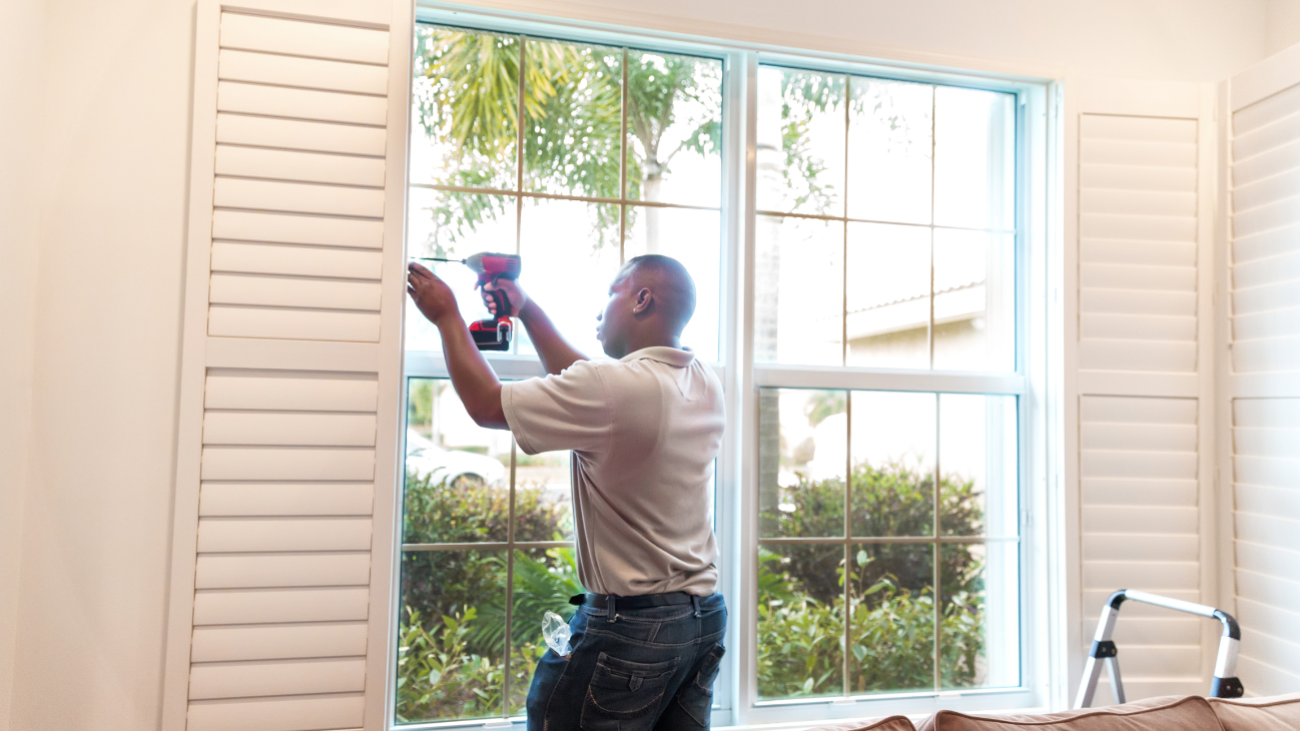
Yes. Most manufacturers design their blinds for easy installation. You typically only need a measuring tape, a drill, and a few screws to mount the brackets securely.

Do blinds actually keep a room cooler?
Absolutely. By reflecting solar energy before it heats the interior air, blinds drastically reduce the greenhouse effect inside your home, keeping your rooms much cooler during the summer.

Blinds for Small Windows

Top Blinds for Small Windows and Apartments

Decorating a small apartment requires careful planning, especially when it comes to window treatments. The wrong choice can make a tight room feel cramped, while the right choice brings in natural light and opens up the room. Finding the perfect blinds for small windows solves a major design problem. It helps you save space, improve your privacy, and elevate the look of your entire apartment.

Challenges of Small Windows

Small windows present a few unique hurdles. First, they let in less natural light. If you cover them with heavy curtains, you block out the little sunshine you have. Second, awkward placements often make standard window coverings impossible to use. A small kitchen window over a sink or a narrow bathroom window needs something functional that stays out of the way. Finally, bulky fabrics and complex hardware easily overpower small rooms, making your ceilings look lower and your floor space feel smaller.

Key Features to Look for in Blinds

When shopping for blinds for small windows, you want to focus on a few specific features that make daily life easier.

Light Control

You need the ability to adjust the light throughout the day. Look for options that let you tilt slats or roll up completely. This allows you to flood the room with sunlight during the day while securing complete privacy at night.

Compact Design

Space is a premium in an apartment. Choose a slim profile that fits snugly inside the window frame. This inside-mount approach keeps the window sill free for plants or decor and stops the blinds from sticking out into your living area.

Easy Installation

If you rent your apartment, you might not want to drill heavy brackets into the walls. Lightweight window coverings often feature simple hardware. Some even use tension rods or adhesive tracks to keep your security deposit safe.

Best Types of Blinds for Small Windows

Not all window treatments work well in tight spaces. Here are the most reliable options we recommend for apartments.

Roller Blinds

Roller blinds offer a clean, flat surface when pulled down and practically disappear when rolled up. They take up very little space at the top of the window frame. You can find them in light-filtering and blackout fabrics, making them perfect for bedrooms and living rooms alike.

Roman Blinds

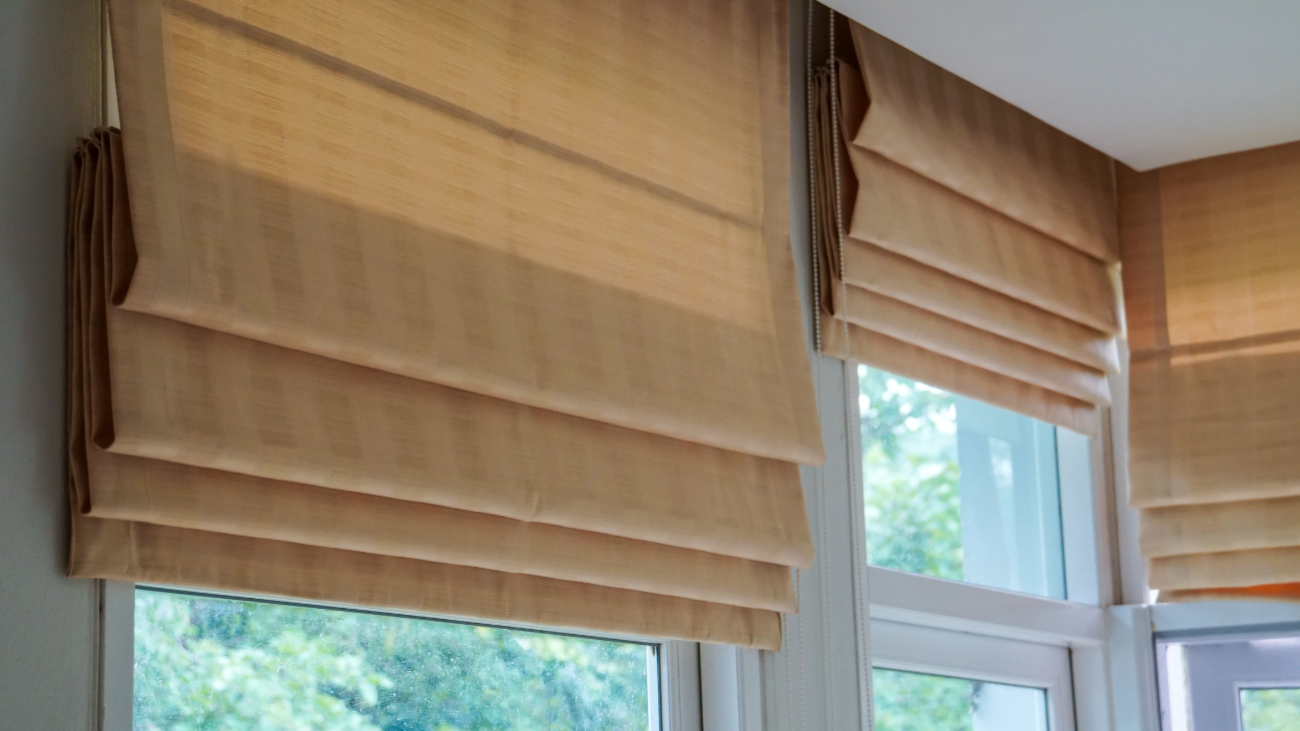
If you want to add a soft touch to your room without using bulky curtains, Roman blinds work beautifully. They fold up into neat, horizontal pleats. Because they sit close to the glass, they provide an elegant look without eating into your floor space.

Venetian Blinds

Venetian blinds feature horizontal slats made of wood, faux wood, or aluminum. They give you excellent control over privacy and light. You can tilt the slats slightly to let in a breeze while blocking the view from the outside.

Cellular Shades

Also known as honeycomb shades, these are a top choice for small apartments. They compress tightly at the top of the window, maximizing your glass space. Furthermore, the honeycomb design traps air, providing excellent insulation to help keep your apartment warm in winter and cool in summer.

Blinds That Make Small Spaces Look Bigger

How you hang your blinds matters just as much as the type you buy. To make a small room feel larger, mount your blinds inside the window frame. An inside mount keeps the lines of the room clean and shows off the window trim.

If your windows are very short, you can use a clever design trick. Mount a roller or Roman blind a few inches above the top of the window frame. When the blind is pulled all the way up, it sits against the wall rather than the glass. This tricks the eye into thinking the window is taller than it actually is.

Color & Design Tips for Apartments

Color heavily influences how large a room feels. For small apartments, we highly recommend matching your window coverings to your wall color. White blinds against a white wall create a seamless, uninterrupted line that makes the space feel expansive.

If you want to add a pattern, keep it subtle. Large, bold prints overwhelm a small room. Instead, opt for textured fabrics or very small, muted patterns that add visual interest without commanding too much attention.

Budget-Friendly Options

Decorating an apartment does not have to drain your savings. Aluminum mini blinds are one of the most affordable options available and they fit perfectly into narrow window frames. Standard vinyl roller shades also cost very little and provide excellent light control. If you love the look of real wood but want to save money, faux wood Venetian blinds offer the same warm aesthetic at a fraction of the price, plus they resist moisture beautifully in small kitchens and bathrooms.

FAQs

Should I choose an inside mount or an outside mount for small windows?
An inside mount usually works best. It keeps the window treatment tucked away, saving space and maintaining a clean, minimalist look. Use an outside mount only if your window frame lacks the depth to hold the hardware.

Can I install blinds without drilling holes?
Yes. You can find tension-mounted shades that work just like a shower curtain rod. There are also adhesive paper shades and smart brackets that tap right into your existing window trim without a drill.

What is the best color for blinds in a small apartment?
Light, neutral colors work best. White, cream, and soft gray reflect light and help small rooms feel bright, open, and airy.

how-to-measure-for-window-blinds

How to Measure for Window Blinds: Easy Step-by-Step Guide

Getting new window treatments transforms a room, but the secret to a perfect look lies entirely in the prep work. Figuring out how to measure for window blinds might seem intimidating, especially if you are a DIY beginner. However, with the right approach and a little patience, you can get precise measurements that ensure a flawless fit.

Why Accurate Measurement Matters

Taking exact measurements is the most critical step in your window treatment project. A fraction of an inch can make the difference between a beautiful window and a frustrating return process.

Accurate numbers guarantee:

  • A perfect fit: Blinds that fit snugly look custom-made and operate smoothly.
  • Better light control: Gaps at the edges let in unwanted sunlight and compromise your privacy.
  • Upgraded aesthetics: Properly sized blinds create clean lines that elevate your entire room’s design.

Tools You Need Before Measuring

Gather your supplies before you touch the window frame. Having everything within reach keeps the process organized and mistake-free. You will need:

  • A steel measuring tape: Never use a cloth tape. Cloth stretches and bends, leading to inaccurate numbers.
  • A sharp pencil: Pencils allow you to erase mistakes easily.
  • A notepad: Write down your measurements immediately. Do not rely on your memory.
  • A step stool or ladder: This keeps you safe when measuring tall windows.

Types of Blind Mounts

Before you measure, you must decide how you want to mount your blinds. You have two main options:

Inside Mount
These blinds sit entirely within the window frame. They provide a clean, built-in look and leave your window molding exposed. To use an inside mount, your window frame must have enough depth to accommodate the blind’s headrail.

Outside Mount
These blinds attach outside the window opening, either on the window molding or the wall above it. Outside mounts make small windows appear larger and excel at blocking light since they overlap the window edges.

Step-by-Step Guide to Measure Blinds

Now let’s get down to the actual measuring process. Write down every measurement as Width x Height.

Measuring for Inside Mounts

  1. Width measurement: Measure the inside width of the window at three points: the top, the middle, and the bottom. Write down the narrowest measurement. The factory will use this number to ensure the blinds clear the sides of the frame.
  2. Height measurement: Measure the inside height at the left, center, and right side. Record the longest measurement.
  3. Depth consideration: Measure the depth of your window frame. Check the product specifications of the blinds you want to buy to ensure your window is deep enough for a flush fit.

Measuring for Outside Mounts

  1. Width measurement: Measure the width of the window opening and add at least 3 to 4 inches (1.5 to 2 inches on each side) for maximum light coverage.
  2. Height measurement: Measure from where you want the headrail to sit (often 2 to 3 inches above the window) down to where you want the blinds to end.

Measuring for Different Window Types

Different windows require slightly different approaches.

Standard Windows
Follow the basic inside or outside mount instructions above. Treat each window as a separate project, even if they look identical.

Bay Windows
Bay windows require careful planning so the blinds do not bump into each other in the corners. You will need to measure the width of each window section and factor in the depth of the headrails to calculate the correct intersection points.

Sliding Doors
Outside mounts work best for sliding glass doors. Measure the width of the door frame and add a few extra inches on the sides. Measure the height from the mounting surface above the door straight down to the floor, then deduct about half an inch so the blinds do not drag.

Common Measuring Mistakes to Avoid

Even careful homeowners occasionally make errors. Watch out for these traps:

  • Assuming windows are perfectly square: Houses settle, and frames warp over time. Always measure in three places (top, middle, bottom).
  • Mixing up width and height: The industry standard always lists width first, then height (W x H).
  • Taking your own deductions: Give the exact measurements of your window space. The manufacturer takes the necessary deductions for inside mounts automatically.

Pro Tips from Experts

  • Measure twice, order once: Double-check every single number before you hit the checkout button.
  • Measure to the nearest 1/8 inch: Avoid rounding to the nearest half or whole inch. Precision is your best friend here.
  • Look for obstacles: Check for handles, cranks, alarm sensors, or molding that might get in the way of the blind’s operation.

FAQs

Do I need to deduct space for clearance?
No. If you choose an inside mount, provide the exact window opening size. The manufacturer will deduct the appropriate amount (usually about 1/8 to 1/4 inch) so the blinds fit properly.

What if my window is not deep enough for an inside mount?
If your window lacks the necessary depth, you must choose an outside mount. Otherwise, the blinds will protrude from the frame and look unfinished.

Can I use a laser measure?
While a laser measure works well for general room dimensions, a classic steel measuring tape remains the most reliable tool for the precision required for window treatments.