
Motorized blinds

Motorized Blinds Benefits: Why Smart Window Coverings Are Worth It
Modern homeowners are rethinking their windows, and the motorized blinds benefits are a big reason why. Automated window blinds combine one-touch convenience, better energy efficiency, and improved safety in a single upgrade. At Blinds R Us, we install custom motorized blinds every week, so we see firsthand how they change the way families live at home. If you have ever struggled to reach a high window or fought with tangled cords, smart window treatments solve those problems for good.

This guide breaks down exactly what motorized blinds do, which rooms suit them best, and whether they are worth the cost.

What Are the Benefits of Motorized Blinds?

Motorized blinds raise and lower with a remote, app, or voice command instead of cords or wands. The main benefits include:

  • Convenience: Open or close every blind in the house with one button or a scheduled routine.
  • Smart home automation: Blinds work with Alexa, Google Assistant, Apple HomeKit, and SmartThings.
  • Energy efficiency: Automated shades block heat gain in summer and hold warmth in winter.
  • Child and pet safety: Cordless designs remove strangulation hazards from your rooms.
  • Improved privacy: Set blinds to close automatically at sunset or with a single tap.
  • Modern appearance: Clean, cord-free lines give windows a polished, current look.
  • Increased home value: Smart home upgrades appeal to today’s buyers.

Now let’s look at how these features work and where they matter most.

What Are Motorized Blinds?

Motorized blinds use a small internal motor to move the fabric or slats. You control that motor in several ways, depending on the system you choose.

Power options come in two types:

  • Battery-powered blinds: A rechargeable battery or standard batteries run the motor. No wiring required, so installation stays simple.
  • Wired (hardwired) blinds: The motor connects to your home’s electrical system. This suits new builds and large windows that run all day.

Control methods include:

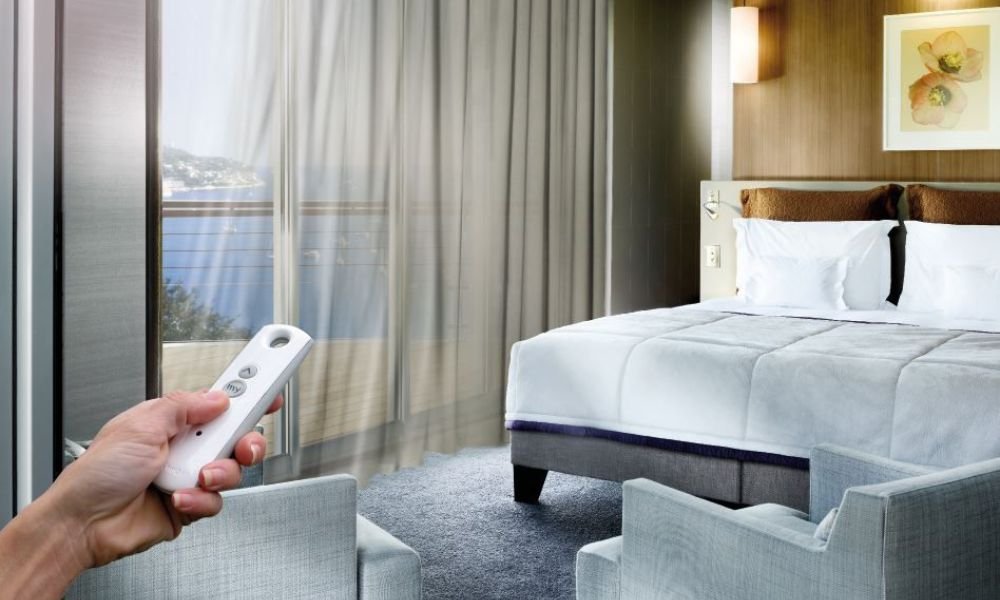
  • Remote control for quick, room-by-room adjustments
  • Wall switch for a fixed, easy-to-find control point
  • Smartphone apps to manage blinds from anywhere
  • Voice assistants like Alexa and Google Assistant for hands-free commands

Once connected to a smart home hub, your blinds can follow schedules, respond to sunlight, and sync with lights and thermostats.

Top Benefits of Motorized Blinds

Convenience You Notice Every Day

The first thing you feel with motorized roller blinds is how much easier daily life becomes. You open or close every window at once, without walking room to room.

  • Raise all blinds each morning with one tap
  • Schedule them to lower automatically at bedtime
  • Reach windows above stairs, sinks, or tall furniture without a ladder

Hard-to-reach windows are where wireless window blinds earn their keep fast.

Smart Home Integration

Smart motorized blinds connect to the systems you already use. That means your window coverings become part of your daily routines instead of a separate chore.

We install blinds compatible with:

  • Amazon Alexa for voice control and routines
  • Google Assistant for hands-free scheduling
  • Apple HomeKit for iPhone and Siri users
  • Samsung SmartThings for whole-home automation

You can build routines like “Good Morning,” which raises the blinds, turns on lights, and adjusts the thermostat together. That level of coordination is what makes smart home window coverings feel worth the investment.

Improved Energy Efficiency

Windows are a major source of heat loss and heat gain. Energy-efficient window treatments help you control both, which lowers your utility bills.

  • Reduce heat gain by closing blinds during peak afternoon sun
  • Lower cooling costs in summer by blocking direct light automatically
  • Add insulation with cellular shades that trap air at the window
  • Block UV rays that raise indoor temperatures
  • Stay comfortable year-round with schedules that match the sun

When blinds close on a schedule, you save energy even when you forget. That consistency is where the real savings add up.

Better Child and Pet Safety

Corded blinds remain a recognized hazard for children and pets. Child-safe window blinds remove that risk entirely.

  • Cordless design means no dangling cords to reach
  • Reduced hazards protect crawling babies and curious pets
  • Cleaner appearance without cords cluttering the window
  • Family-friendly homes that meet current safety standards

We recommend motorized options for any nursery, playroom, or pet-friendly space.

Enhanced Privacy

Privacy is easy to control when your blinds respond to a schedule or a single command. You never have to remember to close them at dusk.

  • Scheduled privacy closes blinds automatically each evening
  • Instant control lets you adjust a room in seconds
  • Bedroom and bathroom use where privacy matters most

Remote control blinds give you full coverage without touching a single cord.

Protect Furniture and Flooring

Direct sunlight fades what you love most in your home. Automated shades protect those surfaces by blocking UV rays during the brightest hours.

UV protection helps preserve:

  • Hardwood floors
  • Carpets and rugs
  • Sofas and upholstery
  • Artwork and photographs
  • Curtains and other fabrics

Set the blinds to lower during midday sun, and your finishes stay vibrant for years longer.

Increased Home Value

Smart home upgrades attract buyers, and window automation is a visible, useful feature. It signals a modern, well-maintained home.

  • Boosts curb and interior appeal
  • Supports a connected, modern lifestyle
  • Draws interest from tech-minded buyers
  • Serves as a long-term investment that lasts

Best Rooms for Motorized Blinds

Some spaces gain more from automation than others. Based on our installations, these rooms benefit most:

  • Living rooms: Manage large windows and glare during TV time
  • Bedrooms: Wake and sleep on a schedule with blackout options
  • Kitchens: Control blinds over sinks and counters without reaching
  • Home offices: Cut screen glare during work hours
  • Large windows and high ceilings: Reach glass no wand or cord can
  • Sliding glass doors and patio doors: Cover wide spans with one command

Tall and oversized windows are where motorized blinds for large windows prove most practical.

Are Motorized Blinds Worth the Cost?

Motorized blinds cost more than manual ones upfront, and that is a fair concern. Here is how the value balances out over time.

  • Initial investment: Higher than corded blinds, driven by the motor and controls
  • Long-term savings: Lower cooling and heating bills through scheduled shading
  • Reduced wear: Smooth motorized operation extends fabric and mechanism life
  • Everyday convenience: Time saved and comfort gained across every room
  • Lifestyle improvements: Safer homes, better privacy, and easy automation

For most homeowners, the daily convenience and energy savings justify the price within a few years.

Choosing the Right Motorized Blinds

The right style depends on the room, the light, and the look you want. We help you match the type to your needs.

  • Roller blinds: Clean, simple, and ideal for modern spaces
  • Cellular shades: Best insulation for energy efficiency
  • Roman shades: Soft, layered fabric with a classic feel
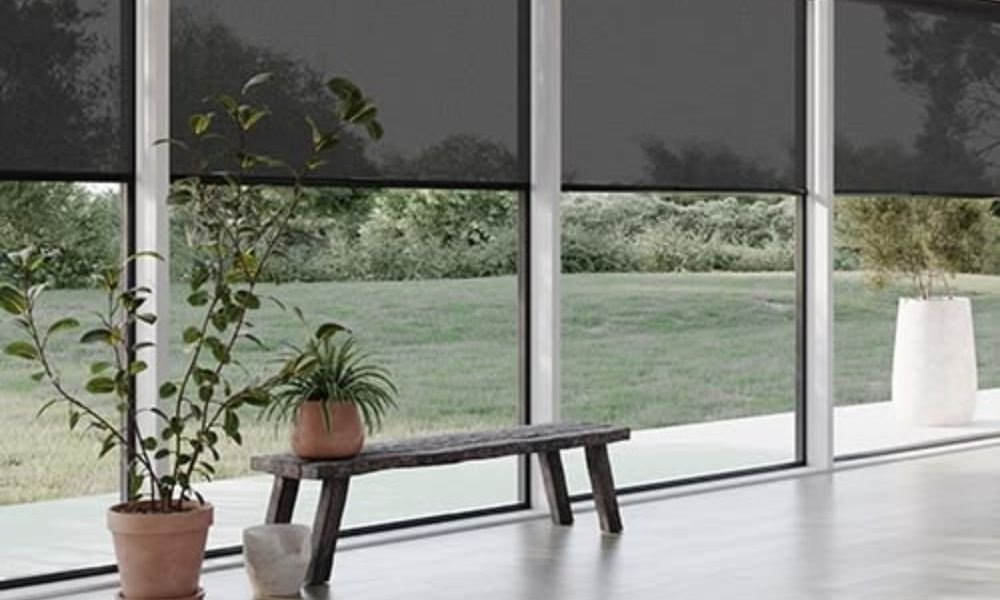
  • Solar shades: Reduce glare while keeping your view
  • Blackout options: Full darkness for bedrooms and media rooms

Every option comes with custom fabric, color, and opacity choices, so your blinds fit both your windows and your style.

Manual vs. Motorized Blinds

FeatureManual BlindsMotorized Blinds
ConvenienceAdjust each blind by handOne-touch, app, and voice control
SafetyCords pose a hazardCordless, child- and pet-safe
Energy EfficiencyDepends on manual useAutomated schedules save energy
Smart FeaturesNoneAlexa, Google, HomeKit, SmartThings
MaintenanceCords can tangle or wearSimple, low upkeep
Best ApplicationsSmall, easy-reach windowsLarge windows, whole-home automation

Practical Buying Tips

Before you choose motorized blinds, we suggest checking these details.

  • Window size: Larger windows need stronger motors or wired power
  • Battery vs. wired: Battery suits retrofits; wired suits new builds
  • Smart home compatibility: Confirm support for your hub or assistant
  • Budget: Plan for the motor, control, and installation together
  • Fabric selection: Match opacity to each room’s light needs
  • Light control: Choose solar, sheer, or blackout by purpose
  • Installation: Professional fitting prevents alignment and motor issues
  • Warranty: Ask about motor and fabric coverage before you buy

Why Choose Blinds R Us

Choosing the right blinds and installing them correctly are two different jobs, and we handle both. Our team guides you from measurement to setup so nothing is left to guesswork.

  • Professional consultation to match blinds to each room
  • Custom measurements for a precise fit on every window
  • Expert installation that aligns motors and mounts correctly
  • Quality products built for daily use and long life
  • Smart home expertise to connect blinds to your system
  • Attentive customer service before and after installation

We stand behind our work and make sure your motorized blinds installation runs smoothly from start to finish.

Frequently Asked Questions

Are motorized blinds worth it?
Yes. Most homeowners find the convenience, energy savings, and added safety justify the higher upfront cost within a few years.

How long do motorized blinds last?
Quality motorized blinds last 10 years or more. Motors are rated for thousands of cycles, and fabric lasts as long as manual blinds.

Do motorized blinds work during a power outage?
Battery-powered blinds keep working during outages. Wired blinds usually pause, though many include a battery backup or manual option.

Can motorized blinds be controlled with a phone?
Yes. With a smart hub or built-in connectivity, you control your blinds from an app anywhere you have internet.

Are battery-powered blinds reliable?
Yes. A single charge or battery set typically lasts 6 to 12 months, depending on use and window size.

Can motorized blinds improve energy efficiency?
Yes. Scheduled shading blocks heat gain in summer and holds warmth in winter, which lowers heating and cooling costs.

Are motorized blinds safe for children?
Yes. Cordless designs remove strangulation hazards, making them a safe choice for nurseries, playrooms, and pet-friendly homes.

Can existing blinds be motorized?
Some existing blinds accept add-on motor kits. We can assess your current blinds and advise whether retrofitting or replacing works better.

What maintenance do motorized blinds require?
Very little. Dust the fabric regularly, recharge or replace batteries as needed, and keep firmware updated on smart models.

Which rooms benefit most from motorized blinds?
Rooms with large windows, high ceilings, or hard-to-reach glass benefit most, along with bedrooms that need blackout control.

Final Thoughts

Motorized blinds deliver real, everyday value: easier control, lower energy bills, safer rooms, better privacy, and a modern look that buyers notice. Whether you want smart blinds for a single bedroom or automated shades throughout your home, the right setup starts with the right guidance. At Blinds R Us, we measure, recommend, and install custom motorized blinds built to fit your windows and your lifestyle. Reach out to our team for a personalized consultation, accurate sizing, and professional installation you can rely on.

Best Window Treatments for Every Room

Best Window Treatments for Every Room: A Homeowner’s Room-by-Room Guide
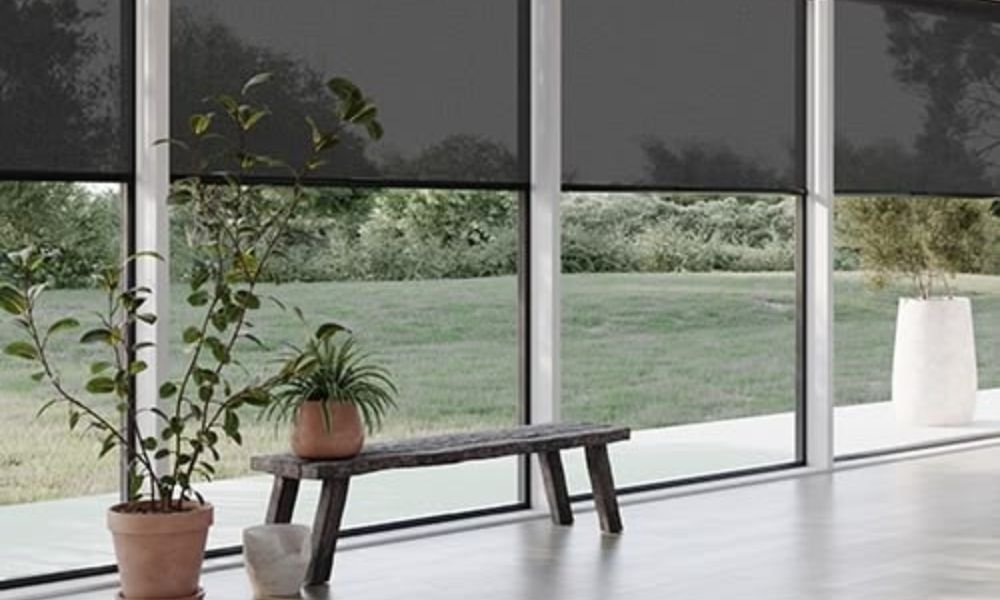
Choosing the best window treatments for every room can feel overwhelming when you’re staring at a wall of blinds, shades, and shutters. Each room in your home has different needs. Your bedroom needs privacy and darkness. Your kitchen needs something that wipes clean. Your living room needs a balance of style and natural light.

The right choice depends on sun exposure, moisture, privacy, and how you actually use the space. We help homeowners match the right custom window treatments to each room through professional measurements, expert installation, and personalized design consultations. This guide walks you through smart, practical recommendations room by room. We’ll also compare popular products, share energy-saving tips, and answer the questions homeowners ask most. By the end, you’ll know exactly what fits your windows and your budget.

Why Choosing the Right Window Treatment Matters

Window treatments do more than decorate a room. They control light, protect your privacy, block harmful UV rays, and improve energy efficiency. The wrong choice can leave a bedroom too bright or a bathroom warped from moisture.

The right choice, on the other hand, adds comfort and long-term value. That is why we recommend comparing each room’s needs before you buy.

Key Takeaways

  • Best treatment by room: Faux wood blinds for kitchens and bathrooms, blackout shades for bedrooms, plantation shutters for living and dining rooms, cordless cellular shades for nurseries.
  • Most privacy: Plantation shutters and blackout roller shades offer the strongest privacy.
  • Energy savings: Cellular (honeycomb) shades trap air and reduce heat transfer.
  • Moisture resistance: Faux wood blinds and vinyl roller shades resist humidity and warping.
  • Child-safe choices: Cordless and motorized window shades remove dangerous cords.

Living Room Window Treatments

The living room is where style and function meet. Homeowners often want plenty of natural light during the day, plus privacy at night. Plantation shutters deliver both because you can tilt the louvers to control light and sightlines.

For a softer look, layer roller shades under drapery. This combination gives you light filtering by day and full coverage in the evening. If your living room faces west, choose UV-protective shades to guard furniture and floors from sun damage.

Bedroom Window Treatments

Bedrooms need darkness and privacy. Blackout shades are commonly preferred in bedrooms because they improve privacy and reduce outside light, which supports better sleep.

Cellular shades with a blackout liner work well here, since they also add insulation. For a layered look, pair blackout roman shades with drapery. This setup blocks light and softens sound.

Kitchen Window Treatments

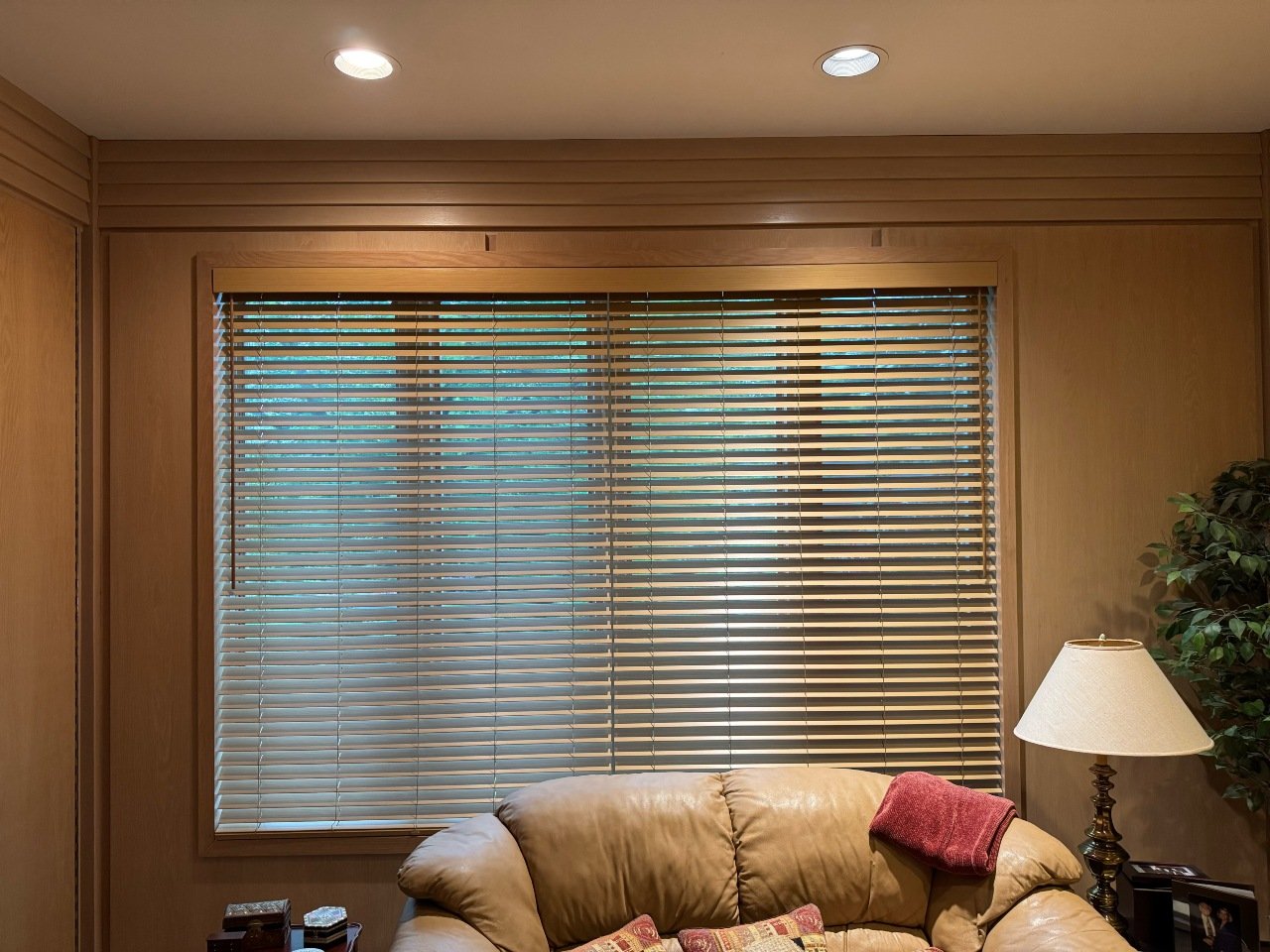
Kitchens face heat, steam, and splatter, so easy cleaning matters most. Faux wood blinds are a top pick for kitchen windows because they wipe clean and resist warping from humidity.

Roller shades in a stain-resistant fabric also work well above sinks and counters. Choose light-filtering options to keep the space bright while cooking. Cordless kitchen window blinds add safety and a clean look.

Bathroom Window Treatments

Bathrooms demand moisture resistance above everything else. Faux wood blinds are often recommended for bathrooms due to their moisture resistance, and they hold up far better than real wood in humid air.

Vinyl roller shades and composite shutters are strong alternatives. For privacy without losing light, top-down bottom-up cellular shades let you cover the lower window while keeping the top open.

Dining Room Window Treatments

Dining rooms are made for gathering, so they benefit from an elegant touch. Plantation shutters and roman shades both add a polished, tailored look.

If your dining room gets bright afternoon sun, add UV-filtering shades to protect your table and rug. Motorized shades are a nice upgrade here, letting you set the mood with the tap of a button during dinner.

Home Office Window Treatments

Glare on your screen is the biggest challenge in a home office. Light-filtering roller shades or cellular shades reduce glare while keeping the room bright enough to work.

Adjustable blinds also let you redirect light throughout the day. For video calls, choose home office window treatments that create even, soft lighting rather than harsh direct sun.

Nursery and Kids’ Room Window Treatments

Safety comes first in a nursery. We strongly recommend cordless or motorized window shades because they remove the cords that pose a strangulation risk to young children.

Blackout cellular shades are ideal here. They darken the room for naps and add insulation to keep the space comfortable. The soft, clean design also fits nursery decor beautifully.

Window Treatments for Large Windows and Sliding Glass Doors

Large windows and sliding glass doors need treatments built for their size. Vertical blinds and panel track shades slide smoothly across wide openings.

Motorized window treatments improve convenience, especially for tall or hard-to-reach windows. With one remote or a smartphone app, you can raise or lower shades you could never reach by hand. For sliding doors, panel tracks give you a modern, tidy finish.

Energy-Efficient Window Coverings

Your windows are a major source of heat gain and heat loss. According to the U.S. Department of Energy, well-chosen window coverings can reduce energy waste and improve home comfort.

Cellular shades can help reduce heat transfer because their honeycomb design traps air, creating an insulating barrier. For the best results, mount them close to the glass with a snug fit. Layering drapery over shades adds even more insulation in cold months.

Motorized Window Treatments: Are They Worth It?

Motorized shades cost more upfront, but they earn their place in many homes. They add convenience, safety, and smart-home control.

Here’s when motorization makes the most sense:

  • Tall or hard-to-reach windows you can’t operate by hand
  • Homes with young children, since there are no cords
  • Large glass doors and multiple windows on one schedule
  • Smart-home setups where you want voice or app control

You can set schedules to open shades at sunrise and close them at dusk. That saves energy and keeps your home private automatically.

Blinds vs Shades vs Shutters

Homeowners often mix up these terms. Here’s the simple difference.

  • Blinds have hard slats you tilt to control light. Think faux wood blinds or aluminum blinds.
  • Shades are made from a continuous piece of fabric or material that rolls, folds, or stacks. Think roller shades, cellular shades, and roman shades.
  • Shutters are solid, permanent panels with louvers, mounted directly to the window frame. Plantation shutters are the most popular type.

Plantation shutters are known for durability and long-term value, which is why many homeowners treat them as a lasting home investment.

Room Comparison Table

RoomBest TreatmentPrivacyLight ControlMoisture ResistanceEnergy Efficiency
Living RoomPlantation shuttersHighExcellentModerateGood
BedroomBlackout cellular shadesHighExcellentLowExcellent
KitchenFaux wood blindsMediumGoodHighModerate
BathroomFaux wood blinds / vinyl shadesHighGoodVery HighModerate
Dining RoomRoman shadesMediumGoodLowModerate
Home OfficeLight-filtering roller shadesMediumExcellentLowGood
NurseryCordless blackout cellular shadesHighExcellentLowExcellent
Large WindowsMotorized panel tracksMediumGoodModerateGood

Pros and Cons of Popular Window Treatments

Roller Shades

  • Pros: Affordable, easy to clean, sleek modern look, wide fabric range.
  • Cons: Less insulation, limited light control between fully open and closed.

Cellular Shades

  • Pros: Best insulation, energy-efficient honeycomb design, quiet operation.
  • Cons: Fabric can trap dust, harder to spot-clean than hard materials.

Faux Wood Blinds

  • Pros: Moisture-resistant, wipe-clean, budget-friendly, great for wet rooms.
  • Cons: Heavier than real wood, slats can collect dust.

Plantation Shutters

  • Pros: Durable, timeless, strong privacy, adds home value.
  • Cons: Higher upfront cost, permanent installation.

Roman Shades

  • Pros: Elegant, soft look, good light filtering, wide style options.
  • Cons: Cords on some models, harder to clean fabric folds.

Drapery

  • Pros: Great insulation, sound softening, endless fabric choices.
  • Cons: Requires more cleaning, takes up wall space.

Homeowner Buying Checklist

Before you buy, run through this quick checklist:

  • Room purpose: How is the space used daily?
  • Sun exposure: Which direction do the windows face?
  • Privacy needs: How much coverage do you want?
  • Window size: Standard, tall, or oversized?
  • Moisture level: Is the room humid or wet?
  • Budget: What’s your price range per window?
  • Cleaning requirements: How much upkeep can you manage?
  • Style preferences: Modern, classic, or transitional?
  • Smart home compatibility: Do you want motorized control?

Why Homeowners Choose The Blinds R Us

When homeowners search for window treatments near me or custom blinds in my area, they want experts who get the details right. We provide professional measurements so every treatment fits perfectly the first time.

Here’s how we help:

  • We measure each window precisely to avoid gaps and light leaks.
  • We handle expert installation, so nothing is left to guesswork.
  • We offer personalized design consultations to match your style and budget.
  • We stand behind high-quality products built for long-term value.

Frequently Asked Questions

What are the best window treatments for every room?
The best treatments depend on each room’s needs. Use faux wood blinds in kitchens and bathrooms, blackout shades in bedrooms, plantation shutters in living and dining rooms, and cordless cellular shades in nurseries. Match your choice to sun exposure, privacy, and moisture for the best results.

Which window coverings provide the most privacy?
Plantation shutters and blackout roller shades offer the most privacy. Shutters let you close solid louvers completely, while blackout shades block sightlines and outside light. For rooms needing both privacy and light, top-down bottom-up cellular shades cover the lower window while keeping the top open.

Which blinds are best for kitchens?
Faux wood blinds are best for kitchens because they wipe clean and resist warping from heat and steam. They handle splatter near sinks and stoves far better than real wood. Cordless models add safety and a clean, modern look while staying budget-friendly.

What window treatments work best in bathrooms?
Faux wood blinds are often recommended for bathrooms due to their moisture resistance. Vinyl roller shades and composite shutters also perform well in humid conditions. Avoid real wood, since steam can cause it to warp and crack over time.

Which shades improve energy efficiency?
Cellular shades improve energy efficiency the most. Their honeycomb design traps air, which reduces heat transfer through the window. The U.S. Department of Energy notes that well-fitted window coverings help lower energy waste. Mount them close to the glass for the strongest effect.

Are plantation shutters worth the investment?
Yes. Plantation shutters are known for durability and long-term value. They resist wear, add privacy, and often increase a home’s appeal to buyers. While the upfront cost is higher than shades, their long lifespan makes them a smart, lasting investment.

Are motorized shades worth it?
Motorized shades are worth it for tall windows, homes with children, and smart-home setups. They add convenience, remove dangerous cords, and let you control shades by remote, app, or voice. You can also schedule them to open and close automatically, which saves energy.

What is the difference between blinds and shades?
Blinds have hard, adjustable slats you tilt to control light, such as faux wood blinds. Shades are made from a continuous piece of fabric or material that rolls, folds, or stacks, such as roller or cellular shades. Blinds offer precise light control, while shades offer softer coverage.

Find the Best Window Treatments for Every Room

The best window treatments for every room come down to matching the right product to each space, your style, and your budget. With the guidance above, you’re ready to make confident choices for your home.

Ready for expert help? Contact The Blinds R Us today for a free consultation, custom measurements, and professional installation. As trusted local window covering specialists, we’ll help you find the perfect fit for every room in your home.

Custom Blinds vs Ready Made Blinds

Custom Blinds vs Ready Made Blinds: A Homeowner’s Buying Guide
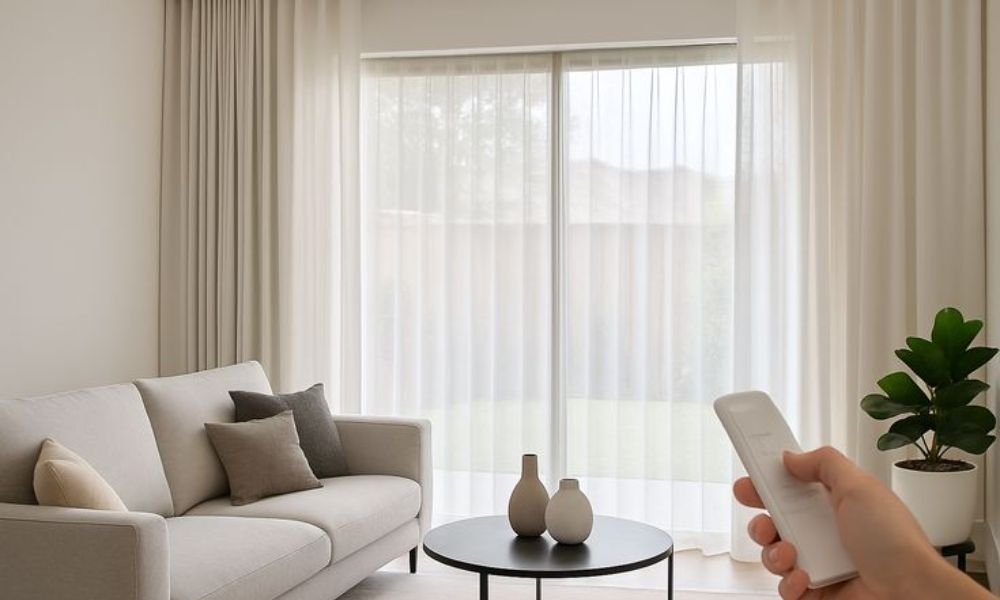
Choosing the right window covering shapes how your home feels every single day. The debate over Custom Blinds vs Ready Made Blinds comes down to more than price. It affects your comfort, privacy, energy bills, and the overall look of each room. We work with homeowners on this decision often, and the answer usually depends on your budget, window sizes, and how long you plan to stay. This guide breaks down both options in plain language, so you can pick the right fit for your home and your goals.

What Are Custom Blinds?

Custom blinds are made-to-measure window coverings built to the exact dimensions of your windows. You choose the materials, colors, slat sizes, and control style, then the blinds are manufactured to fit precisely. The result is a tailored, premium finish with no gaps and a wide range of design options.

Custom window blinds give you full control over the details:

  • Made-to-measure manufacturing for an exact fit
  • Personalized material and fabric choices
  • Premium finishes and hardware
  • Options like faux wood blinds, roller blinds, cellular shades, and Roman shades
  • Cordless and motorized upgrades for safety and convenience

Because each order is built for one home, custom blinds fit tricky shapes like bay windows and sliding doors that standard sizes rarely cover.

What Are Ready Made Blinds?

Ready made blinds are pre-manufactured window coverings sold in standard sizes. You buy them off the shelf or online, then install them yourself. They cost less upfront and are available right away, but they offer limited customization and may not fit every window perfectly.

Here is what defines ready made blinds:

  • Standard, fixed sizing
  • Immediate availability in stores and online
  • Lower upfront cost, making them affordable window blinds for tight budgets
  • Simple DIY installation
  • Fewer material, color, and control choices

For many rooms, ready made blinds do the job well. The trade-off is fit and finish, which we cover next.

Custom Blinds vs Ready Made Blinds: Comparison Table

Here is a side-by-side look at how the two options compare across the factors that matter most.

FactorCustom BlindsReady Made Blinds
CostHigher upfrontLower upfront
FitExact, made to measureStandard sizes only
AppearanceTailored, premiumFunctional, off-the-shelf
DurabilityBuilt for long-term useVaries by material
InstallationOften professionalEasy DIY
Material QualityWide, high-grade rangeLimited selection
Energy EfficiencyBetter, snug fit reduces gapsFair, depends on fit
WarrantyLonger coverage commonShorter or limited
MaintenanceEasy with quality materialsEasy, but wear shows sooner
LifespanLonger with proper careShorter on average
Smart Home CompatibilityStrong, motorization readyLimited options
Child SafetyCordless designs standardCordless available, less common
Long-Term ValueHigher return over timeBest for short-term needs

Benefits of Custom Blinds

Custom blinds deliver a perfect fit, better insulation, and a premium look that raises the value of your home. Because they are made to measure, they close tighter, block more light, and improve privacy. The wider material range also gives you more control over style and durability.

Key advantages include:

  • Perfect fit with no light gaps along the edges
  • Better insulation that supports energy savings, especially with cellular shades
  • Increased privacy from snug, edge-to-edge coverage
  • Better light control, including blackout and UV protection options
  • Premium appearance that matches your interior design
  • Higher home resale value thanks to tailored, quality finishes
  • Long-term durability from stronger materials
  • Greater customization across fabric, color, and control style

For homeowners who plan to stay a while, these benefits usually justify the investment.

Benefits of Ready Made Blinds

Ready made blinds are budget-friendly, widely available, and easy to install yourself. They suit standard windows, quick upgrades, and short-term living situations. When you need a fast, affordable fix without professional measuring, they are a practical choice.

Their strengths include:

  • Budget-friendly pricing for cost-conscious projects
  • Immediate availability with no wait time
  • Simple replacement when styles change
  • Easy DIY installation with basic tools
  • A smart pick for rentals and temporary living
  • A reliable option for quick, low-cost upgrades

The limitation is fit and lifespan, so weigh those against your timeline.

Which Rooms Benefit Most from Custom Blinds?

Custom blinds work best in rooms with unique windows or high style demands. Living rooms, bedrooms, kitchens, bathrooms, and home offices each have different needs for light, privacy, and moisture, and made to measure blinds handle those needs better than standard sizes.

Here is a room-by-room guide:

  • Living room: Large windows and bay windows benefit from a tailored fit and elegant fabric choices.
  • Bedroom: Blackout roller blinds or cellular shades improve sleep with full light control.
  • Kitchen: Faux wood blinds resist moisture and clean easily near cooking areas.
  • Bathroom: Moisture-resistant materials hold up against humidity.
  • Home office: Motorized blinds cut glare on screens and support smart home integration.
  • Large windows and sliding doors: Custom sizing covers spans that ready made blinds cannot.

When Ready Made Blinds Are the Better Choice

Ready made blinds make sense when budget, speed, or a short stay drives the decision. For standard windows and temporary setups, they deliver solid function without the cost of custom work. You get coverage quickly and can swap them out later with little expense.

Good scenarios include:

  • Rental homes where landlords limit permanent changes
  • Vacation properties used only part of the year
  • Budget renovations with tight spending limits
  • Temporary living arrangements
  • Quick upgrades before selling or hosting

If your windows are common sizes, ready made blinds cover the basics well.

Cost vs Long-Term Value

Custom blinds cost more upfront but often deliver stronger long-term value. Higher material quality means fewer replacements, better energy savings, and longer warranty coverage. Ready made blinds save money now but may wear out sooner, adding cost over time.

Think through these factors:

  1. Initial investment: Ready made wins on day one; custom costs more upfront.
  2. Replacement frequency: Custom blinds typically last longer, reducing future spending.
  3. Energy savings: A tight fit lowers heating and cooling loss year-round.
  4. Maintenance costs: Quality materials stay looking good with simple care.
  5. Warranty value: Custom orders often carry longer coverage.
  6. Return on investment: Over several years, custom blinds can pay off through durability and resale appeal.

Key takeaway: Match your spending to your timeline. Short stay, choose affordable window blinds. Long stay, invest in custom.

Expert Buying Tips

Before you buy, measure carefully and match the material to each room’s demands. As window covering experts, we recommend planning around fit, function, and safety first, then style. These steps help you avoid costly mistakes.

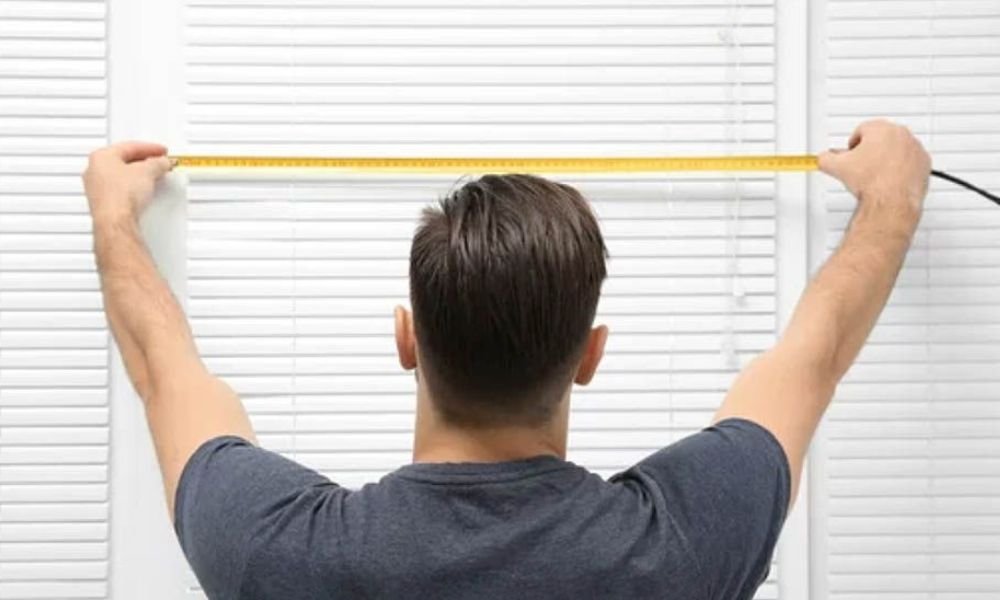
  1. Measure windows twice. Record width and height at the top, middle, and bottom. Accurate window measurements prevent poor fit.
  2. Choose materials for the room. Use faux wood blinds in kitchens and baths for moisture resistance.
  3. Match your décor. Pick colors and textures that support your interior design.
  4. Plan light filtering. Decide between light-filtering and blackout options per room.
  5. Add UV protection. Cellular shades and quality fabrics help protect floors and furniture from fading.
  6. Prioritize child safety. Choose cordless blinds in homes with kids or pets.
  7. Consider motorization. Motorized blinds add convenience and support smart home integration.
  8. Check the warranty. Read coverage terms before you commit.
  9. Ask about professional installation. A proper install protects your investment and the warranty.

Frequently Asked Questions

Are custom blinds worth it?
Yes, for most long-term homeowners. Custom blinds offer a perfect fit, better insulation, and premium finishes that add value. If you plan to stay several years, the durability and energy savings usually justify the higher upfront cost.

Why are custom blinds more expensive?
Custom blinds cost more because they are made to measure using higher-grade materials and tailored hardware. Each order is built for your exact windows, which raises material and labor costs compared to mass-produced standard sizes.

Can ready made blinds be trimmed?
Some ready made blinds can be trimmed to width, especially aluminum and faux wood styles. However, trimming has limits and can affect the finish. For unusual sizes, made to measure blinds deliver a cleaner, more reliable fit.

Which blinds last the longest?
Custom blinds generally last longer because they use sturdier materials and precise construction. With proper care, quality faux wood blinds and cellular shades hold up well for many years, outlasting most budget ready made options.

Are custom blinds more energy efficient?
Yes. A snug, edge-to-edge fit reduces air gaps around the window. Cellular shades add insulating pockets that slow heat transfer, helping lower heating and cooling costs throughout the year.

Do custom blinds increase resale value?
Custom blinds can support resale value by giving windows a tailored, finished look that buyers notice. While they are not a guaranteed dollar-for-dollar return, quality window treatments improve first impressions during showings.

What blinds are easiest to clean?
Faux wood blinds and roller blinds are among the easiest to clean. A quick wipe with a damp cloth removes dust and moisture, which makes them practical for kitchens and bathrooms.

Which blinds are best for large windows?
Custom blinds are best for large windows, bay windows, and sliding doors. Standard sizes rarely span these openings correctly, while made to measure blinds cover them fully with a clean, consistent fit.

Conclusion

The choice in Custom Blinds vs Ready Made Blinds comes down to your budget, window dimensions, style preferences, energy goals, and how long you plan to stay. Ready made blinds win on price and speed, making them ideal for rentals, quick upgrades, and standard windows. Custom blinds win on fit, durability, energy savings, and long-term value, making them the smart pick for homes you will enjoy for years.

If you want help choosing the right option, our team at The Blinds R Us is here to guide you. Contact us today for expert advice and professionally measured custom window treatment solutions built to fit your home perfectly.