

When homeowners see the price tag on custom blinds, the first reaction is often hesitation. Ready-made blinds from a big-box store are cheaper upfront — that much is true. But what happens six months later when the gaps, the sagging, and the fading become impossible to ignore?
Custom blinds solve the problems that store-bought options simply can’t. In this post, you’ll learn what sets custom window blinds apart, why they deliver better long-term value, and how to choose the right ones for your home. Whether you’re a homeowner, interior designer, or property investor, here’s what you need to know before making your next window treatment decision.
What Are Custom Blinds?
Custom blinds are window coverings built to your exact window dimensions, preferences, and functional needs. Unlike standard store-bought options that come in fixed sizes, made-to-measure blinds are manufactured after you order them — tailored to fit your specific windows precisely.
The process typically works like this: a professional takes precise measurements of each window, you select your material and style, and the blinds are manufactured to those exact specs. No trimming, no guessing, no awkward gaps on the sides.
This stands in sharp contrast to ready-made blinds, which are produced in bulk in a handful of standard sizes. Most homeowners end up bending the fit to the window rather than the other way around — and that compromise shows.
Key Benefits of Investing in Custom Blinds
Perfect Fit for Any Window
One of the most practical advantages of custom window coverings is the precise fit. Standard windows are rarely as standard as they seem. Older homes especially tend to have windows with slight variations in size or shape that make off-the-shelf blinds a frustrating match.
With custom blinds, every window gets a solution designed specifically for it — including arched windows, bay windows, skylights, and unusually wide or tall openings.
Superior Quality and Durability
Premium blinds are made with higher-grade materials than what you’ll find in a typical retail package. That means thicker slats, stronger brackets, better cords or motorized mechanisms, and fabrics that resist fading and warping over time.
Most quality custom window blinds last 10 to 20 years with proper care. Compare that to the two-to-five-year lifespan of many budget ready-made options, and the math starts looking different.
Enhanced Appearance and Home Aesthetics
Custom window coverings give your home a polished, finished look that’s hard to achieve any other way. When blinds fit perfectly and match your interior style — whether that’s modern, traditional, or somewhere in between — every room feels more intentional and cohesive.
Interior designers consistently recommend made-to-measure blinds for this reason. The difference in visual quality between a perfect fit and a close-enough fit is immediately noticeable.
Better Light Control and Privacy
With custom blinds, you have far more control over how much light enters a room and how much visibility you give to the outside world. You can choose from blackout materials for bedrooms, light-filtering options for living spaces, or transitional fabrics that offer privacy without blocking natural light entirely.
Because the blinds fit the window exactly, there are no gaps where light leaks in around the edges — a common issue with standard blinds.
Improved Energy Efficiency
Energy-efficient blinds can meaningfully reduce heating and cooling costs. Cellular shades, for example, trap air in their honeycomb-shaped pockets, adding a layer of insulation to your windows. A proper fit amplifies this benefit — any gap around a standard blind undermines its insulating value.
The U.S. Department of Energy has noted that window treatments can reduce heat gain in summer and heat loss in winter when properly fitted and selected. Custom blinds, because they seal the window area more completely, deliver that benefit more consistently.
Increased Home Value
New window treatments — especially high-quality, custom ones — are a selling point that buyers notice. They signal that a home has been maintained with care and attention to detail. For property investors and homeowners planning to sell, custom blinds for home use can contribute to a stronger asking price and faster sale.
Smart Home Integration Options
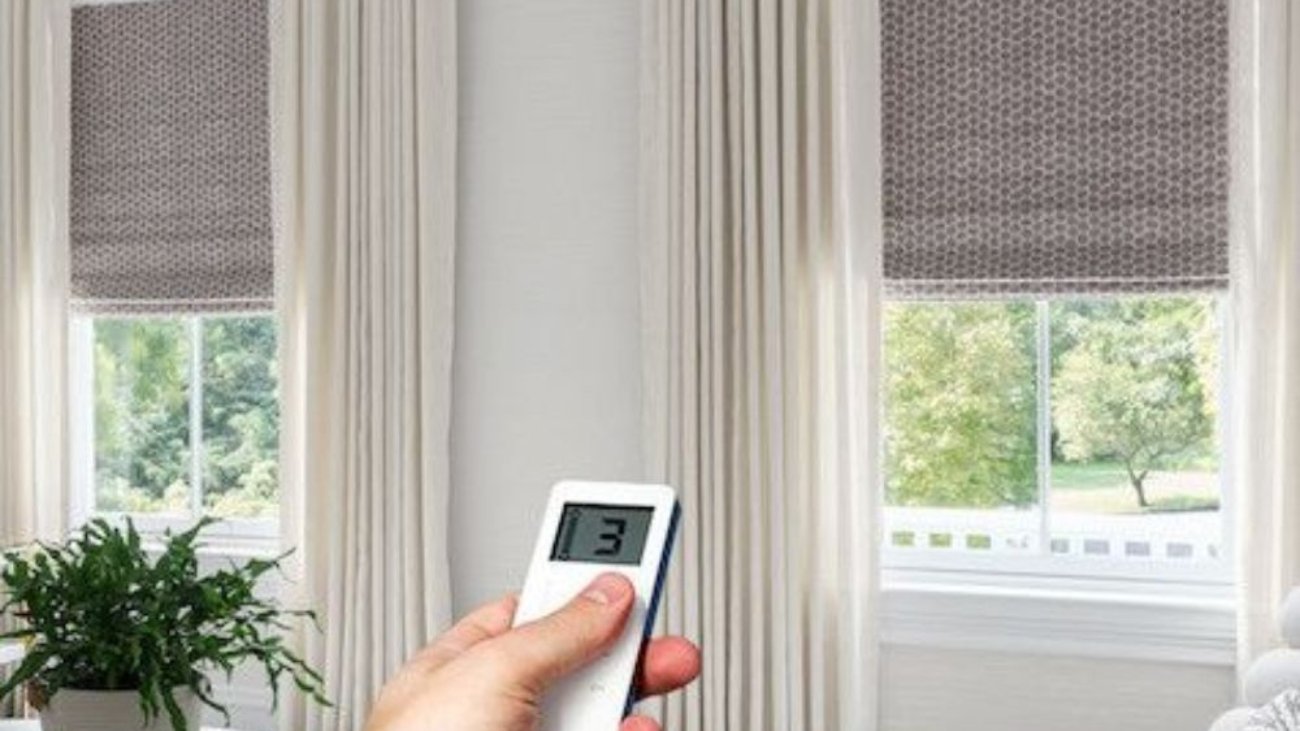
Many homeowners today are incorporating smart blinds into their setups. Motorized custom blinds can be connected to smart home systems like Google Home, Amazon Alexa, or Apple HomeKit — letting you control light and privacy with a voice command or scheduled automation.
This is particularly useful for hard-to-reach windows, large window installations, or anyone who values the convenience of automated routines. Custom blinds installation with motorization does cost more, but for the right home and lifestyle, it’s a genuinely useful upgrade.
Custom Blinds vs. Ready-Made Blinds
| Feature | Custom Blinds | Ready-Made Blinds |
| Fit | Exact to your window dimensions | Fixed sizes, often imprecise |
| Appearance | Tailored, polished, cohesive | Generic, may look out of place |
| Material Quality | Premium, long-lasting materials | Standard, variable quality |
| Longevity | 10–20 years | 2–5 years |
| Customization | Full — style, color, material, function | Very limited |
| Energy Efficiency | High, especially with proper fit | Lower — gaps reduce insulation |
| Cost | Higher upfront | Lower upfront |
| Overall Value | Stronger long-term return | Better for short-term or rental use |
Are Custom Blinds Worth the Higher Price?
The honest answer: yes, for most homeowners.
The upfront investment is real. Depending on materials and the number of windows, custom blinds installation can cost significantly more than a cart full of ready-made options. But the calculation changes when you factor in longevity.
If you replace cheap blinds every few years, those costs add up quickly — plus the hassle of measuring wrong, returning products, and living with imperfect results in the meantime. A set of well-made custom window blinds, installed correctly, can last the better part of two decades without needing replacement.
There’s also a daily comfort factor. Coming home to blinds that actually work the way you want them to — that block the right amount of light, that look sharp, that raise and lower smoothly — is a small but consistent quality-of-life improvement.
How to Choose the Right Custom Blinds
Before ordering, consider:
- Room requirements: Bedrooms need blackout or high-privacy options. Living rooms often benefit from light-filtering materials. Kitchens need moisture-resistant choices.
- Material selection: Wood and faux wood are popular for traditional looks. Aluminum works well for modern, minimalist spaces. Fabric options offer softness and warmth.
- Style preferences: Venetian, roller, Roman, and cellular are all available in custom sizes. Match the style to how the room is used and how you want it to feel.
- Light control needs: Think about how much natural light you want at different times of day — and whether glare, UV protection, or privacy is your primary concern.
- Budget: Set a realistic budget per window, then prioritize rooms where the upgrade will matter most.
Common Mistakes to Avoid
- Incorrect measurements: Even a small error throws off the fit entirely. Hire a professional measurer or double-check every dimension before ordering.
- Choosing style over functionality: A beautiful blind that doesn’t suit the room’s light or privacy needs will frustrate you daily.
- Ignoring energy-efficiency features: Not all blinds insulate equally. Ask specifically about energy-efficient blinds options when selecting materials.
- Hiring inexperienced installers: Poor installation undermines even the best blinds. Use a certified installer or a reputable company with verified reviews.
Frequently Asked Questions
How long do custom blinds last?
With proper care, most custom blinds last between 10 and 20 years. High-quality materials and professional installation both extend the lifespan significantly.
Are custom blinds more energy efficient?
Yes. Because they fit windows precisely — with no gaps — energy-efficient blinds in custom sizes provide better insulation than standard alternatives. Cellular shades offer the highest insulating value.
Can custom blinds increase home value?
They can. Quality window treatments signal well-maintained, thoughtfully designed spaces to potential buyers, which can support a higher asking price and faster sale.
Are motorized custom blinds worth it?
For large windows, high installations, or smart home setups, yes. Smart blinds add convenience and a modern feel. The higher cost makes the most sense when convenience and integration are priorities.
How much do custom blinds typically cost?
Costs vary widely based on material, size, and features. Basic custom blinds may start around $100–$200 per window, while premium or motorized options can run $300–$600 or more. Professional installation adds to the total but is usually worth it.
Conclusion
Custom blinds aren’t just a style upgrade — they’re a practical investment that pays off in comfort, energy savings, durability, and home value. The upfront cost is higher, but compared to repeatedly replacing low-quality ready-made options, the long-term math favors going custom.
If you’re ready to stop compromising on fit, light control, and appearance, custom window blinds are the right move. Start by identifying your highest-priority rooms, get professional measurements, and choose materials that match both your style and your functional needs. The results will speak for themselves.