

Energy costs keep climbing, and keeping your home comfortable year-round can feel like a losing battle. You crank the AC during scorching summers and blast the furnace through freezing winters, only to watch your utility bills skyrocket.
A massive amount of this temperature transfer happens right in front of you: through your windows. If you want to stop paying to heat and cool the neighborhood, you need a solution. This brings up an important question: Do blinds really help save energy?
The short answer is yes. Adding energy efficient blinds to your home acts as a crucial barrier against the elements. Let us explore exactly how these window treatments work, what the data says about their effectiveness, and how you can choose the best options to lower your monthly bills.
How Heat Loss and Heat Gain Work
To understand how blinds save money, you first need to understand how your windows lose it. Think of your windows as giant thermal holes in your walls. Even double-pane glass provides far less insulation than a standard insulated wall.
During the winter, heat moves from warmer areas to colder areas. The warm air generated by your furnace hits the cold window glass and cools down, causing your heating system to work overtime.
In the summer, the process reverses. Solar radiation passes directly through your window glass and heats up the objects inside your house. This acts like a greenhouse, trapping the heat and forcing your air conditioner to run constantly. Stopping this transfer of heat is the key to lowering your utility costs.
Do Blinds Actually Reduce Heat?
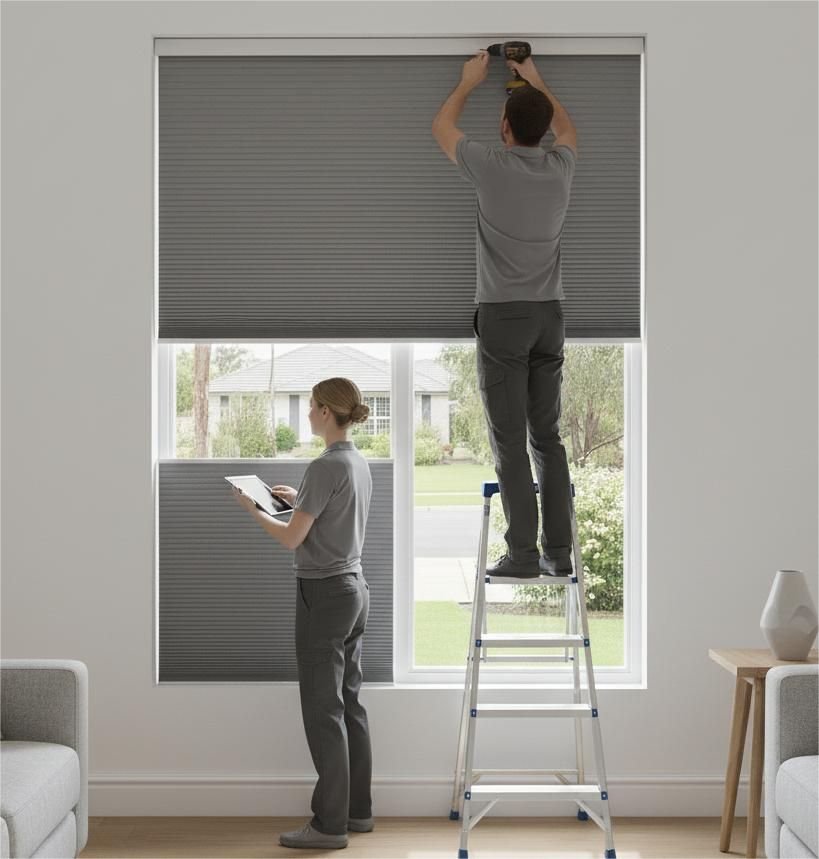
You might wonder if a simple piece of fabric or vinyl can actually fight off the blazing sun or the freezing snow. Do blinds reduce heat effectively? The data strongly supports their value.
According to energy research, standard windows account for roughly 25% to 30% of residential heating and cooling energy use. When you install highly reflective blinds and keep them fully closed on a sunny window, you can reduce heat gain by around 45%.
During the winter, tightly installed cellular shades can reduce heat loss through windows by up to 40%. This translates to roughly 10% to 20% savings on your overall heating and cooling bills. While blinds will not fix drafty, broken window frames, they absolutely slow down thermal transfer through the glass itself.
Types of Energy-Efficient Blinds
Not all window coverings perform equally when it comes to blocking temperatures. If you want the best insulation window treatments, you need to choose the right style.
Cellular (Honeycomb) Blinds
Cellular shades are the gold standard for window insulation. Look at them from the side, and you will see a honeycomb pattern. These open pockets trap air, creating a powerful thermal barrier between your room and the cold glass.
- How they improve insulation: Trapped air is an excellent insulator.
- Best use cases: Bedrooms and living rooms where maximum climate control is needed.
- Energy-saving potential: Extremely high.
Roller Blinds with Thermal Backing
Standard roller shades offer minimal insulation, but those equipped with a specialized thermal backing change the game. This reflective layer bounces solar radiation away from the house.
- How they improve insulation: The thick backing stops drafts and reflects sunlight.
- Best use cases: Sun-facing windows in kitchens or home offices.
- Energy-saving potential: High for summer cooling, moderate for winter heating.
Roman Blinds
Roman blinds feature thick fabric that folds up elegantly. When you use heavy materials and add a thermal lining, they become a thick blanket for your windows.
- How they improve insulation: Multiple layers of dense fabric block air movement.
- Best use cases: Formal dining rooms and spaces where decor is a priority.
- Energy-saving potential: Moderate to high, depending on the fabric thickness.
Vertical Blinds
Vertical blinds are common on sliding glass doors and large picture windows. While standard vinyl vertical blinds offer basic shade, you can upgrade to cellular vertical blinds for better performance.
- How they improve insulation: They create a basic physical barrier against sunlight.
- Best use cases: Wide doors and massive windows where horizontal blinds will not fit.
- Energy-saving potential: Moderate. They are great blinds for energy savings when protecting large, vulnerable glass surfaces.
Thermal Blinds Benefits
When you invest in high-quality window treatments, the thermal blinds benefits go far beyond simple light control. The science comes down to insulation layers and trapped air pockets.
During the summer, highly reflective thermal blinds bounce UV rays and solar heat right back out the window before they can warm up your furniture. This keeps your rooms naturally cooler.
In the winter, those same trapped air pockets prevent the warm air inside your home from making direct contact with the freezing glass. This dual-season protection means your HVAC system runs less often, extending the lifespan of your expensive heating and cooling equipment. Plus, these heavy materials naturally dampen outside noise, making your home quieter and more peaceful.
Real-World Performance & Limitations
While window treatments offer fantastic benefits, it pays to set realistic expectations. Blinds can drastically improve your home’s efficiency, but they are not magic.
The biggest factor affecting efficiency is the installation gap. If a blind sits too far away from the glass, air will simply flow around the edges of the fabric. This completely ruins the insulating effect.
Window type also matters. Putting a high-end cellular shade over a cracked, drafty single-pane window will help, but it will not solve the underlying air leak.
Pros:
- Immediate reduction in glare and solar heat gain.
- Noticeable drop in heating and cooling cycles.
- Vastly cheaper than replacing all your windows.
Cons:
- Require manual operation to get the best results (unless automated).
- Poor fit or installation eliminates the thermal benefits.
Additional Tips to Maximize Energy Savings
To get the most out of your window treatments, you need to use them strategically. Follow these tips to maximize your return on investment.
First, always opt for an inside mount if your window frames allow it. Mounting the blinds flush inside the frame positions them closer to the glass and seals off gaps on the sides.
Second, try layering. Combining a cellular shade with a heavy blackout curtain creates multiple air pockets. This layered approach offers incredible insulation during deep winter freezes.
Finally, practice smart usage. In the summer, close south- and west-facing blinds during the hottest parts of the day. In the winter, open them during the day to let the sun naturally warm the room, then shut them tight as soon as the sun goes down to trap the heat inside.
Cost vs Savings Analysis
Are these window upgrades financially worth it? Let us look at the numbers. High-quality thermal blinds require a higher upfront investment than cheap plastic alternatives. However, the long-term savings add up quickly.
If upgrading your blinds reduces your energy bill by 15%, a home spending $200 a month on heating and cooling saves roughly $360 a year. Depending on how many windows you cover and the cost of the blinds, most homeowners see a full return on their investment within three to five years. After that, the energy savings go straight back into your pocket.
Expert Insights
To truly optimize your home, keep these professional tips in mind:
- Caulk before you cover: Before installing new blinds, check your window frames for drafts. Apply fresh weatherstripping and caulk to ensure the actual window seal is tight.
- Automate your shades: Motorized, smart blinds can connect to your thermostat or a sun sensor. They will automatically open and close at the perfect times, ensuring maximum efficiency even when you are not home.
- Focus on the worst offenders first: You do not need to upgrade every window at once. Start by putting heavy thermal blinds on your large south-facing windows, as these take the brunt of the daily solar heat.
Conclusion
So, do window blinds really save energy? The data proves that well-chosen, properly installed blinds significantly reduce heat loss in the winter and heat gain in the summer. By creating protective air pockets and reflecting harsh sunlight, thermal window treatments take a massive load off your heating and cooling systems.
Take a walk around your house today. Stand near your biggest windows. Do you feel a draft? Is the afternoon sun baking your living room? If so, it is time to upgrade your window coverings. Investing in energy-efficient blinds will make your home more comfortable today and save you serious money tomorrow.