when-buying-window-blinds

10 Mistakes to Avoid When Buying Window Blinds

Buying window treatments sounds simple until you bring them home, try to install them, and realize they do not fit the frame. Suddenly, a fast weekend project turns into a frustrating ordeal.

Many first-time buyers and seasoned homeowners alike underestimate the process of selecting window coverings. Small errors, like measuring from the wrong angle or picking a heavy fabric for a damp bathroom, often lead to wasted money and ruined walls. If you want to get it right the first time, you need to know which buying blinds mistakes trip people up the most.

We created this practical guide to walk you through exactly what to watch out for, ensuring you find the perfect fit for your home.

Why Choosing the Right Blinds Matters

Window blinds do much more than just cover a glass pane. They play a massive role in how a room functions and feels.

When you select the right window treatments, you control exactly how much natural light enters your living space. You also protect your family from prying eyes and block harsh UV rays from fading your expensive furniture. Furthermore, quality blinds trap heat during the winter and block hot sun rays during the summer, saving you money on your monthly energy bills.

Expertise in window treatment selection comes down to balancing these practical needs with your personal home aesthetics.

The Top 10 Mistakes to Avoid When Buying Blinds
buying-window-blinds

Learning how to choose window blinds means learning from the errors of others. Here are the most common blinds problems buyers face and exactly how you can avoid them.

1. Not Measuring Windows Correctly

The Problem: Most people measure their windows once and assume every window in the room shares the exact same dimensions. They also fail to decide between an inside mount and an outside mount before using the tape measure.
The Consequence: You end up with blinds that scrape against the window frame, leave large light gaps on the sides, or do not fit into the window sill at all. Custom blinds are rarely refundable.
The Solution: Measure every single window individually. Use a steel tape measure, not a cloth one. For inside mounts, measure the width at the top, middle, and bottom, and use the narrowest number. Record measurements down to the nearest eighth of an inch.

2. Ignoring Light Control Needs

The Problem: Buyers often select a fabric or slat material based strictly on color, forgetting to check how much light passes through it.
The Consequence: You might install light-filtering shades in a bedroom, causing you to wake up at the crack of dawn. Alternatively, you might put heavy blackout blinds in a living room, making the space feel like a dark cave.
The Solution: Match the opacity to the room’s purpose. Use blackout materials for bedrooms and media rooms. Opt for light-filtering or sheer options in kitchens and living areas where you want natural sunshine.

3. Overlooking Privacy Requirements

The Problem: People assume that if a blind covers the window, it automatically provides total privacy.
The Consequence: You install loose-fitting slats or sheer shades in a ground-floor bathroom or bedroom. At night, when the lights are on inside, neighbors can see straight through the material.
The Solution: Test the material against a light source before buying. If privacy is a high priority, consider top-down bottom-up shades. These allow you to let light in from the ceiling while keeping the bottom half of the window completely covered.

4. Choosing Style Over Function

The Problem: It is easy to fall in love with a delicate, trendy Roman shade that looks beautiful in a magazine but requires two hands and careful pulling to operate.
The Consequence: You grow frustrated trying to open and close your blinds every day. Over time, delicate mechanisms break under daily use.
The Solution: Think about your daily routine. If you open a window covering several times a day, prioritize smooth, durable mechanisms over highly decorative but fragile styles.

5. Picking the Wrong Material

The Problem: Homeowners frequently put the same type of blind in every room to maintain a uniform look from the street.
The Consequence: Real wood blinds warp, crack, and peel when exposed to high humidity in bathrooms or above kitchen sinks.
The Solution: Match the material to the environment. Use faux wood or aluminum blinds in high-moisture areas like kitchens, bathrooms, and laundry rooms. Save real wood and delicate fabrics for dry, climate-controlled spaces like bedrooms and living rooms.

6. Not Considering Maintenance

The Problem: Buyers rarely think about how they will clean their window treatments until the dust piles up.
The Consequence: You buy slatted blinds or heavily textured fabrics for a dusty environment, leading to hours of frustrating, tedious cleaning every month.
The Solution: If you hate cleaning, look for low-maintenance options like roller shades or cellular shades. A quick wipe or a gentle vacuuming keeps them looking brand new.

7. Ignoring Energy Efficiency

The Problem: People view window coverings purely as decorations and ignore their insulating properties.
The Consequence: Drafty windows leak cold air in the winter and heat up your home in the summer, forcing your HVAC system to work overtime and driving up your utility bills.
The Solution: If you live in a region with extreme temperatures, invest in cellular shades. Their unique honeycomb design traps air, creating an excellent barrier between your home and the outside weather.

8. Forgetting About Child Safety Features

The Problem: Many buyers purchase standard blinds with dangling cords without thinking about who lives in or visits the home.
The Consequence: Exposed cords pose a severe strangulation hazard to young children and energetic pets.
The Solution: Always look for cordless options or motorized blinds if you have kids or pets. If you must use corded blinds, install safety cleats high up on the wall to keep cords completely out of reach.

9. Not Matching Interior Décor

The Problem: Buyers select a bold color or a highly patterned fabric in the store, failing to consider their existing wall color, furniture, or flooring.
The Consequence: The new blinds clash horribly with the room, making the space feel chaotic or disjointed.
The Solution: Bring physical fabric or material samples into your home before making a final purchase. Look at the samples against your walls during both daylight and evening hours.

10. Skipping Professional Advice

The Problem: Confident DIYers often assume they can handle complex measuring and tricky installations for massive bay windows or odd-shaped arches without any help.
The Consequence: You drill holes into structural headers or order expensive custom blinds that simply cannot mount to your specific window frame.
The Solution: When dealing with unusually shaped windows, heavy motorized systems, or whole-house projects, seek a consultation. A short conversation with a pro can save you hundreds of dollars in costly errors.

Quick Blinds Buying Guide

To make your shopping experience stress-free, follow this simple blinds buying guide checklist:

  • Determine your mounting style: Decide between inside mount (sleek, modern) or outside mount (hides window flaws, blocks more light).
  • Measure precisely: Use a steel tape measure. Check width and height in three different places.
  • Assess room needs: Identify the core function. Do you need a blackout shade, a moisture-resistant material, or high insulation?
  • Order samples: Never guess on colors. Get swatches delivered to your house first.
  • Check safety features: Go cordless if small children or animals live in the house.
  • Review warranties: Always check the return policy and the mechanical warranty before checking out.

Pro Tips from Experts

Looking for a few more tips for buying blinds? Here is what window treatment professionals want you to know:

  • Hide imperfect windows: If your window frames are uneven or old, choose an outside mount. It completely covers the flaws and gives the illusion of larger, perfectly square windows.
  • Layer your treatments: You do not have to pick just one option. Combine a simple light-filtering roller shade with heavy blackout curtains. This gives you absolute control over light and privacy.
  • Embrace motorization for hard-to-reach spots: If you have skylights or windows high up on vaulted ceilings, spend the extra money on motorized blinds. A remote control prevents you from dragging out a ladder every time the sun shifts.
  • Mind the depth: Before committing to an inside mount, check the depth of your window sill. If the sill is too shallow, the blind will stick out past the frame, ruining the clean look you wanted.

Conclusion

Selecting window treatments does not have to be a stressful chore. By taking the time to measure carefully, matching materials to your room’s specific environment, and prioritizing safety and function, you can totally transform your living space.

Avoid these common mistakes, use our expert tips, and take control of your home’s comfort. Grab a steel tape measure, assess your windows, and start planning your upgrade today. Your future self—and your energy bill—will thank you.
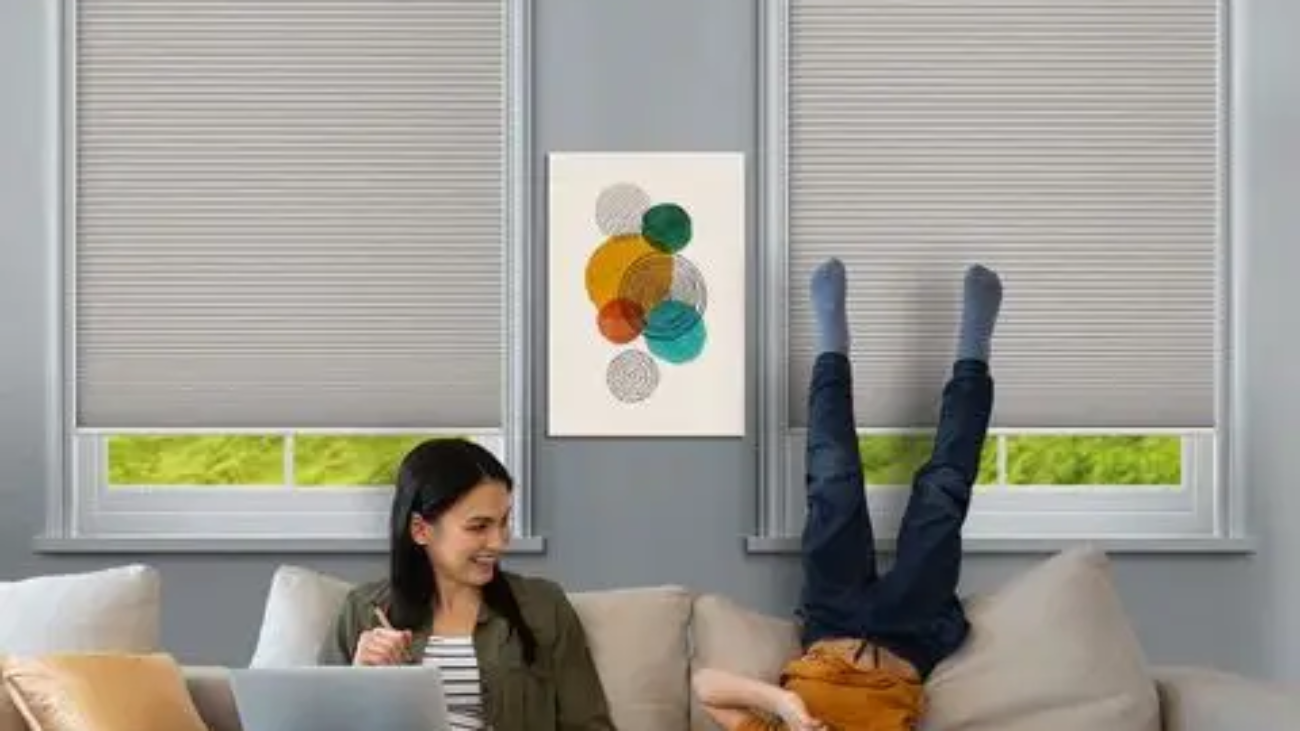
Do Window Blinds Really Save Energy

Do Window Blinds Really Save Energy? A Data-Driven Guide for Homeowners

Energy costs keep climbing, and keeping your home comfortable year-round can feel like a losing battle. You crank the AC during scorching summers and blast the furnace through freezing winters, only to watch your utility bills skyrocket.

A massive amount of this temperature transfer happens right in front of you: through your windows. If you want to stop paying to heat and cool the neighborhood, you need a solution. This brings up an important question: Do blinds really help save energy?

The short answer is yes. Adding energy efficient blinds to your home acts as a crucial barrier against the elements. Let us explore exactly how these window treatments work, what the data says about their effectiveness, and how you can choose the best options to lower your monthly bills.

How Heat Loss and Heat Gain Work

To understand how blinds save money, you first need to understand how your windows lose it. Think of your windows as giant thermal holes in your walls. Even double-pane glass provides far less insulation than a standard insulated wall.

During the winter, heat moves from warmer areas to colder areas. The warm air generated by your furnace hits the cold window glass and cools down, causing your heating system to work overtime.

In the summer, the process reverses. Solar radiation passes directly through your window glass and heats up the objects inside your house. This acts like a greenhouse, trapping the heat and forcing your air conditioner to run constantly. Stopping this transfer of heat is the key to lowering your utility costs.

Do Blinds Actually Reduce Heat?

Do Window Blinds Really Save Energy

You might wonder if a simple piece of fabric or vinyl can actually fight off the blazing sun or the freezing snow. Do blinds reduce heat effectively? The data strongly supports their value.

According to energy research, standard windows account for roughly 25% to 30% of residential heating and cooling energy use. When you install highly reflective blinds and keep them fully closed on a sunny window, you can reduce heat gain by around 45%.

During the winter, tightly installed cellular shades can reduce heat loss through windows by up to 40%. This translates to roughly 10% to 20% savings on your overall heating and cooling bills. While blinds will not fix drafty, broken window frames, they absolutely slow down thermal transfer through the glass itself.

Types of Energy-Efficient Blinds

Not all window coverings perform equally when it comes to blocking temperatures. If you want the best insulation window treatments, you need to choose the right style.

Cellular (Honeycomb) Blinds

Cellular shades are the gold standard for window insulation. Look at them from the side, and you will see a honeycomb pattern. These open pockets trap air, creating a powerful thermal barrier between your room and the cold glass.

  • How they improve insulation: Trapped air is an excellent insulator.
  • Best use cases: Bedrooms and living rooms where maximum climate control is needed.
  • Energy-saving potential: Extremely high.

Roller Blinds with Thermal Backing

Standard roller shades offer minimal insulation, but those equipped with a specialized thermal backing change the game. This reflective layer bounces solar radiation away from the house.

  • How they improve insulation: The thick backing stops drafts and reflects sunlight.
  • Best use cases: Sun-facing windows in kitchens or home offices.
  • Energy-saving potential: High for summer cooling, moderate for winter heating.

Roman Blinds

Roman blinds feature thick fabric that folds up elegantly. When you use heavy materials and add a thermal lining, they become a thick blanket for your windows.

  • How they improve insulation: Multiple layers of dense fabric block air movement.
  • Best use cases: Formal dining rooms and spaces where decor is a priority.
  • Energy-saving potential: Moderate to high, depending on the fabric thickness.

Vertical Blinds

Vertical blinds are common on sliding glass doors and large picture windows. While standard vinyl vertical blinds offer basic shade, you can upgrade to cellular vertical blinds for better performance.

  • How they improve insulation: They create a basic physical barrier against sunlight.
  • Best use cases: Wide doors and massive windows where horizontal blinds will not fit.
  • Energy-saving potential: Moderate. They are great blinds for energy savings when protecting large, vulnerable glass surfaces.

Thermal Blinds Benefits

When you invest in high-quality window treatments, the thermal blinds benefits go far beyond simple light control. The science comes down to insulation layers and trapped air pockets.

During the summer, highly reflective thermal blinds bounce UV rays and solar heat right back out the window before they can warm up your furniture. This keeps your rooms naturally cooler.

In the winter, those same trapped air pockets prevent the warm air inside your home from making direct contact with the freezing glass. This dual-season protection means your HVAC system runs less often, extending the lifespan of your expensive heating and cooling equipment. Plus, these heavy materials naturally dampen outside noise, making your home quieter and more peaceful.

Real-World Performance & Limitations

While window treatments offer fantastic benefits, it pays to set realistic expectations. Blinds can drastically improve your home’s efficiency, but they are not magic.

The biggest factor affecting efficiency is the installation gap. If a blind sits too far away from the glass, air will simply flow around the edges of the fabric. This completely ruins the insulating effect.

Window type also matters. Putting a high-end cellular shade over a cracked, drafty single-pane window will help, but it will not solve the underlying air leak.

Pros:

  • Immediate reduction in glare and solar heat gain.
  • Noticeable drop in heating and cooling cycles.
  • Vastly cheaper than replacing all your windows.

Cons:

  • Require manual operation to get the best results (unless automated).
  • Poor fit or installation eliminates the thermal benefits.

Additional Tips to Maximize Energy Savings

To get the most out of your window treatments, you need to use them strategically. Follow these tips to maximize your return on investment.

First, always opt for an inside mount if your window frames allow it. Mounting the blinds flush inside the frame positions them closer to the glass and seals off gaps on the sides.

Second, try layering. Combining a cellular shade with a heavy blackout curtain creates multiple air pockets. This layered approach offers incredible insulation during deep winter freezes.

Finally, practice smart usage. In the summer, close south- and west-facing blinds during the hottest parts of the day. In the winter, open them during the day to let the sun naturally warm the room, then shut them tight as soon as the sun goes down to trap the heat inside.

Cost vs Savings Analysis

Are these window upgrades financially worth it? Let us look at the numbers. High-quality thermal blinds require a higher upfront investment than cheap plastic alternatives. However, the long-term savings add up quickly.

If upgrading your blinds reduces your energy bill by 15%, a home spending $200 a month on heating and cooling saves roughly $360 a year. Depending on how many windows you cover and the cost of the blinds, most homeowners see a full return on their investment within three to five years. After that, the energy savings go straight back into your pocket.

Expert Insights

To truly optimize your home, keep these professional tips in mind:

  1. Caulk before you cover: Before installing new blinds, check your window frames for drafts. Apply fresh weatherstripping and caulk to ensure the actual window seal is tight.
  2. Automate your shades: Motorized, smart blinds can connect to your thermostat or a sun sensor. They will automatically open and close at the perfect times, ensuring maximum efficiency even when you are not home.
  3. Focus on the worst offenders first: You do not need to upgrade every window at once. Start by putting heavy thermal blinds on your large south-facing windows, as these take the brunt of the daily solar heat.

Conclusion

So, do window blinds really save energy? The data proves that well-chosen, properly installed blinds significantly reduce heat loss in the winter and heat gain in the summer. By creating protective air pockets and reflecting harsh sunlight, thermal window treatments take a massive load off your heating and cooling systems.

Take a walk around your house today. Stand near your biggest windows. Do you feel a draft? Is the afternoon sun baking your living room? If so, it is time to upgrade your window coverings. Investing in energy-efficient blinds will make your home more comfortable today and save you serious money tomorrow.

What to Expect During a Professional Blinds Installation

Upgrading your window treatments brings fresh style and function to your home. However, the thought of actually putting them up often sparks anxiety. You might worry about drilling into the wrong spot, mismeasuring expensive materials, or simply lacking the free time to tackle the project.

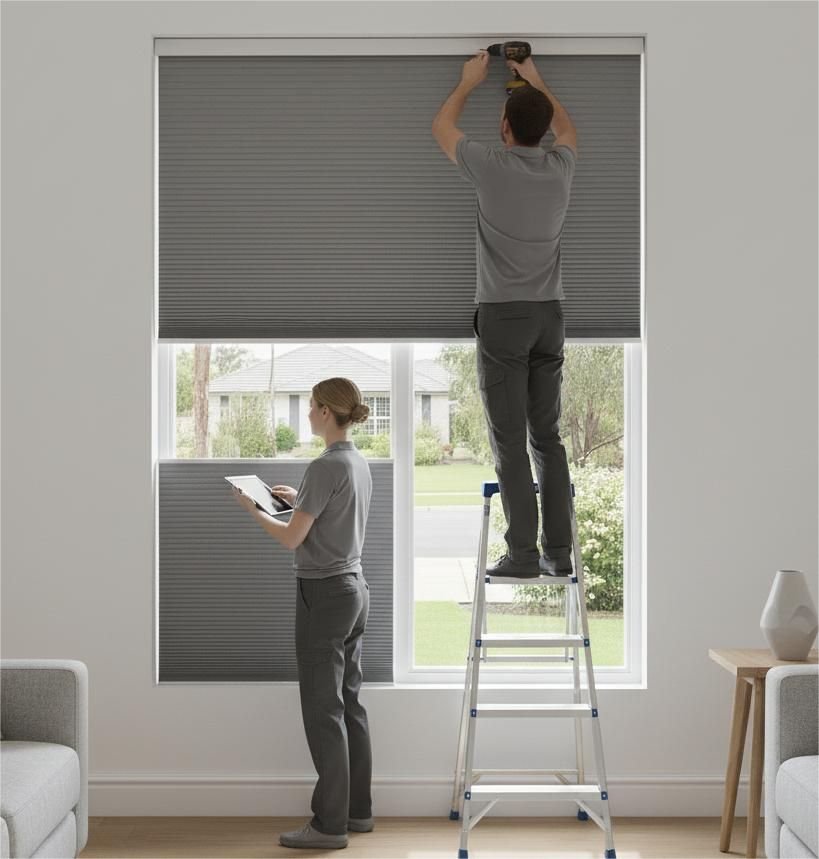
Hiring experts eliminates these headaches completely. A professional blinds installation guarantees your window coverings look perfect and operate flawlessly from day one. Instead of spending your weekend wrestling with brackets and confusing instructions, you can relax while experienced technicians handle the heavy lifting. This guide breaks down exactly what happens when you let the pros take charge.

Why Choose Professional Blinds Installation?

Many homeowners initially consider the DIY route to save money. Unfortunately, mounting window treatments requires precise measurements and specialized tools. A fraction of an inch off can result in crooked shades or hardware that tears out of the drywall.

Professional installers bring years of hands-on experience to your home. They understand how different materials behave and know the exact anchoring systems needed for drywall, plaster, or wood. This expertise ensures precision, efficiency, and long-lasting durability. When you hire professionals, you invest in peace of mind knowing your window treatments will hang securely and function perfectly for years.

The Pre-Installation Process

Long before the tools come out, the preparation stage sets the foundation for success. The journey begins with a detailed consultation. An expert visits your home to take precise measurements of every window. They account for window depth, frame irregularities, and any obstructions like window cranks or molding.

Next comes product selection. Based on your lifestyle and aesthetic goals, the consultant helps you choose the perfect materials, colors, and operating mechanisms. Once your products arrive, the company schedules a convenient time to complete your custom blinds installation service. You receive clear communication about arrival times and what to expect on the big day.

Step-by-Step Blinds Installation Process

Understanding the blinds installation process helps you prepare your home for the crew’s arrival. While specific steps vary slightly based on the product, you can generally expect a systematic approach. Here is exactly how blinds are installed by industry experts:

Site Inspection and Preparation
The installer begins by inspecting the work area. They lay down drop cloths to protect your floors and furniture from dust and debris. They also verify that the delivered products perfectly match the measurements taken during the consultation.

Measuring and Marking
Even with pre-measured custom blinds, the installer measures the frame again before drilling. They use a pencil to mark the exact placement for the mounting hardware, ensuring perfect symmetry and alignment.

Mounting Brackets
Using the correct anchors for your specific wall material, the technician securely attaches the mounting brackets. This step requires immense precision, as the brackets bear the entire weight of the window treatment.

Installing the Blinds
With the brackets firmly in place, the installer carefully mounts the headrail into the hardware. They snap everything into position, making sure the locking mechanisms engage fully.

Testing Functionality
Finally, the technician tests the product. They raise, lower, and tilt the blinds multiple times to confirm smooth operation. If they install motorized shades, they program the remotes and demonstrate how to use the smart home features.

Tools & Techniques Used by Professionals

Proper installation requires more than a simple screwdriver. Professional installers arrive with a fully stocked toolkit tailored for window treatments. They use high-quality power drills with specialized bits to prevent wood splintering or drywall damage. Laser levels and professional-grade measuring tapes ensure flawless horizontal and vertical alignment.

Beyond the tools, experts use refined techniques to guarantee safety. They know exactly how to locate studs and when to use heavy-duty toggle bolts instead of standard plastic anchors. This technical knowledge prevents the disastrous scenario of heavy wooden blinds crashing down due to insufficient support.

Common Challenges & How Experts Handle Them

Homes rarely feature perfectly square windows. Older houses often have uneven frames, sloping sills, or slightly bowed walls. A DIY installer might panic when a rectangular blind refuses to fit into a crooked frame. Professionals handle these structural quirks daily.

Experts use specialized shims to level the brackets perfectly, even if the window frame itself sits at an angle. For massive, oversized windows, they know how to link multiple blind segments smoothly under a single valance. If they encounter hidden pipes or wiring behind the drywall, they safely adjust the mounting position without compromising the final look.

Timeline: How Long Does Installation Take?

Time efficiency remains one of the greatest benefits of hiring a pro. An experienced technician can typically install a standard set of blinds in 15 to 30 minutes. If you are outfitting an entire house with 10 to 15 windows, the crew will likely finish the job in just a few hours.

Several factors can extend this timeline. Motorized shades require extra time for programming and testing. Installing treatments on second-story windows or high vaulted ceilings also takes longer due to the scaffolding or tall ladders required. However, your installation team will always provide a realistic time estimate before they begin working.

After Installation: What Homeowners Should Check

Before the installers pack up their trucks, they will walk you through the finished project. Treat this as your personal window blinds fitting guide. You should visually inspect the alignment to ensure everything sits level and flush against the window frame.

Test the operation yourself. Pull the cords, push the cordless bottom rail, or use the motorized remote to ensure smooth, quiet movement. Verify all safety features, especially cord cleats and tension devices designed to protect children and pets. Finally, expect a spotless home. True professionals clean up all drilling dust, pack up the packaging materials, and leave your rooms looking pristine.

Maintenance Tips for Long-Lasting Blinds

Your new window treatments will look beautiful on day one, and a little upkeep keeps them that way. Dust your blinds weekly using a microfiber cloth or a vacuum attachment with a soft brush. For sticky spots or deeper cleaning, use a lightly damp cloth, but avoid harsh chemical cleaners that can warp wood or fade fabrics.

Always operate your blinds gently. Jerking the cords or pulling cordless shades from the corner instead of the center can damage the internal lifting mechanisms. If your blinds ever become stuck, refuse to lower, or feature a frayed cord, stop using them immediately. Call your professional installation team to schedule a quick repair rather than forcing the mechanism and causing permanent damage.

Conclusion

Upgrading your home with new window treatments should be an exciting, stress-free experience. By understanding what to expect, you can confidently hand the reins over to the experts. They bring the right tools, advanced techniques, and a keen eye for detail to ensure your project turns out flawlessly.

Skip the frustration of uneven brackets and confusing hardware instructions. Choose a professional installation service to protect your investment and elevate your home’s interior with perfectly placed, beautifully functioning blinds.

Blinds for Sliding Glass Doors

Best Blinds for Sliding Glass Doors: Top Options for Style & Privacy

Sliding glass doors bring beautiful natural light and clear outdoor views right into your living space. However, those massive panels of glass also present immediate challenges. Without the right window coverings, you face a lack of privacy, harsh afternoon glare, and shifting indoor temperatures.

Leaving large glass surfaces uncovered simply is not an option for most homeowners. Finding the perfect balance between functionality and interior design matters. We will help you navigate the top styles, materials, and operating systems so you can find the best blinds for sliding glass doors that match your specific needs.

Why Sliding Glass Doors Need Specialized Blinds

Treating a sliding door is very different from covering a standard bedroom window. These wide openings endure high foot traffic and constant use. Because you frequently open and close the door, your window treatments must glide smoothly without getting in the way.

Standard horizontal blinds often fail here. They are heavy to lift over wide spans, and the pull cords become tangled easily. Furthermore, the sheer size of the glass means your room absorbs massive amounts of sunlight. You need specialized blinds for patio doors that offer durability, simple operation, and strong UV protection. Expertly chosen blinds will slide seamlessly alongside your door, protecting your floors and furniture from sun damage while standing up to daily wear and tear.

Top Blinds Options for Sliding Glass Doors

Choosing the right window treatment comes down to your lifestyle, budget, and design preferences. Here are the leading options on the market right now.

Vertical Blinds

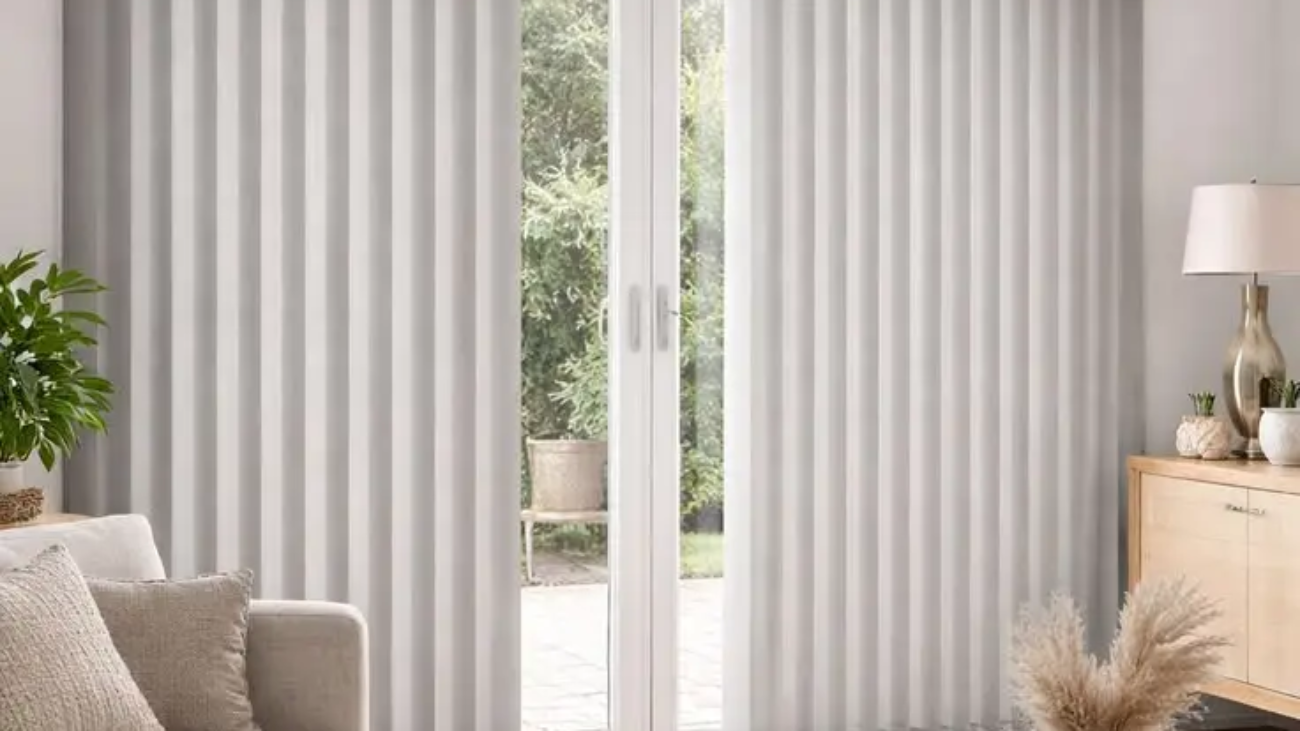
When people think of patio doors, they usually picture vertical blinds. Today, vertical blinds for sliding glass doors have evolved far past the noisy PVC styles of the past. You can now choose from high-quality fabrics, textured vinyl, and even faux wood materials.

  • Features and benefits: They are budget-friendly, incredibly easy to clean, and allow for precise light control by simply tilting the vanes.
  • Ideal use cases: Homes with pets or small children, as the vanes can easily be wiped down.
  • Style and functionality: Modern vertical blinds offer quiet, smooth tracking systems and sleek designs that blend into contemporary rooms.

Panel Track Blinds

If you want fresh sliding door blinds ideas, look no further than panel track blinds. These feature large fabric panels that slide back and forth on a dedicated track system.

  • Features and benefits: They offer a clean, streamlined appearance. You can choose from hundreds of fabrics, including solar materials that block UV rays while preserving your view.
  • Ideal use cases: Large, modern spaces and oversized glass doors.
  • Style and functionality: They double perfectly as room dividers. When fully open, the panels stack neatly behind one another.

Roller Blinds

You might think roller shades only work for standard windows, but they are excellent modern blinds for large windows and sliding doors when installed correctly.

  • Features and benefits: They offer a highly minimalist look. Instead of sliding side-to-side, they roll up and completely out of the way.
  • Ideal use cases: Rooms where you want an unobstructed view during the day.
  • Style and functionality: For sliding doors, we recommend installing two or three separate roller blinds side-by-side on one headrail. This allows you to keep one side down to block the sun while leaving the actual doorway completely open for foot traffic.

Cellular (Honeycomb) Shades

Cellular shades are the ultimate energy-saving solution. Their unique honeycomb structure traps air, creating an insulating barrier between your room and the glass.

  • Features and benefits: Exceptional insulation and sound absorption.
  • Ideal use cases: Homes in climates with extreme summer heat or harsh winters.
  • Style and functionality: You can purchase vertical cellular shades that glide effortlessly on a track, providing top-tier energy efficiency without sacrificing style.

Sheer Vertical Shades

Sheer vertical shades combine the flowing elegance of drapery with the light control of traditional blinds.

  • Features and benefits: They feature vertical vinyl vanes wrapped in a delicate sheer fabric.
  • Ideal use cases: Formal living rooms and dining rooms where aesthetics are the top priority.
  • Style and functionality: You can rotate the vanes open to let diffused light filter through the sheer fabric, or close them entirely for full privacy.

Style & Design Considerations

Your sliding doors take up significant visual space in your room. Therefore, your blinds will act as a major design element. When matching blinds with your interior décor, focus on color, material, and texture.

For a seamless look, match the color of your blinds to your wall paint or trim. This helps the large window covering blend into the background. If you want a bold statement, choose a contrasting dark fabric or a rich woven wood texture. Keep in mind that vertical lines draw the eye upward, making ceilings appear taller, while wide track panels provide a grounding, modern aesthetic.

Privacy & Light Control Solutions

One of your primary goals should be managing how much light enters the room and who can see inside.

If your sliding door faces a busy street or a neighbor’s yard, prioritize privacy blinds for sliding doors. Opaque materials and blackout fabrics guarantee that nobody can see inside at night when your interior lights are on. Blackout options are also perfect for bedrooms with sliding doors or media rooms where you need absolute darkness.

Alternatively, light-filtering fabrics are excellent for kitchens and living rooms. They block harmful UV rays and obscure the view from the outside, while still illuminating your space with a soft, natural glow.

Installation & Practical Tips

Proper installation dictates how well your blinds will function over the years.

Inside Mount vs. Outside Mount:
For sliding glass doors, an outside mount is almost always the better choice. Sliding doors usually feature shallow frames and protruding handles. Mounting the blinds outside and above the door frame ensures the fabrics clear the door handle and glide without obstruction.

Operation and Maintenance:
Consider upgrading to a motorized wand or a cordless system. These remove dangling cords, making your home significantly safer for children and pets. For maintenance, vinyl and faux wood materials only require a quick wipe with a damp cloth, while fabric panels might need occasional vacuuming with an upholstery attachment.

Pros and Cons Comparison Table

Blind TypeProsCons
Vertical BlindsAffordable, easy to clean, excellent light controlCan be noisy in a breeze, traditional look
Panel Track BlindsModern aesthetic, great for wide doors, fabric varietyRequires ample wall space for panels to stack
Roller BlindsMinimalist, disappears when rolled upMust be rolled completely up to walk through
Cellular ShadesUnmatched insulation, soft appearanceHarder to clean, fabrics can stain
Sheer VerticalsHighly elegant, diffuses harsh light beautifullyMore expensive, delicate fabrics

Real-Life Use Case

Consider the experience of the Miller family. Their west-facing living room features a massive sliding glass door leading to the patio. Every afternoon, intense sunlight heated the room to uncomfortable levels and created an unbearable glare on their television.

Standard horizontal blinds were too heavy for the wide opening and did little to stop the heat. We recommended installing vertical cellular shades. The honeycomb structure immediately blocked the afternoon heat, lowering their cooling costs. Because the shades glide on a track, the family can easily push them aside to let the dogs out. They achieved perfect temperature control while maintaining a soft, stylish look in their living area.

Expert Tips

To ensure you get the absolute best results from your new window treatments, keep these professional tips in mind:

  1. Account for Stackback: “Stackback” is the amount of space your blinds take up when fully opened. Extend your headrail past the door frame so the blinds stack against the wall, not over the glass. This preserves your view and doorway access.
  2. Clear the Handle: Always measure the depth of your sliding door handle. Use extension brackets if necessary to keep the blinds from catching on the hardware.
  3. Prioritize Safety: If you have young children or pets, insist on cordless operation or a wand-control system.
  4. Order Fabric Samples: Colors look different on a computer screen. Order free fabric swatches to test against your wall paint and see how they look in your room’s natural lighting.
  5. Consider Motorization: If you have exceptionally large doors, a motorized track system allows you to open and close your heavy blinds with the push of a button.

Conclusion

Choosing the right window treatments for your large glass surfaces does not have to be overwhelming. Whether you prefer the classic utility of vertical blinds, the modern elegance of panel tracks, or the energy efficiency of cellular shades, there is a perfect solution for your home.

Focus on how you use the door daily, your specific lighting needs, and your overall interior design. By selecting the best blinds for sliding glass doors, you elevate your home’s aesthetic while gaining total control over privacy and comfort. Start measuring your doors today, order a few material samples, and take the first step toward transforming your living space.

home-with-custom-blinds

How We Transformed a Home with Custom Blinds

Have you ever walked into your living room and felt overwhelmed by the blinding afternoon sun? Many homeowners struggle with outdated window treatments that fail to block harsh light or protect their family’s privacy. Living with broken, inefficient shades can make even the most beautiful room feel uncomfortable and uninviting.

We recently worked with a local family facing this exact issue. They needed a highly functional, stylish update for their living spaces. This article walks you through their complete custom blinds makeover. We will show you exactly how the right window treatments can completely change the look, feel, and energy efficiency of your home.

Client Background: The Challenge of Outdated Windows

Meet Sarah and Mark, homeowners who recently moved into a beautiful mid-century property. While they loved the architectural bones of the house, the existing plastic mini-blinds were a complete disaster. The cheap, yellowing materials clashed aggressively with their modern furniture. Worse, the flimsy slats provided zero privacy from the busy street outside their front door.

The afternoon sun blasted through their large living room windows every day. This caused an unbearable glare on their television and started fading their expensive hardwood floors. They desperately needed a home window upgrade blinds solution that could fix these functional flaws. They wanted something that would simultaneously elevate the room’s interior design and restore their home’s comfort.

Assessment: Our Expert Consultation Process

Our team stepped in to evaluate their unique space. Proper window treatments require precise measurements and a deep understanding of light dynamics. During our initial in-home consultation, we assessed the direction each window faced to determine the exact sun exposure. The south-facing living room needed serious UV protection. Meanwhile, the street-facing bedrooms required total privacy without sacrificing natural light during the daytime.

We walked Sarah and Mark through a variety of high-quality material samples. We discussed how humidity affects real wood in the kitchen and why certain woven fabrics provide better thermal insulation. We also carefully measured the depth of each window frame to ensure a seamless inside-mount fit. By applying our professional expertise, we helped them narrow down the vast market options to a few perfect choices.

The Solution: Selecting the Perfect Custom Blinds

Finding the perfect balance between style and function requires exploring diverse blinds transformation ideas. We took a customized approach for each room based on its specific daily use.

Motorized Solar Shades for the Living Room

For the main living area, we selected motorized solar roller shades. These innovative shades block harmful UV rays and reduce intense heat while preserving the couple’s beautiful outdoor view. The motorization aspect allowed them to control the lighting with a simple push of a button or through their smartphone.

Rich Wooden Venetians for the Bedrooms

In the bedrooms, we installed rich, wooden Venetian blinds layered with heavy-duty blackout capabilities. The deep wood finish added a warm, natural texture that perfectly complemented their mid-century aesthetic. The blackout feature guaranteed a restful night’s sleep by blocking out streetlights completely.

Moisture-Resistant Faux Wood for High-Humidity Areas

Finally, we chose moisture-resistant faux wood blinds for the kitchen and master bathroom. Real wood can warp or crack when exposed to steam and moisture over time. Faux wood offers the identical elegant look of real wood while ensuring long-lasting durability in humid conditions.

The Installation Process: Precision and Care

Installing custom window treatments requires strict precision and the right professional tools. Our certified installation team arrived on schedule to begin the home transformation. We started by laying down drop cloths to protect the client’s floors and furniture. We then prepped each window frame, ensuring all mounting surfaces were perfectly clean and level.

Using laser-guided measuring tools, we installed the heavy-duty brackets directly into the structural studs. This crucial step guarantees that heavy wooden blinds will never sag or pull away from the wall over time. We carefully mounted each shade, testing the motorized tracks multiple times for smooth, quiet operation.

Finally, our technicians performed a rigorous quality check. We adjusted the tension strings, synced the smart home remote controls, and inspected every single slat for perfect alignment. We never leave a job site until the installation meets our strict standard of excellence.

The Big Reveal: Before and After Transformation

The difference in the home was immediate and striking. Before the project, the yellowing plastic blinds made the rooms feel incredibly cheap and dated. The harsh lighting cast awkward shadows and made the spaces physically uncomfortable during the day.

The before and after window blinds comparison left the homeowners absolutely speechless. Now, soft, diffused light fills the living room, creating a warm and inviting ambiance. The motorized shades roll up seamlessly into sleek cassettes, revealing crisp, clean window profiles.

The rich wooden textures in the bedrooms instantly elevated the interior design, making the spaces feel like a luxury boutique hotel. The entire house looks modern, polished, and thoughtfully designed. The windows are no longer an eyesore; they are a standout architectural feature.

Tangible Results and Everyday Benefits

Upgrading window treatments goes far beyond simple interior aesthetics. Sarah and Mark experienced immediate, tangible functional benefits. The solar roller shades dramatically reduced the afternoon glare, allowing them to watch television comfortably at any hour. They also protected their artwork and hardwood floors from further sun damage.

They also noticed a significant drop in their living room temperature during peak sunlight hours. This improved thermal insulation means their air conditioning system works much less, which helps lower their monthly energy bills. The bedroom Venetian blinds provided the exact level of precise privacy they desired. They can now tilt the louvers slightly to let in fresh air while completely blocking the view from the sidewalk.

Customer Testimonial

Hearing directly from our clients highlights the true value of a professional window upgrade. Sarah shared her thoughts a few weeks after the installation project was completed:

We honestly didn’t realize how much the old blinds were dragging down the look of our home until the new ones went up. The team was incredibly professional from start to finish. The motorized shades in our living room are an absolute game-changer. Our house stays so much cooler now, and we finally have the privacy we wanted in the bedrooms. It feels like a completely different house!

Key Takeaways from the Project

Every home improvement project offers valuable lessons for homeowners. Here are the most important takeaways from this successful transformation:

  • Professional measurements matter: Even a quarter-inch mistake can ruin the functionality and aesthetic look of inside-mount blinds.
  • Direction dictates material: Sun-facing windows need heavy UV-blocking materials, while humid rooms require moisture-resistant finishes like faux wood.
  • Motorization adds serious value: Automated shades offer incredible daily convenience and improve child safety by eliminating dangling cords.
  • Layering increases your options: Combining traditional blinds with modern blackout features gives you ultimate control over room light and privacy.

Conclusion: Ready for Your Own Upgrade?

Upgrading your window treatments is one of the smartest investments you can make in your property. It improves your daily comfort, lowers your energy costs, and instantly modernizes your interior design. We hope this real blinds installation case study shows you the incredible impact professional window treatments can have on a space.

Are you tired of wrestling with broken, outdated, or inefficient window shades? You do not have to live with poor lighting and zero privacy. Contact our expert team today to schedule your personalized in-home consultation. Let us help you find the perfect custom blinds to transform your home.