
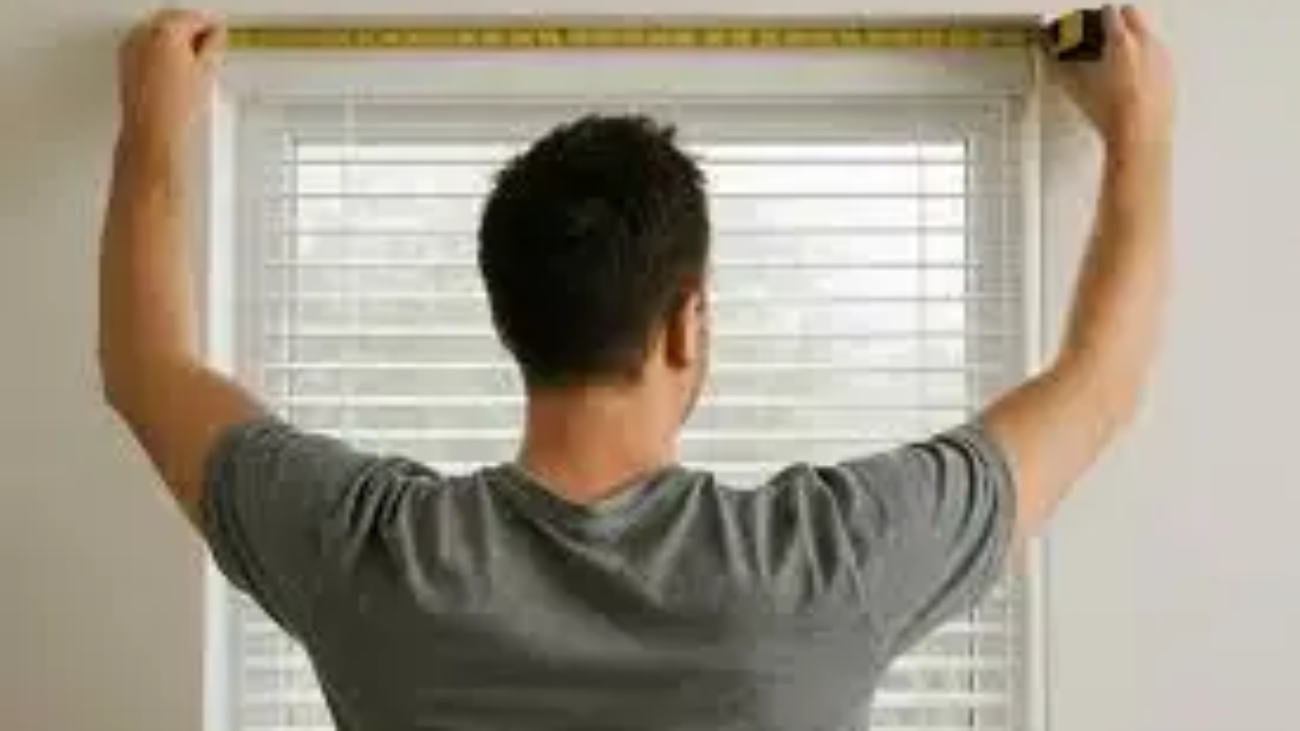
How to Measure Your Windows

How to Measure Your Windows for Perfectly Fitted Blinds

Buying new window treatments is an exciting way to upgrade your home, but the process can quickly become stressful if you get the sizes wrong. A fraction of an inch can be the difference between a seamless, professional look and a frustrating, poorly fitting fixture that lets light leak in. If you want to learn how to measure windows for blinds correctly, you are in the right place.

Getting precise measurements is essential because incorrect sizing wastes your hard-earned money and delays your project. From professional installers’ experience, we know that success comes down to choosing between an inside mount or an outside mount, and using the right tools for the job. Read on to master the exact industry-standard methods you need for a flawless installation.

Why Accurate Window Measurement Matters

You might wonder if you can just estimate the size of your window. The short answer is no. Taking the time to measure precisely offers several crucial benefits:

  • Perfect Fit: A snug fit provides better light control and ensures maximum privacy for your family.
  • Improves Aesthetics: Correctly sized blinds look custom-made, elevating the overall design of your room.
  • Avoids Gaps or Overlapping: Too small, and you get annoying light gaps. Too large, and the blinds will scrape against the frame or look bulky.
  • Saves Money and Time: Custom window treatments are often non-refundable. Measuring correctly the first time prevents costly reorders and frustrating delays.

Tools You Need to Measure Windows for Blinds

Before you start writing down numbers, gather the right equipment. Using the wrong tools is a common trap that leads to faulty data.

  • Steel measuring tape: Never use a cloth tape measure. Cloth stretches over time and bends, leading to inaccurate readings.
  • Pencil and notebook: Write down every measurement immediately to avoid memory errors.
  • Step ladder: Use a stable ladder if you need to reach high windows securely.
  • Metal ruler (optional): This helps measure exact depth requirements for brackets.

Understand Mount Types Before Measuring

You must decide how you want to mount your window coverings before you take a single measurement. Your choice determines exactly where and how you measure.

Inside Mount Blinds

Inside mount blinds are installed entirely inside the window frame. This creates a clean, modern look that highlights your window molding. Because the fixture sits flush within the frame, inside mounts require incredibly precise measurements. You must also ensure your window frame has enough depth to hold the mounting brackets.

Outside Mount Blinds

Outside mount blinds attach above the window opening, either on the window trim or directly onto the wall. This style is ideal for small, shallow, or uneven windows. It also offers superior light blocking because the material overlaps the window opening, eliminating side gaps.

FeatureInside MountOutside Mount
LookClean, minimalist, shows off trimBold, makes windows look larger
Light ControlSmall side gaps may let light inExcellent light blockage
Precision NeededExtremely highModerate (allows for overlap)
Window DepthRequires minimum depthNo depth requirement

How to Measure Windows for Inside Mount Blinds (Step-by-Step)

If you chose an inside mount, follow this exact process to ensure a snug fit.

Step 1: Measure Width

Place your steel measuring tape inside the window frame. Measure the width in three places: the top, the middle, and the bottom. Write down all three numbers. Circle the smallest measurement. The factory will use this smallest width to ensure the hardware clears the frame without scraping the sides.

Step 2: Measure Height

Next, measure the height from the top inside edge of the window frame down to the windowsill. Do this on the far left, the center, and the far right. Write down all three numbers. This time, circle the longest measurement. Using the longest height ensures your blinds will reach all the way to the bottom and provide full coverage.

Step 3: Measure Depth

Measure the depth of your window frame from the glass to the outer edge of the casing. Check the manufacturer’s product guide to see the “minimum depth requirement.” If your window is too shallow, the headrail will stick out, or you may not be able to install an inside mount at all.

Pro Tip: Always measure in exact inches down to the nearest 1/8th of an inch. Do not round your numbers up or down. Precision is the key to a professional fit.

How to Measure Windows for Outside Mount Blinds

Outside mounts are slightly more forgiving, but you still need a methodical approach to guarantee good coverage.

Step 1: Measure Width

Measure the width of the window opening. To ensure the blinds block light effectively and cover the frame entirely, add extra inches to this measurement. Industry best practices recommend adding 2 to 4 inches to each side (4 to 8 inches total).

Step 2: Measure Height

Decide exactly where you want to place the headrail. Usually, installers place the top mounting point 2 to 3 inches above the window frame to prevent light from leaking over the top. Measure from this top mark down to your desired length. If you have a protruding sill, measure down to the sill. If the sill does not stick out, you can measure past it for maximum coverage.

Step 3: Consider Overlap

Review your final numbers to ensure adequate overlap on all four sides. Proper overlap is the secret to getting a room truly dark and maintaining total privacy.

Standard Window Sizes vs Custom Measurements

You might think you can just buy standard sizes at the hardware store. However, not all windows are standard. As houses settle over time, window frames shift, meaning a window that looks perfectly square rarely is.

If your measurements match off-the-shelf dimensions exactly, standard blinds can save you money. However, if your measurements are off by even a quarter of an inch, you should choose custom blinds. Custom options give you total control over the exact fit, style, and functionality.

Common Mistakes to Avoid When Measuring Windows for Blinds

Even DIY veterans make mistakes. Keep your project on track by avoiding these common errors:

  • Using fabric tape instead of steel: Cloth bends and stretches, ruining your accuracy.
  • Rounding measurements: Rounding to the nearest half-inch will result in fixtures that are too tight or too loose.
  • Measuring only once: Measure twice to verify your numbers before placing an order.
  • Ignoring depth: Failing to check depth means your inside mount brackets might not fit.
  • Confusing width and height: Always format your numbers as Width x Height. Mixing these up is the number one reason for returns.

Expert Tips for Perfect Blind Fit

Drawing from years of professional installation experience, here are a few advanced tips to ensure success:

  • Measure twice, order once: Double-check every single number. It takes two minutes but saves weeks of hassle.
  • Check manufacturer guidelines: Every brand has slightly different factory deduction rules. Read the blinds size guide provided by the specific company you buy from.
  • Consider window obstructions: Look out for crank handles, alarm sensors, or window locks. These stick out and can block your new window treatments from lowering properly.
  • Account for brackets and hardware: Remember that the headrail houses the mechanical parts. Ensure you have flat space to drill the screws in securely.
  • Consult professionals if unsure: If you have angled windows, bay windows, or French doors, reach out to customer support. It is better to ask for technical guidance than to guess.

Measuring for Different Types of Blinds

The general rules apply to most styles, but keep these specifics in mind depending on what you buy:

  • Roller blinds: The fabric on a roller shade is always slightly narrower than the top mechanism. Be prepared for a small light gap on the sides of inside mounts.
  • Vertical blinds: If installing over a sliding glass door, ensure you measure high enough above the door frame so the hardware does not obstruct the door’s movement.
  • Venetian blinds: Because these stack up thickly when raised, consider an outside mount if you want to keep your entire window glass visible when the fixture is pulled up.
  • Roman blinds: These feature thick fabric folds. Make sure your window frame has enough depth to accommodate the bulky fabric when fully raised.

Quick Measurement Checklist

Keep this checklist handy when you are ready to tackle the job:

  • Steel measuring tape secured
  • Mount type selected (Inside vs. Outside)
  • Width measured (Top, middle, bottom)
  • Height measured (Left, center, right)
  • Depth checked against product requirements
  • Measurements written clearly (Width x Height)
  • Double-checked all numbers for accuracy

FAQs

What is the correct way to measure windows for blinds?

Use a steel measuring tape. For inside mounts, measure the width at the top, middle, and bottom, using the narrowest width. Measure the height at the left, center, and right, using the tallest height. Record measurements to the nearest 1/8th inch.

Should blinds be wider than the window?

For an inside mount, they should be slightly narrower than the window frame so they fit inside without rubbing. For an outside mount, they must be wider than the window opening (usually 4 to 8 inches extra total) to block light and ensure privacy.

How much depth is needed for inside mount blinds?

Depth requirements vary by product style. Generally, you need at least 3/4 inch to 1 inch of flat space for a minimum flush mount, and up to 3 inches for a fully flush mount where the headrail does not stick out at all.

Can I install blinds without professional help?

Yes. If you follow a reliable window measurement guide and take accurate numbers, installing them yourself is a straightforward DIY project that usually requires only a drill, a screwdriver, and a few basic tools.

Conclusion

Learning how to measure windows for blinds correctly is the most critical step in upgrading your home’s interior. Precise measurements guarantee a clean, professional finish, enhance your room’s light control, and protect your budget from costly ordering errors.

Take your time, use a steel measuring tape, and follow the exact steps outlined above. Always review the specific product guides and manufacturer recommendations before making your final purchase. By combining these expert techniques with careful attention to detail, you will achieve perfectly fitted window treatments that look stunning for years to come.
Decorating with Layered Curtains: A Step-by-Step Guide

Layered curtains aren’t just stylish—they’re practical. They help you manage natural light, improve privacy, and create a polished look. More than 70% of homeowners say window treatments transform a room more than any other decorative element, which shows how much impact they have on a space.

The best part is that you don’t need professional training to layer curtains effectively. With the right fabrics, hardware, and a clear plan, you can combine sheers, blinds, drapes, and shades to achieve both beauty and function.

Step 1: How Do You Choose the Right Base Layer?

The base layer should set the foundation for your window treatment. Lightweight fabrics like sheers, linen, or cotton are popular because they soften a room while keeping it bright.

If you prefer more coverage, roller blinds for windows, pull down shades for windows, or roll up shades for windows can replace fabric as your first layer. These options are renter-friendly and work well for affordable window treatments.

Best for: living rooms, kitchens, or any space where you want filtered natural light without losing openness.

Step 2: What Works Best as a Functional Layer?

The functional layer is about control—both privacy and light. Blackout panels, wooden window blinds, and electric shades for windows are excellent choices for bedrooms and media rooms. Drapes window treatments add weight, insulation, and a more formal appearance.

Examples:

  • Pair sheer curtains with blackout drapes in bedrooms.

  • Combine wooden window blinds with neutral panels for a balanced look.

  • Use blinds and shades for windows in offices for flexible light control.

Best for: bedrooms, home offices, or areas where privacy and darkness matter.

Step 3: How Can You Add Style with a Decorative Layer?

This step lets you show personality. Decorative layers can include patterned drapes, textured fabrics, or curved window treatments that frame your windows beautifully. Designer window treatments often use bold colors or trims for a standout effect.

If you’re shopping at a window treatment store or searching “window treatments near me,” you’ll find displays that combine decorative drapes with neutral sheers for contrast.

Best for: anyone wanting a polished, designer-inspired look without committing to permanent fixtures.

Step 4: How Do You Coordinate Colors and Textures?

Successful layering relies on balance. Neutral sheers can ground bold drapes, while mixing textures like linen, velvet, and wood adds depth.

For large doors, window treatments for sliding glass doors often work best in neutral tones, which you can dress up with patterned panels. Window shades for sliding glass doors paired with drapes create both practicality and elegance.

Best for: spaces where you want layers to complement existing furniture and wall colors.

Step 5: What Hardware Works for Layered Curtains?

Layering requires hardware that can support multiple fabrics. Double rods are a reliable choice, while removable brackets or tension rods are smart options if you can’t drill into walls.

Blinds and window treatments, such as windows blinds or roller blinds, can be installed inside the frame, leaving space outside for decorative layers. Custom window treatments often come with hardware specifically designed to hold layered fabrics securely.

Best for: anyone looking for flexible, non-damaging installation options.

Quick Recap + Everyday Tips

Steps to Layer Curtains:

  • Start with a sheer or light base.

  • Add a functional blackout or blind layer.

  • Finish with decorative drapes or trims.

  • Coordinate colors and textures for balance.

  • Choose strong or removable hardware for installation.

Everyday Tips:

  • Use blackout layers in bedrooms to improve sleep.

  • Pair roller blinds with sheers in living spaces for flexibility.

  • Choose affordable window treatments for less-used rooms and custom window treatments for main areas.

  • For sliding doors, layer drapes with shades for both style and privacy.


The Ultimate Guide to Window Treatments & Hardware for Every Room

The Ultimate Guide to Window Treatments & Hardware for Every Room

Window treatments are an essential part of home decor. They not only enhance the aesthetic appeal of your home but also offer privacy, light control, and even energy efficiency. Whether you’re revamping a single room or your entire home, choosing the right window treatments can significantly impact the ambiance and functionality of each space.

In this guide, we’ll explore different types of window treatments, how to choose the right hardware, and tips for each room in your home.

What Are The Key Types Of Window Treatments?

Before exploring specific options, it’s important to understand what window treatments are. Window treatments refer to any type of covering or modification designed to improve the appearance and functionality of windows. These can include:

  • Blinds: Horizontal or vertical slats that can be tilted or raised to control light and privacy.
  • Shades: Fabric coverings that roll or fold up neatly, offering a sleek, modern look.
  • Curtains and Drapes: Soft fabric panels that can add warmth and color to a room.
  • Shutters: Sturdy coverings made of wood or synthetic materials, often fitted inside or outside the window frame.

If you’re unsure which option is best for your space, consider consulting a window treatment consultant. These professionals specialize in recommending styles, materials, and hardware that suit your needs and preferences.

Choosing the Right Window Treatments for Every Room

1 – Living Room: Style Meets Functionality

The living room is often the central gathering space in a home, making it essential to choose window treatments that balance style and function. Best window blinds for the living room include options that offer light control and privacy without compromising on aesthetics. Wooden or faux wood blinds are popular choices because they provide a warm, timeless look while also being highly functional.

If you’re aiming for a softer appearance, drapes or curtains with sheer liners can diffuse natural light while adding an elegant touch to the room. For those looking for a modern and minimalist look, cellular shades are a great option due to their insulating properties, which help regulate the room’s temperature.

When choosing window treatments & hardware for the living room, focus on options that allow flexibility with light control. Rods, brackets, and finials should complement the window coverings, creating a cohesive design.

2 – Bedroom: Privacy and Comfort

The bedroom is a personal sanctuary, so privacy and light control should be top priorities. Blackout shades or curtains are ideal for creating a dark, cozy environment perfect for restful sleep. Roman shades or drapes can add a luxurious, layered feel while blocking out unwanted light.

If you’re looking for a more permanent and versatile solution, consider purchasing inside shutters for windows. Interior shutters provide excellent privacy and light control, and their classic design can enhance the overall look of your bedroom. Shutters are also durable, making them a long-lasting option for homeowners.

For an added touch of sophistication, coordinate your window treatment hardware with your bedroom furniture and fixtures. Sleek metal rods or decorative brackets can provide a polished finish to your window design.

3 – Kitchen: Durability and Ease of Cleaning

Kitchen window treatments need to withstand fluctuating temperatures, humidity, and potential splashes, making durability a key factor. Faux wood blinds or vinyl shades are excellent choices because they are moisture-resistant and easy to clean. Roller shades with moisture-resistant fabrics are another popular option for kitchen windows.

If you’re seeking extra security and protection from the elements, purchase outdoor security shutters. These shutters not only add a protective layer but also enhance your home’s curb appeal.

When it comes to hardware in the kitchen, simplicity is key. Opt for moisture-resistant materials like stainless steel or powder-coated finishes to ensure long-lasting performance.

4 – Bathroom: Moisture and Privacy

In the bathroom, privacy and moisture resistance are essential. Opt for blinds or shades made from materials that won’t warp or mildew, such as faux wood or PVC. Frosted window films are also a popular choice, offering privacy while allowing natural light to filter through.

For a polished look, consider coordinating your bathroom’s window treatments with the other hardware elements, such as towel bars or faucets. Choose rust-resistant materials to ensure durability in humid environments.

5 – Dining Room: Elegance and Ambiance

For the dining room, focus on creating an inviting ambiance. Floor-length curtains or drapes in rich fabrics like velvet or linen can create a sophisticated atmosphere. Best window treatments for this space often include layered options that allow flexibility in controlling the amount of light and privacy.

If you’re looking to make a statement, interior shutters can provide a more structured and elegant look while allowing you to adjust the light to suit the time of day.

6 – Outdoor Spaces: Patio and Security

Don’t forget about the outdoor areas of your home! Outdoor window treatments such as blinds or outdoor security shutters can enhance your exterior spaces’ style and functionality. Outdoor patio blinds can provide shade and privacy for your outdoor living areas, while security shutters offer an added layer of protection against weather and intruders.

Customizing Your Window Treatments with Hardware

Once you’ve chosen the right window treatments, the hardware becomes the finishing touch. Consider the style and color of rods, finials, and brackets when selecting hardware for your windows. Whether you prefer sleek, modern hardware or traditional, ornate pieces, the right choice can elevate your window treatments to the next level.

Choosing the right window treatments and hardware for your home can be overwhelming with many options. Consulting a window treatment consultant can make the process easier, ensuring you select the best window coverings for your needs, preferences, and budget.

Final Thoughts –  Window Treatments & Hardware for Every Room

Choosing the right window treatments and hardware can transform your home from the living room to the outdoor patio. Whether you’re interested in blinds, shades, shutters, or drapes, finding the best fit for each room is key to achieving the perfect balance of style and functionality.

At Blinds R Us, we offer these services as the best window treatments Westchester County, New York provider, helping you select the ideal solutions for every room in your home. From custom shutters to elegant drapes, our team of qualified experts is here to make your vision a reality.