

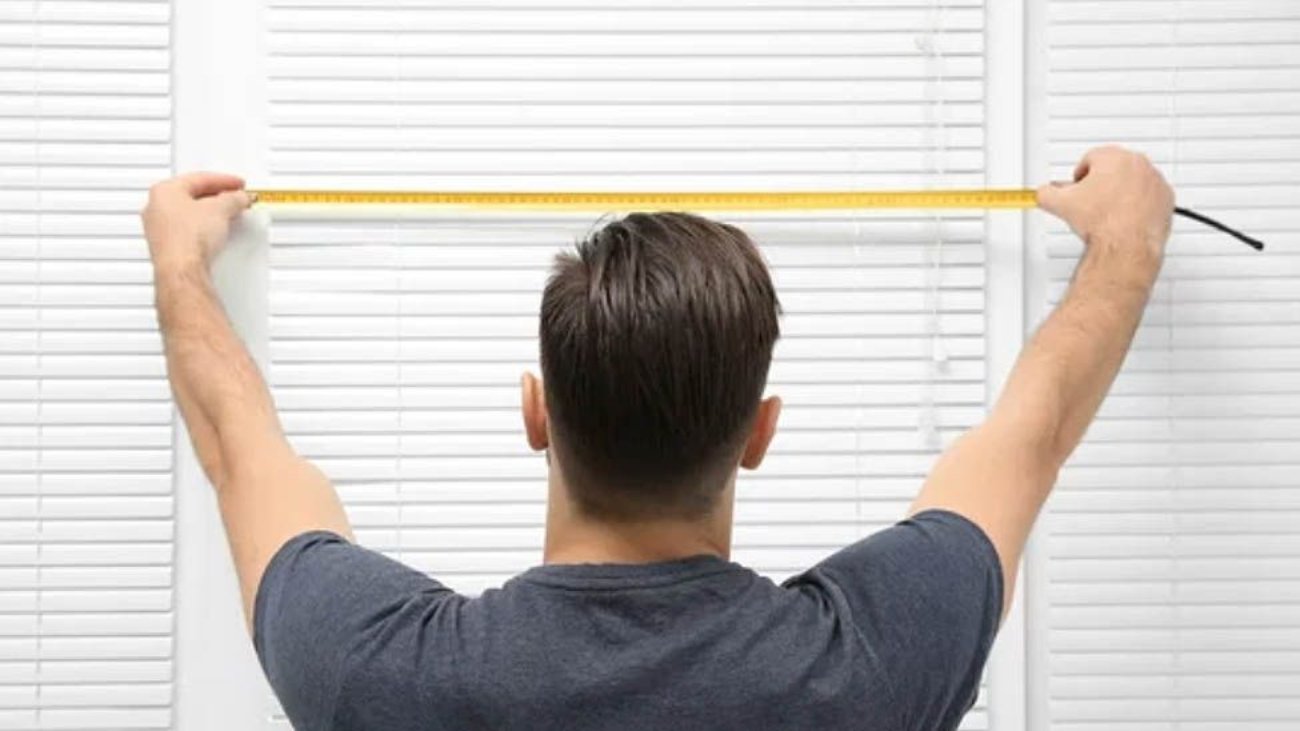
Getting new window treatments transforms a room, but the secret to a perfect look lies entirely in the prep work. Figuring out how to measure for window blinds might seem intimidating, especially if you are a DIY beginner. However, with the right approach and a little patience, you can get precise measurements that ensure a flawless fit.
Why Accurate Measurement Matters
Taking exact measurements is the most critical step in your window treatment project. A fraction of an inch can make the difference between a beautiful window and a frustrating return process.
Accurate numbers guarantee:
- A perfect fit: Blinds that fit snugly look custom-made and operate smoothly.
- Better light control: Gaps at the edges let in unwanted sunlight and compromise your privacy.
- Upgraded aesthetics: Properly sized blinds create clean lines that elevate your entire room’s design.
Tools You Need Before Measuring
Gather your supplies before you touch the window frame. Having everything within reach keeps the process organized and mistake-free. You will need:
- A steel measuring tape: Never use a cloth tape. Cloth stretches and bends, leading to inaccurate numbers.
- A sharp pencil: Pencils allow you to erase mistakes easily.
- A notepad: Write down your measurements immediately. Do not rely on your memory.
- A step stool or ladder: This keeps you safe when measuring tall windows.
Types of Blind Mounts
Before you measure, you must decide how you want to mount your blinds. You have two main options:
Inside Mount
These blinds sit entirely within the window frame. They provide a clean, built-in look and leave your window molding exposed. To use an inside mount, your window frame must have enough depth to accommodate the blind’s headrail.
Outside Mount
These blinds attach outside the window opening, either on the window molding or the wall above it. Outside mounts make small windows appear larger and excel at blocking light since they overlap the window edges.
Step-by-Step Guide to Measure Blinds
Now let’s get down to the actual measuring process. Write down every measurement as Width x Height.
Measuring for Inside Mounts
- Width measurement: Measure the inside width of the window at three points: the top, the middle, and the bottom. Write down the narrowest measurement. The factory will use this number to ensure the blinds clear the sides of the frame.
- Height measurement: Measure the inside height at the left, center, and right side. Record the longest measurement.
- Depth consideration: Measure the depth of your window frame. Check the product specifications of the blinds you want to buy to ensure your window is deep enough for a flush fit.
Measuring for Outside Mounts
- Width measurement: Measure the width of the window opening and add at least 3 to 4 inches (1.5 to 2 inches on each side) for maximum light coverage.
- Height measurement: Measure from where you want the headrail to sit (often 2 to 3 inches above the window) down to where you want the blinds to end.
Measuring for Different Window Types
Different windows require slightly different approaches.
Standard Windows
Follow the basic inside or outside mount instructions above. Treat each window as a separate project, even if they look identical.
Bay Windows
Bay windows require careful planning so the blinds do not bump into each other in the corners. You will need to measure the width of each window section and factor in the depth of the headrails to calculate the correct intersection points.
Sliding Doors
Outside mounts work best for sliding glass doors. Measure the width of the door frame and add a few extra inches on the sides. Measure the height from the mounting surface above the door straight down to the floor, then deduct about half an inch so the blinds do not drag.
Common Measuring Mistakes to Avoid
Even careful homeowners occasionally make errors. Watch out for these traps:
- Assuming windows are perfectly square: Houses settle, and frames warp over time. Always measure in three places (top, middle, bottom).
- Mixing up width and height: The industry standard always lists width first, then height (W x H).
- Taking your own deductions: Give the exact measurements of your window space. The manufacturer takes the necessary deductions for inside mounts automatically.
Pro Tips from Experts
- Measure twice, order once: Double-check every single number before you hit the checkout button.
- Measure to the nearest 1/8 inch: Avoid rounding to the nearest half or whole inch. Precision is your best friend here.
- Look for obstacles: Check for handles, cranks, alarm sensors, or molding that might get in the way of the blind’s operation.
FAQs
Do I need to deduct space for clearance?
No. If you choose an inside mount, provide the exact window opening size. The manufacturer will deduct the appropriate amount (usually about 1/8 to 1/4 inch) so the blinds fit properly.
What if my window is not deep enough for an inside mount?
If your window lacks the necessary depth, you must choose an outside mount. Otherwise, the blinds will protrude from the frame and look unfinished.
Can I use a laser measure?
While a laser measure works well for general room dimensions, a classic steel measuring tape remains the most reliable tool for the precision required for window treatments.