Curtain Length Guide: Touching the Floor or Not

When you’re choosing curtains, one of the first questions that comes up is: should they touch the floor? This detail can shape the entire mood of a room. Around 70% of interior designers recommend floor-length curtains for a polished look, but shorter lengths work just as well in the right space.

If you’ve searched “window treatments near me” or visited a window treatment store, you know how overwhelming the choices can feel. From custom window treatments to affordable blinds and window treatments, each style brings its own balance of design and practicality. Curtain length is where that choice begins.

Floor-Length Curtains: A Classic Window Treatment

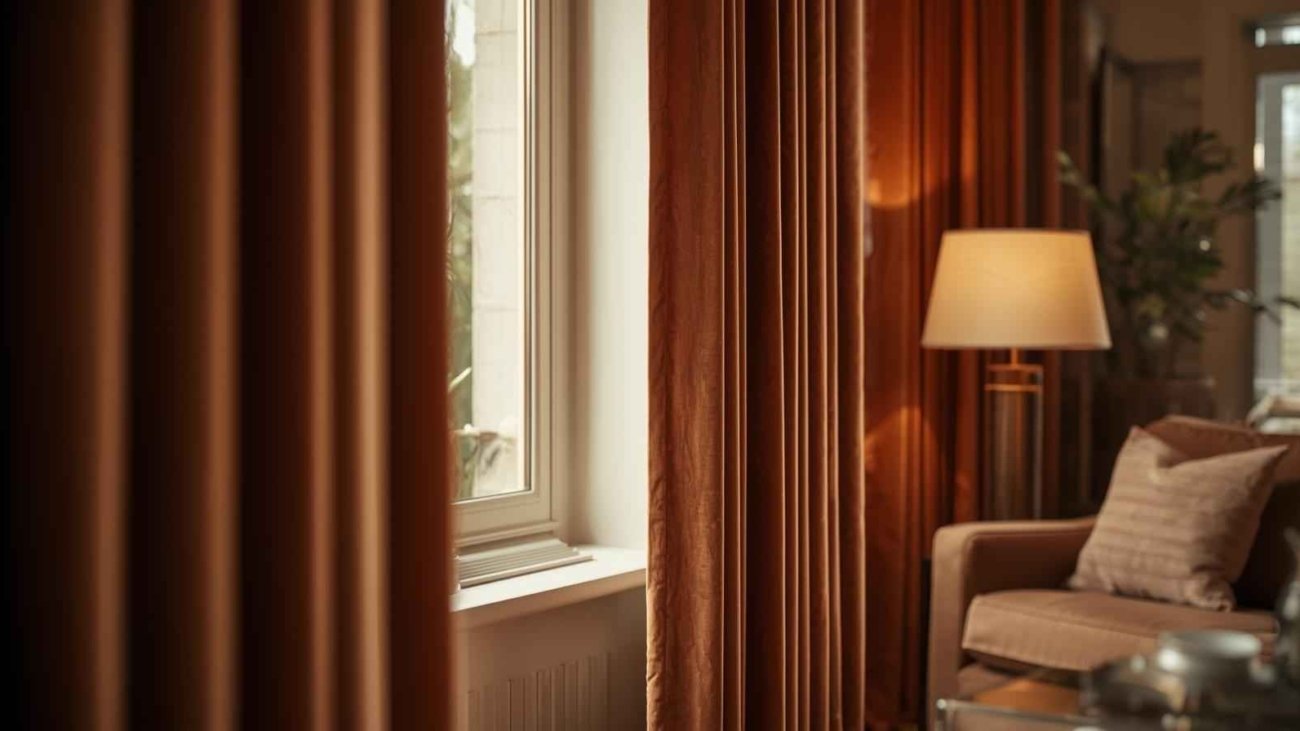
Curtains that reach the floor give a timeless and elegant look. They add height, create flow, and make a space feel more complete. Drapes window treatments that just graze the floor look clean and tailored. When they puddle slightly, they add softness and a touch of drama.

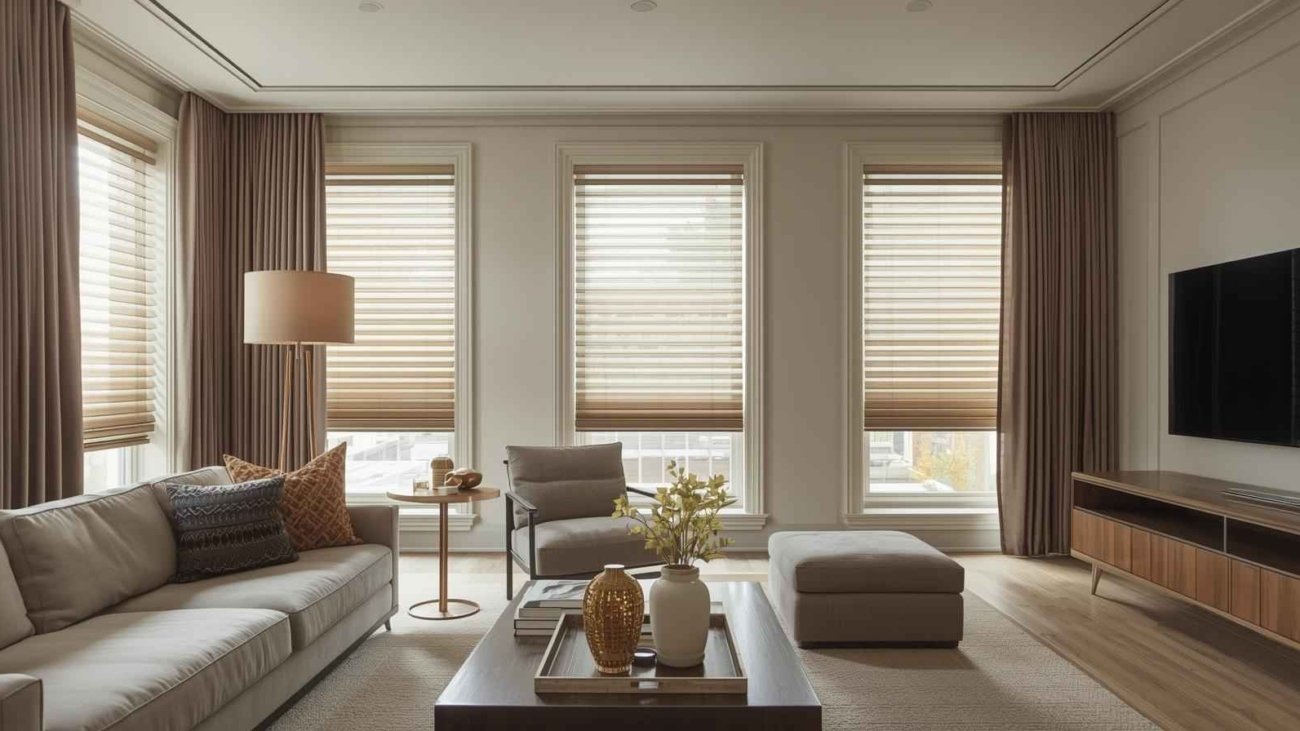
Floor-length curtains often work best in living rooms, dining rooms, or bedrooms where formality matters. Custom window treatments and designer window treatments frequently use this style to highlight tall ceilings or frame large windows. If you’re aiming for the best window treatments to elevate a space, this option rarely goes wrong.

Curtains Slightly Above the Floor: Practical and Modern

Stopping curtains half an inch above the floor keeps things tidy and practical. They don’t drag dust, they’re easier to vacuum around, and they avoid the tugging risks that pets or children can cause. This option works well for families who want style without constant fuss.

Modern window treatments often favor this look. Ready-made panels can be adjusted to sit just above the floor, creating a custom finish without the cost of fully custom window treatments. For those searching affordable window treatments, this is an effective way to get both elegance and convenience.

Short Curtains: Best for Kitchens, Bathrooms, and Small Spaces

Short curtains that stop at the sill or just below are ideal in more casual spaces. Kitchens, bathrooms, or small bedrooms often benefit from shorter styles, especially when paired with window blinds and shades for privacy.

Roll up shades for windows, pull down shades for windows, or roller blinds for windows all work well with shorter curtains. This pairing offers light control, privacy, and a casual look that still feels complete. If you’re considering functional yet affordable window treatments, this style balances practicality with charm.

Special Window Treatments for Sliding Glass Doors and Unique Shapes

Sliding glass doors and curved windows require different solutions. Curtains for sliding glass doors often use vertical panels or layered options that allow movement without blocking access. Window shades for sliding glass doors, including electric shades for windows, give added convenience.

For curved or oversized windows, curved window treatments or custom window treatment designs are usually the best fit. These ensure smooth function and a design that matches the unique window shape. A window treatment store can guide you toward the right options for complex spaces.

How to Choose the Best Window Treatment for Your Home

The right curtain length comes down to lifestyle, design goals, and budget. If you want a classic and dramatic look, floor-length curtains are ideal. For a neat finish that’s easy to manage, choose curtains slightly above the floor. For casual or compact rooms, shorter curtains with blinds and shades for windows may be the right choice.

Window treatment ideas today extend beyond fabric panels. Wooden window blinds, roller blinds for windows, and electric shades for windows are part of the mix. Many homeowners find the best results by combining curtains and window treatments, creating layers of style and function. Whether you’re shopping for designer window treatments or affordable blinds and window treatments, the decision starts with curtain length—and how it fits the way you live.


How to Install Curtain Rods Without Damaging Walls

Want curtains but can’t drill holes in your walls? You’re not alone. Many renters face restrictions, and even homeowners often want to avoid cracked plaster or patchwork later. The good news is, you don’t need power tools or permanent fixtures to enjoy stylish window treatments.

More than 60% of renters look for non-damaging solutions to hang curtains and blinds. Products like tension rods, adhesive hooks, and removable brackets make it possible to secure curtain rods without leaving a trace. Here’s how to do it step by step.

How Do Tension Rods Work Without Drilling?

Tension rods are one of the simplest ways to hang curtains. They expand to fit snugly inside a window frame, which means no nails, screws, or hardware.

Steps to Install Tension Rods:

  • Measure your window width.

  • Twist or extend the rod until it fits tightly inside the frame.

  • Place the rod about halfway up the trim or at the top, depending on your curtain length.

  • Hang your curtains or sheer panels.

Best for: lightweight curtains, small windows, or layering with roller blinds for windows. They’re a quick solution for affordable window treatments and can be used with pull down shades or roll up shades for windows.

Can Adhesive Hooks Really Hold Curtain Rods?

Yes, adhesive hooks are stronger than they look, especially when used correctly. They’re ideal if you prefer a standard rod but don’t want to drill into drywall.

Steps to Hang Curtain Rods with Adhesive Hooks:

  • Clean the wall or trim with rubbing alcohol.

  • Mark your curtain rod placement evenly on both sides.

  • Apply the adhesive hooks and press firmly.

  • Wait the recommended time before hanging the rod.

Best for: drapes window treatments, curtains and window treatments in medium weights, and modern window treatments that need a clean, polished look.

What’s the Best Option for Heavy Drapes?

For heavier fabrics or layered curtains, removable brackets are a better choice. These brackets clip onto the window frame or rest against trim, making them sturdier than adhesive hooks.

They can handle wooden window blinds, layered drapes, or even electric shades for windows. If you’re searching “window treatments near me” or shopping at a window treatment store, look for no-drill or clamp-style brackets.

Best for: designer window treatments, custom window treatment setups, or larger areas like sliding glass doors.

How to Layer Curtains with Blinds and Shades

Layering creates both style and function. Combining curtains with blinds or shades lets you control light, privacy, and energy efficiency.

  • Pair sheer curtains with roller blinds for windows for a soft look.

  • Combine wooden window blinds with thick curtains for insulation.

  • For patio doors, use window treatments for sliding glass doors or window shades for sliding glass doors with removable brackets.

Best for: anyone exploring custom window treatments or curved window treatments while keeping flexibility.

Which Fabrics and Styles Work Best?

Your fabric choice matters for damage-free installation.

  • Lightweight fabrics: best for tension rods and adhesive hooks. Think sheers, linen, or cotton.

  • Medium-weight fabrics: pair well with adhesive hooks if used with sturdy rods.

  • Heavy fabrics: velvet, blackout drapes, or layered curtains need removable brackets.

Modern window treatments often combine curtains with blinds and shades for windows. Affordable options like roll up shades or pull down shades for windows work well for renters.

Quick Recap: Damage-Free Curtain Solutions

Here’s a summary of methods to install curtain rods without damaging walls:

  • Tension rods: fast, drill-free, best for light fabrics.

  • Adhesive hooks: versatile, support medium-weight curtains.

  • Removable brackets: sturdy, perfect for heavy drapes and blinds.

  • Layering styles: combine drapes with blinds and shades for a designer finish.

No matter your style—whether you want affordable window treatments, custom window treatments, or modern window treatments—you can hang curtains without making a single hole.


Cornice vs Valance: What’s the Difference for Window Treatments

When people look for window treatments, two names often come up: cornice and valence. Both frame the top of a window and hide hardware, yet they aren’t the same. A cornice is a structured frame, often wood or upholstered, while a valance is a fabric-only accent. Knowing which one fits your space helps you match style, function, and budget.

More homeowners are upgrading their interiors—about 70% say they change window treatments when refreshing a room. From modern window treatments to affordable blinds and shades, the right choice can make a big difference. Let’s explore how cornices and valances compare.

Cornice: The Structured Window Topper

A cornice is a box-like frame placed at the top of a window. It can be upholstered in fabric or left in a wood finish, giving a clean, tailored look. Cornices hide curtain rods, roller blinds for windows, or even electric shades for windows.

They’re often part of custom window treatments since they’re built to match the exact size of your window. In homes with tall ceilings or sliding glass doors, a cornice draws the eye upward and adds balance to the room.

If you’ve searched “window treatments near me,” you’ll notice many window treatment stores feature cornices in their designer window treatments collections. They work well with drapes and window treatments or paired over wooden window blinds for a layered style.

Valance: The Soft Fabric Accent

A valance is a fabric piece that drapes or pleats across the top of a window. Unlike the solid structure of a cornice, a valance feels lighter and creates softness. This makes it popular in traditional or casual interiors.

Valances can be straight, scalloped, or gathered. They pair well with blinds and shades for windows, roll up shades for windows, or pull down shades for windows. Since they use less fabric than full drapes, they’re one of the more affordable window treatment options.

Many homeowners use valances in kitchens, bathrooms, or small bedrooms where a cornice may feel too bulky. They complement roller blinds for windows and window shades for sliding glass doors while still letting in light.

Cornice vs Valance at a Glance

Feature

Cornice

Valance

Structure

Solid, wood or upholstered frame

Fabric-only topper

Style

Formal, structured, modern

Casual, soft, versatile

Best For

Large windows, sliding glass doors

Small windows, kitchens, bathrooms

Price

Often higher, custom-made

More affordable, easy to update

Compatibility

Drapes, blinds, layered treatments

Blinds, roller shades, curved windows

Choosing Based on Style, Budget, and Room Type

The right option depends on your goals. Cornices add structure, hide multiple layers like curtains, blinds, and shades for windows, and work well in formal spaces. They’re considered some of the best window treatments for large windows or custom designs.

Valances, by contrast, are flexible and budget-friendly. They fit casual settings, can be swapped seasonally, and suit curved window treatments or smaller windows.

If you’re looking at modern window treatments, cornices may align with a sleek design. If you prefer something lighter and more affordable, valances are a strong choice.

Window Treatment Ideas with Cornices and Valances

  • Living Rooms: Use a cornice with drapes window treatments for a polished frame.

  • Bedrooms: Pair valances with window blinds and shades for softness.

  • Kitchens: Try roll up shades for windows topped with a fabric valance.

  • Sliding Glass Doors: Install cornices above window shades for sliding glass doors to hide hardware.

  • Modern Spaces: Choose upholstered cornices with electric shades for windows for a minimalist look.

  • Unique Windows: For arched or curved window treatments, a custom window treatment store can design fitted cornices or tailored valances.

Key Takeaway

Cornices and valances both enhance window treatments, but they bring different qualities. Cornices offer structure, elegance, and a more formal touch. Valances bring flexibility, warmth, and affordability.

Whether you’re exploring custom window treatments or browsing affordable window treatments near you, both options can transform blinds, curtains, or shades into a complete design. Visit a window treatment store to see which style best fits your home.