Are rising utility costs putting a strain on your monthly budget? If you own a home, you know how hard it is to maintain a comfortable indoor temperature. Your heating and cooling systems work overtime trying to balance out the extreme weather changes outside. Surprisingly, your windows are one of the biggest culprits behind this energy waste. Drafty glass panes allow heat to escape during the winter and bake your living room during the summer. Upgrading to energy-efficient window blinds is a smart, cost-effective solution.
If you live in Westchester, you experience bitter cold winters and sweltering, humid summers. Choosing the right thermal window coverings can block drafts, control sunlight, and ultimately lower your energy bills. Let us explore the best energy-saving blinds on the market so you can make the smartest upgrade for your home.
Why Energy Efficiency Matters for Westchester Homes
Westchester weather throws a little bit of everything at your home. During January snowstorms, your furnace runs constantly to battle the freezing air. When July brings heatwaves, your air conditioner works just as hard to keep you cool.
Windows represent a major energy leak in most houses. According to the Department of Energy, about 30% of a home’s heating energy is lost through windows. During the summer, standard glass windows allow solar heat gain to warm up your rooms, forcing your AC to use more electricity.
Upgrading your window treatments makes a massive difference. For example, installing tightly fitting cellular shades can reduce heat loss by 40% or more. In the summer, those same shades can reduce solar heat gain by up to 60%. This dual action protects your home from Westchester’s wild temperature swings.
How Energy-Efficient Window Blinds Work
How exactly do these window coverings protect your home? Energy-efficient shades use a few distinct methods to control the climate inside your rooms.
- Insulation: The best window insulation solutions use layered fabrics or honeycomb pockets. These features trap air between the room and the glass pane. Since air is a poor conductor of heat, this trapped layer acts as a barrier, keeping the cold out and the warmth in.
- Reflection: Light-colored materials and special reflective backings bounce the sun’s rays away from your home. This prevents the greenhouse effect from heating up your living room on a sunny July afternoon.
- Light Control: By blocking or filtering direct sunlight, these blinds reduce solar heat gain.
- Sealing Gaps: A tight fit inside the window frame prevents air from leaking around the edges of the blinds. Proper installation maximizes the thermal benefits.
Top Energy-Efficient Window Blinds (Best Options)
When you want to reduce energy bills home improvement projects like upgrading your window treatments offer a fast return on investment. Here are the best options available today.
1. Cellular (Honeycomb) Shades – Best Overall
Cellular shades feature a unique honeycomb structure that makes them the absolute best choice for insulation. The open pockets trap air, creating a strong barrier between your cozy room and the cold glass.
They offer the highest R-value (a measure of thermal resistance) among all window coverings. In fact, a high-quality cellular shade can reduce heat transfer by up to 74%.
- Best for: Maximum energy savings in extreme weather.
- Expert Tip: Choose double or triple-cell designs for even better insulation. Look into cordless or motorized options for easy daily use.
2. Solar Shades – Best for Summer Heat
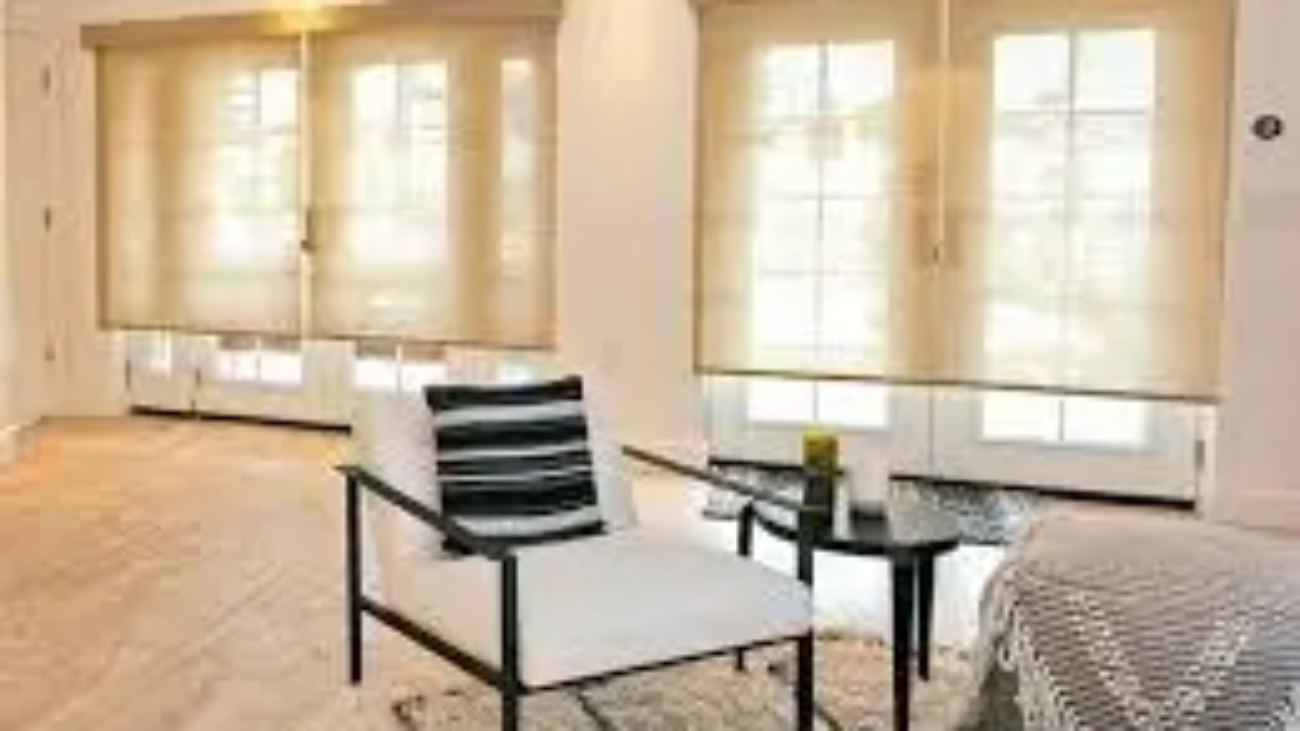
Solar shades are woven from synthetic materials designed to block UV rays while still allowing you to see outside. They act like sunglasses for your windows.
These shades reflect sunlight away from your interior, which significantly reduces your cooling costs during Westchester’s hot summers. They also protect your furniture and hardwood floors from sun damage.
- Best for: Sun-facing rooms with a view you want to keep.
3. Roller Shades (Thermal/Blackout)
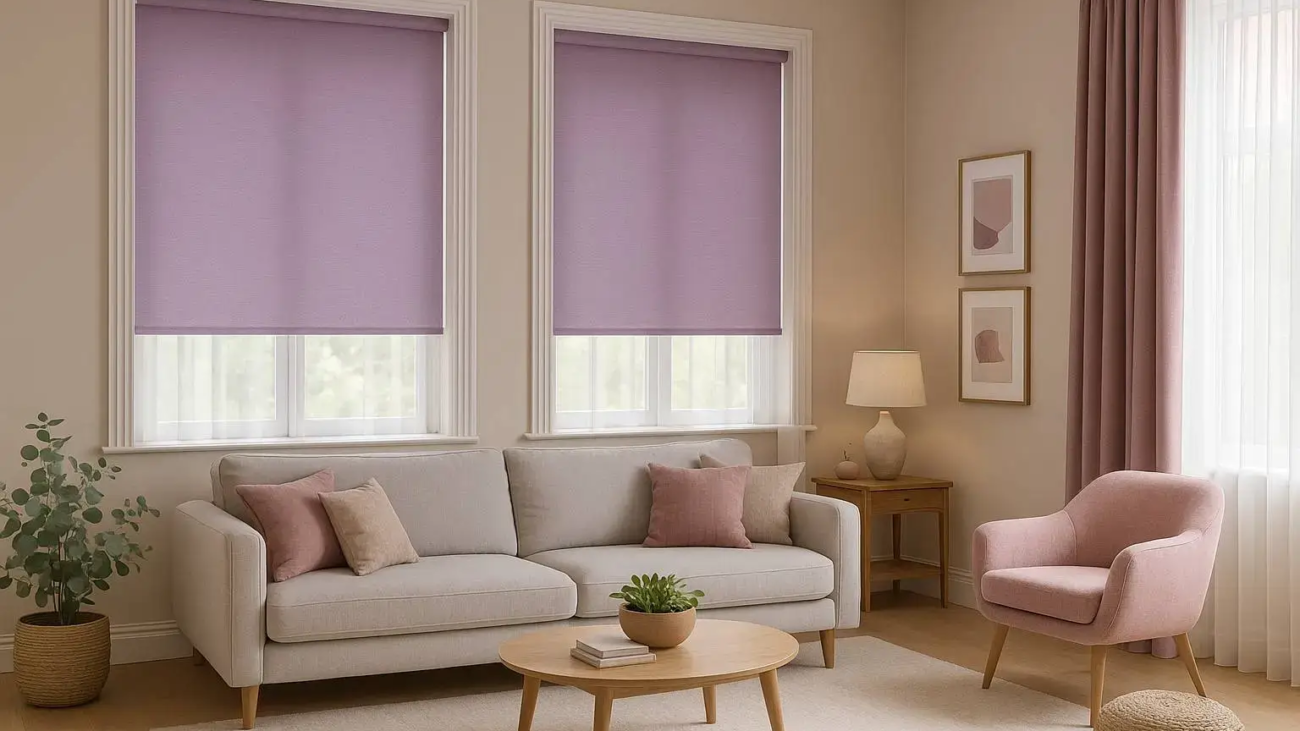
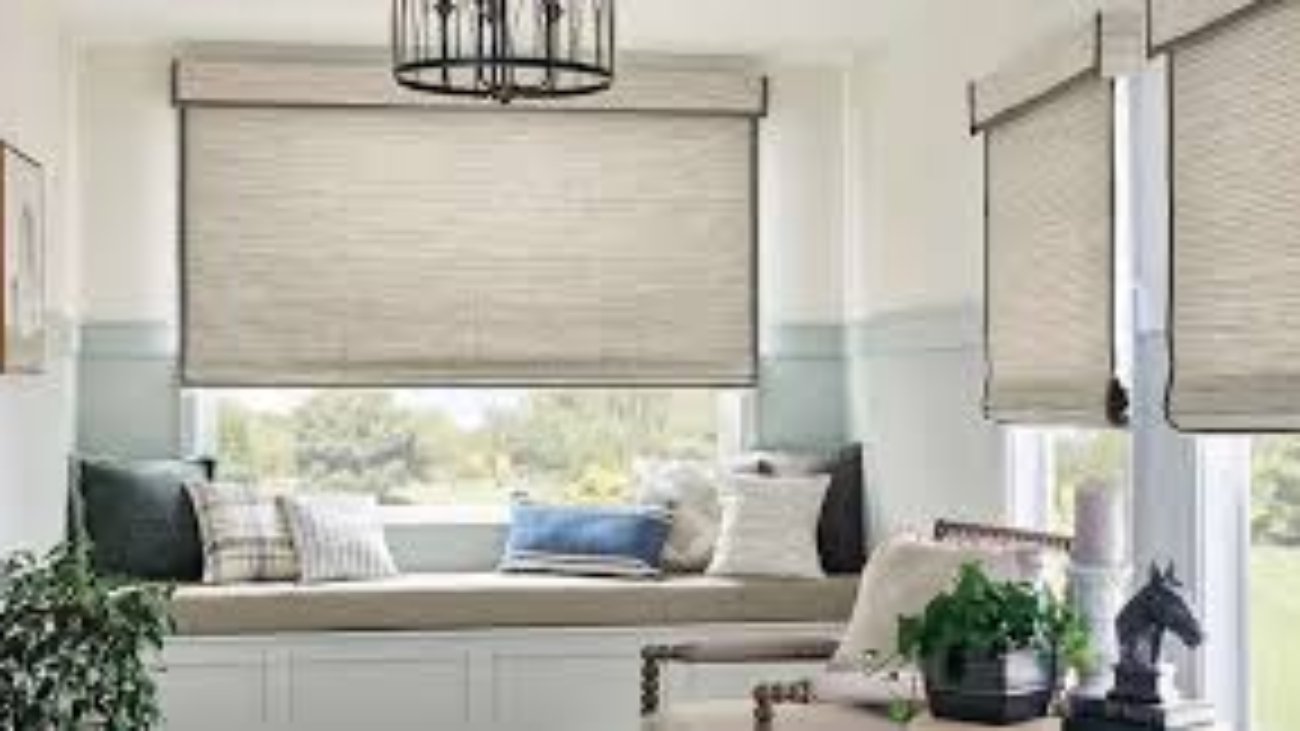
Modern roller shades offer a sleek, simple design. When outfitted with a thermal or blackout backing, they become highly effective at blocking light and reducing heat transfer.
They are easy to use and fit well with minimalist decor. Many smart versions allow you to automate your energy savings, pulling the shades down automatically when the sun hits the window.
- Best for: Budget-friendly efficiency and smart home integration.
4. Roman Shades – Style + Efficiency
If you want a luxurious look without sacrificing thermal performance, Roman shades are a fantastic choice. The thick fabric folds add natural insulation to your windows.
Because they use heavier materials, they trap air effectively. You can also add thermal liners to the back of the fabric to boost their energy efficiency.
- Best for: Enhancing room aesthetics while maintaining insulation.
5. Vertical Blinds – Large Windows & Sliding Doors
Patio doors and massive floor-to-ceiling windows lose a lot of energy. Vertical blinds offer a practical way to cover these wide expanses.
While they do not provide the extreme insulation of a honeycomb shade, heavy-duty vertical blinds help control sunlight entry. They block the afternoon glare and keep your rooms cooler.
- Best for: Sliding glass doors and oversized windows.
Comparison Table of Energy-Efficient Blinds
| Type | Insulation Level | Best For | Cost Range |
| Cellular Shades | ⭐⭐⭐⭐⭐ | All seasons | $–$$ |
| Solar Shades | ⭐⭐⭐⭐ | Hot climates | $ |
| Roller Shades | ⭐⭐⭐ | Budget homes | $–$ |
| Roman Shades | ⭐⭐⭐⭐ | Style + insulation | $–$$ |
| Vertical Blinds | ⭐⭐ | Large windows | $–$ |
Real Homeowner Insights (Experience Section)
Homeowners across cold-weather states frequently share their success stories with energy-efficient window blinds. When discussing winter home improvements on platforms like Reddit, users consistently praise honeycomb options.
One user shared: “Cellular shades were a game-changer for my old house. They help keep the heat out in the summer and the warmth in during winter.”
Another homeowner noted: “They can significantly reduce energy bills over time. We noticed our furnace kicking on way less often after we put them in the living room.”
Hearing real experiences confirms that these window coverings do more than look good—they actively protect your wallet.
How Much Can You Save on Energy Bills?
Upgrading your window treatments directly impacts how often your HVAC system needs to run. By creating a thermal barrier, your home reaches your desired temperature faster and stays there longer.
You will see lower heating and cooling costs almost immediately. While the exact dollar amount depends on your home’s size and your current windows, the Department of Energy suggests that proper installation of insulated shades can yield a 10% savings on heating energy alone. Over a few years, these savings easily cover the cost of the blinds, offering a solid long-term return on investment.
Key Features to Look for in Energy-Efficient Window Blinds
Not all blinds are created equal. When shopping for energy-efficient shades, look for these specific features:
- Double or triple-cell design: More cells mean more trapped air, which equals better insulation.
- Blackout vs. light-filtering: Blackout materials typically have thicker, more reflective backings that offer better thermal protection.
- Tight fit: Inside-mount blinds that sit flush against the window frame block drafts much better than outside-mount styles.
- Smart automation: Timers and sensors can lower your blinds during peak sunlight hours, even when you are not home.
- UV protection: Protect your family and your furnishings from harmful ultraviolet rays.
Expert Tips for Maximum Energy Savings
Buying the right blinds is only half the battle. How you use them determines how much money you actually save. Follow these practical tips to maximize your home’s efficiency. [Internal Link: Read our Ultimate Guide to Home Improvement]
- Install blinds close to the window frame: Reduce the gap between the fabric and the glass to stop air from circulating.
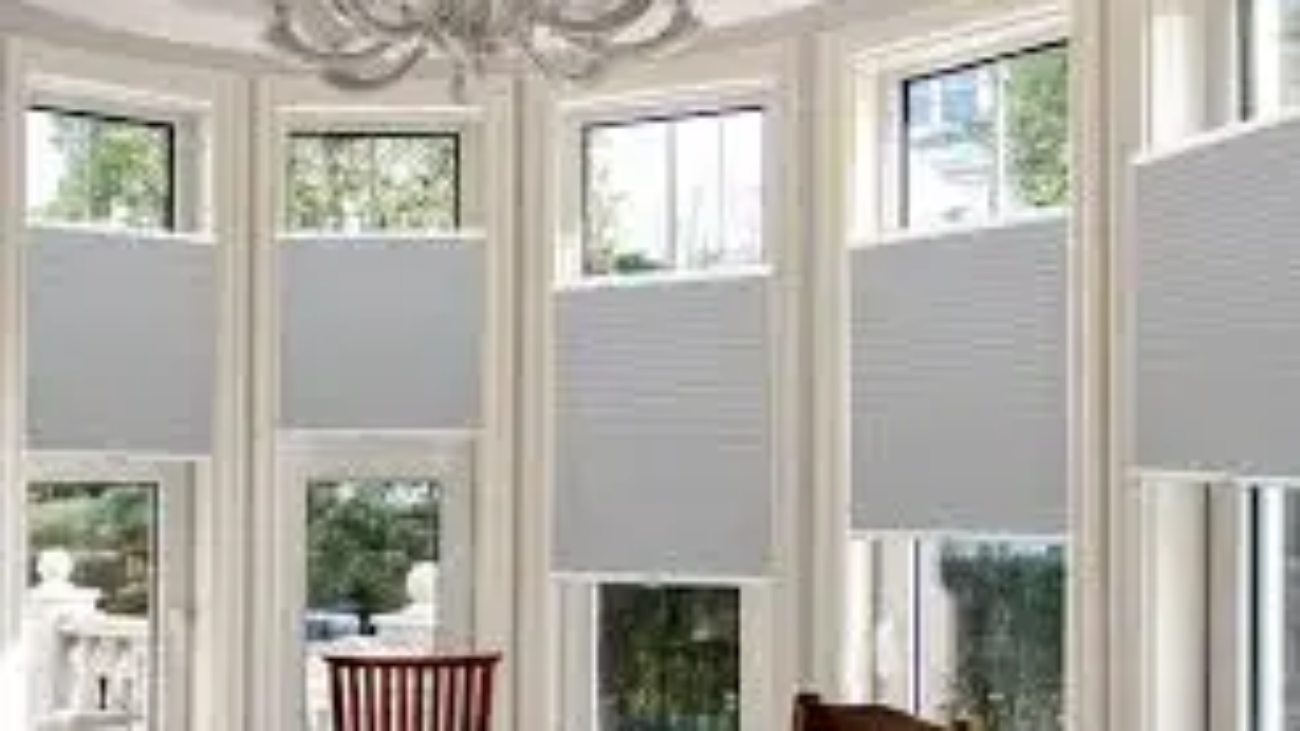
- Use top-down/bottom-up designs: These allow you to let in natural light at the top of the window while keeping the bottom covered for insulation and privacy.
- Combine blinds with curtains: Layering your window treatments adds another barrier against the cold. [Internal Link: How to Layer Curtains and Blinds]
- Close blinds during peak sunlight hours: In the summer, keep south-facing blinds closed during the afternoon to block the intense heat.
- Use automation for daily optimization: Program your smart blinds to open on winter mornings to catch the sun’s free warmth, then close at dusk to trap the heat inside.
Common Mistakes to Avoid
When homeowners try to reduce energy bills, they sometimes make simple errors that ruin their efforts. Avoid these common pitfalls:
- Choosing style over insulation: Flimsy aluminum mini-blinds might look sleek, but they conduct heat and cold right into your room.
- Ignoring window orientation: South-facing windows need heavy sun protection in the summer, while north-facing windows need intense insulation in the winter.
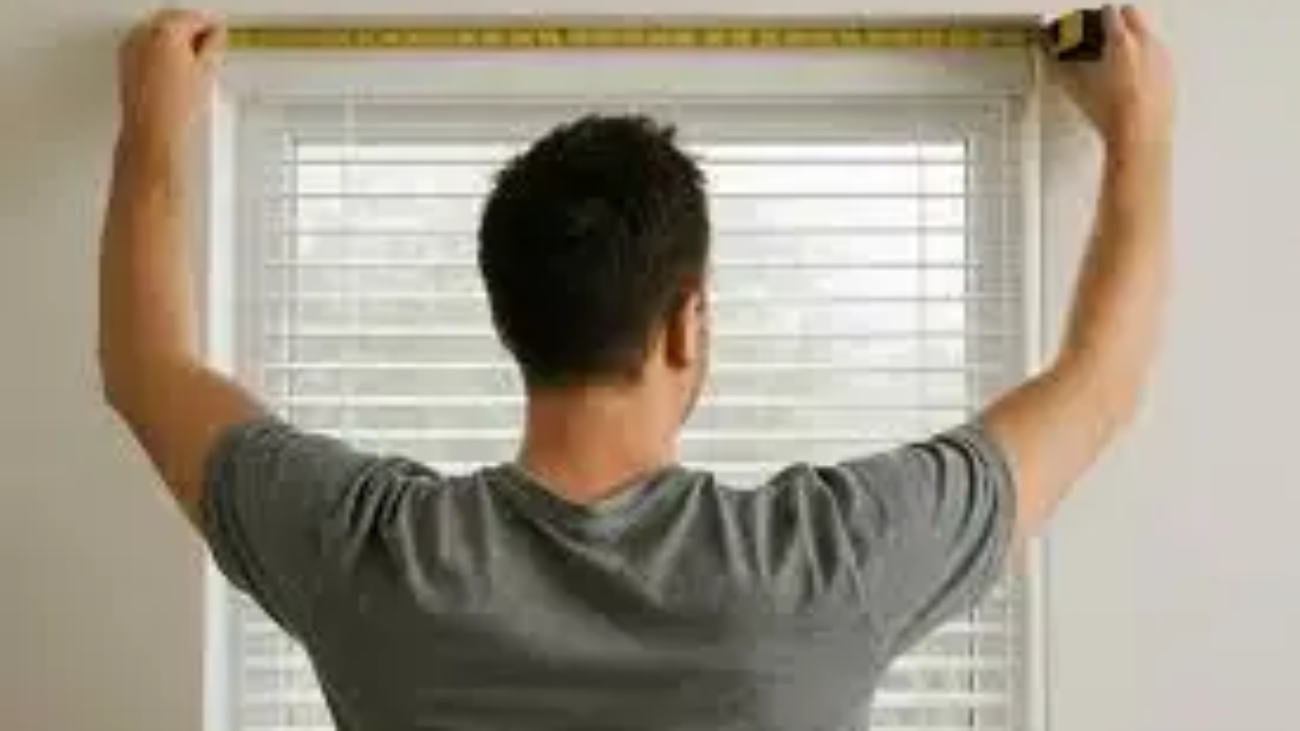
- Poor measurements: If your blinds are too small, the resulting gaps will let air flow freely around the edges, destroying the insulation value.
- Not sealing edges: For maximum efficiency, consider adding side tracks to your shades to eliminate light and air gaps entirely.
Are Energy-Efficient Window Blinds Worth It?
If you live in a climate with distinct seasons like Westchester, investing in thermal window coverings is absolutely worth it.
While custom cellular or roman shades have a higher upfront cost than basic vinyl blinds, the long-term savings are substantial. Beyond the financial benefits, you will immediately notice a comfort improvement. Drafty rooms become cozy, and sun-baked rooms become cool and usable. Furthermore, using less energy to heat and cool your home lowers your carbon footprint, offering excellent eco-friendly benefits.
FAQs
What are the most energy-efficient window blinds?
Cellular shades (or honeycomb shades) are considered the most efficient due to their unique insulating air pockets. They trap air against the glass, preventing heat transfer better than any other style.
Do blinds really reduce energy bills?
Yes, they can reduce heat loss and gain significantly, lowering your overall HVAC costs. By reducing the workload on your heating and air conditioning systems, you use less electricity and gas.
Are blackout blinds energy efficient?
Yes, especially when combined with a thermal backing or a cellular design. The thick materials used to block light also do a fantastic job of blocking thermal transfer.
Which blinds are best for winter insulation?
Cellular shades and heavy fabric Roman shades perform best in the winter. Their thick materials and air-trapping designs keep the bitter cold outside where it belongs.
Conclusion
Controlling your home’s temperature does not have to mean cranking up the thermostat and paying massive utility bills. By installing energy-efficient window blinds, you can fight back against Westchester’s freezing winters and humid summers.
Cellular shades stand out as the top choice for overall insulation, but solar shades and thick Roman shades also offer excellent benefits. No matter which style you choose, ensure you measure carefully and install them as close to the glass as possible to maximize the thermal barrier.
Stop letting your hard-earned money float right out the window. Upgrade your home with energy-efficient window blinds today, and enjoy a more comfortable, affordable living space all year long.