Window Blinds

Top Energy-Efficient Window Blinds to Save on Your Westchester Home Bills

Are rising utility costs putting a strain on your monthly budget? If you own a home, you know how hard it is to maintain a comfortable indoor temperature. Your heating and cooling systems work overtime trying to balance out the extreme weather changes outside. Surprisingly, your windows are one of the biggest culprits behind this energy waste. Drafty glass panes allow heat to escape during the winter and bake your living room during the summer. Upgrading to energy-efficient window blinds is a smart, cost-effective solution.

If you live in Westchester, you experience bitter cold winters and sweltering, humid summers. Choosing the right thermal window coverings can block drafts, control sunlight, and ultimately lower your energy bills. Let us explore the best energy-saving blinds on the market so you can make the smartest upgrade for your home.

Why Energy Efficiency Matters for Westchester Homes

Westchester weather throws a little bit of everything at your home. During January snowstorms, your furnace runs constantly to battle the freezing air. When July brings heatwaves, your air conditioner works just as hard to keep you cool.

Windows represent a major energy leak in most houses. According to the Department of Energy, about 30% of a home’s heating energy is lost through windows. During the summer, standard glass windows allow solar heat gain to warm up your rooms, forcing your AC to use more electricity.

Upgrading your window treatments makes a massive difference. For example, installing tightly fitting cellular shades can reduce heat loss by 40% or more. In the summer, those same shades can reduce solar heat gain by up to 60%. This dual action protects your home from Westchester’s wild temperature swings.

How Energy-Efficient Window Blinds Work

How exactly do these window coverings protect your home? Energy-efficient shades use a few distinct methods to control the climate inside your rooms.

  • Insulation: The best window insulation solutions use layered fabrics or honeycomb pockets. These features trap air between the room and the glass pane. Since air is a poor conductor of heat, this trapped layer acts as a barrier, keeping the cold out and the warmth in.
  • Reflection: Light-colored materials and special reflective backings bounce the sun’s rays away from your home. This prevents the greenhouse effect from heating up your living room on a sunny July afternoon.
  • Light Control: By blocking or filtering direct sunlight, these blinds reduce solar heat gain.
  • Sealing Gaps: A tight fit inside the window frame prevents air from leaking around the edges of the blinds. Proper installation maximizes the thermal benefits.

Top Energy-Efficient Window Blinds (Best Options)

When you want to reduce energy bills home improvement projects like upgrading your window treatments offer a fast return on investment. Here are the best options available today.

1. Cellular (Honeycomb) Shades – Best Overall

Cellular shades feature a unique honeycomb structure that makes them the absolute best choice for insulation. The open pockets trap air, creating a strong barrier between your cozy room and the cold glass.

They offer the highest R-value (a measure of thermal resistance) among all window coverings. In fact, a high-quality cellular shade can reduce heat transfer by up to 74%.

  • Best for: Maximum energy savings in extreme weather.
  • Expert Tip: Choose double or triple-cell designs for even better insulation. Look into cordless or motorized options for easy daily use.

2. Solar Shades – Best for Summer Heat

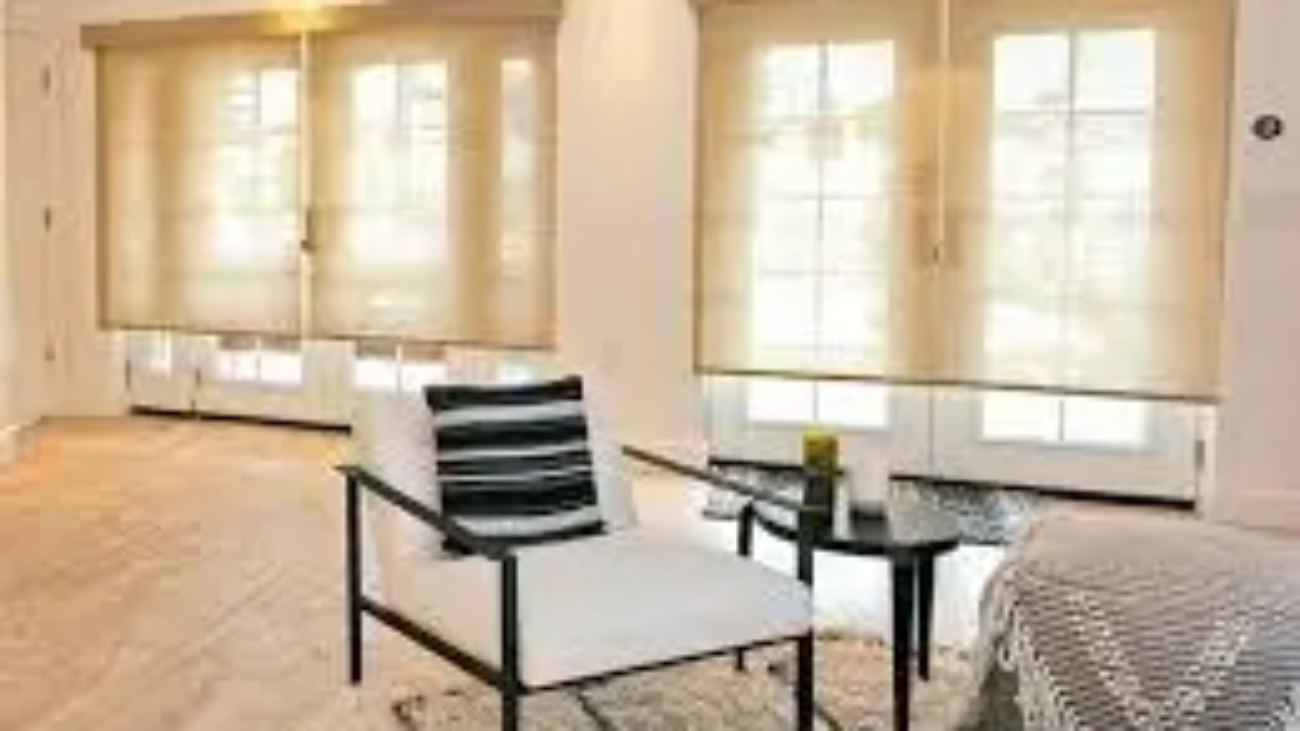
Solar shades are woven from synthetic materials designed to block UV rays while still allowing you to see outside. They act like sunglasses for your windows.

These shades reflect sunlight away from your interior, which significantly reduces your cooling costs during Westchester’s hot summers. They also protect your furniture and hardwood floors from sun damage.

  • Best for: Sun-facing rooms with a view you want to keep.

3. Roller Shades (Thermal/Blackout)

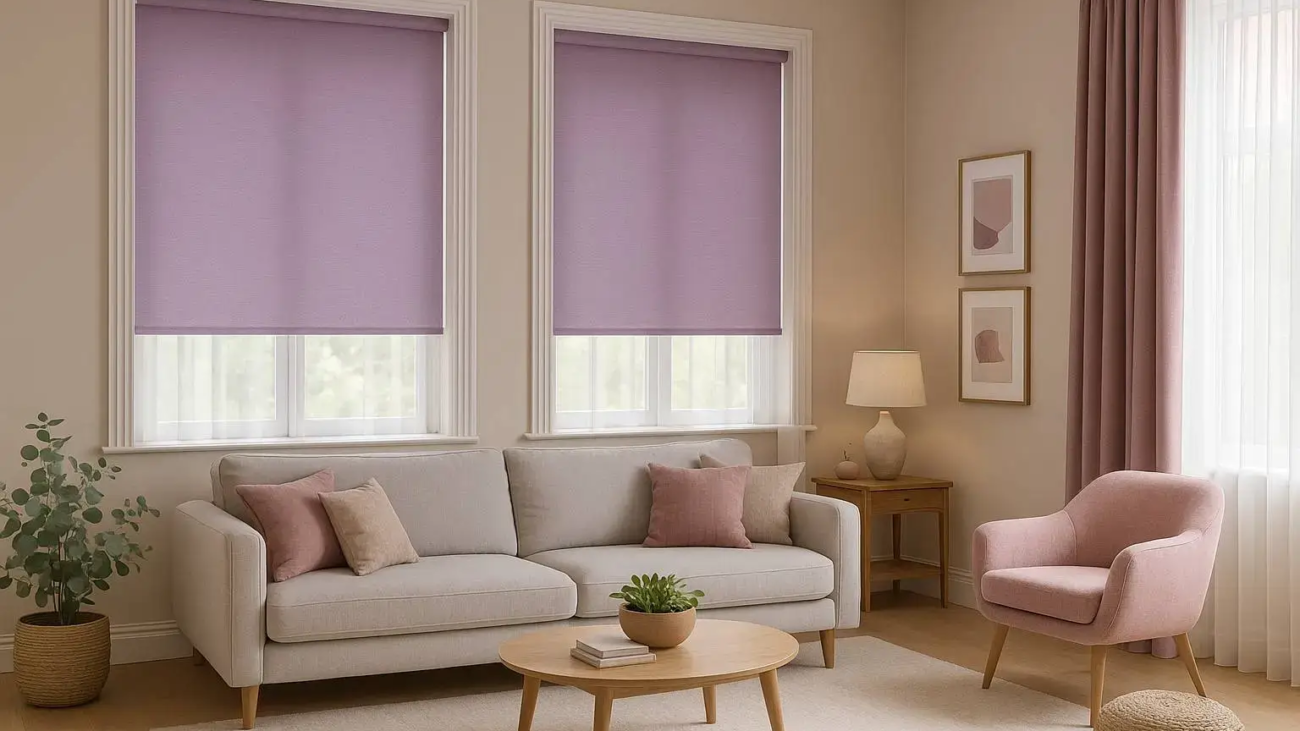
Modern roller shades offer a sleek, simple design. When outfitted with a thermal or blackout backing, they become highly effective at blocking light and reducing heat transfer.

They are easy to use and fit well with minimalist decor. Many smart versions allow you to automate your energy savings, pulling the shades down automatically when the sun hits the window.

  • Best for: Budget-friendly efficiency and smart home integration.

4. Roman Shades – Style + Efficiency

If you want a luxurious look without sacrificing thermal performance, Roman shades are a fantastic choice. The thick fabric folds add natural insulation to your windows.

Because they use heavier materials, they trap air effectively. You can also add thermal liners to the back of the fabric to boost their energy efficiency.

  • Best for: Enhancing room aesthetics while maintaining insulation.

5. Vertical Blinds – Large Windows & Sliding Doors

Patio doors and massive floor-to-ceiling windows lose a lot of energy. Vertical blinds offer a practical way to cover these wide expanses.

While they do not provide the extreme insulation of a honeycomb shade, heavy-duty vertical blinds help control sunlight entry. They block the afternoon glare and keep your rooms cooler.

  • Best for: Sliding glass doors and oversized windows.

Comparison Table of Energy-Efficient Blinds

TypeInsulation LevelBest ForCost Range
Cellular Shades⭐⭐⭐⭐⭐All seasons$–$$
Solar Shades⭐⭐⭐⭐Hot climates$
Roller Shades⭐⭐⭐Budget homes$–$
Roman Shades⭐⭐⭐⭐Style + insulation$–$$
Vertical Blinds⭐⭐Large windows$–$

Real Homeowner Insights (Experience Section)

Homeowners across cold-weather states frequently share their success stories with energy-efficient window blinds. When discussing winter home improvements on platforms like Reddit, users consistently praise honeycomb options.

One user shared: “Cellular shades were a game-changer for my old house. They help keep the heat out in the summer and the warmth in during winter.”

Another homeowner noted: “They can significantly reduce energy bills over time. We noticed our furnace kicking on way less often after we put them in the living room.”

Hearing real experiences confirms that these window coverings do more than look good—they actively protect your wallet.

How Much Can You Save on Energy Bills?

Upgrading your window treatments directly impacts how often your HVAC system needs to run. By creating a thermal barrier, your home reaches your desired temperature faster and stays there longer.

You will see lower heating and cooling costs almost immediately. While the exact dollar amount depends on your home’s size and your current windows, the Department of Energy suggests that proper installation of insulated shades can yield a 10% savings on heating energy alone. Over a few years, these savings easily cover the cost of the blinds, offering a solid long-term return on investment.

Key Features to Look for in Energy-Efficient Window Blinds

Not all blinds are created equal. When shopping for energy-efficient shades, look for these specific features:

  • Double or triple-cell design: More cells mean more trapped air, which equals better insulation.
  • Blackout vs. light-filtering: Blackout materials typically have thicker, more reflective backings that offer better thermal protection.
  • Tight fit: Inside-mount blinds that sit flush against the window frame block drafts much better than outside-mount styles.
  • Smart automation: Timers and sensors can lower your blinds during peak sunlight hours, even when you are not home.
  • UV protection: Protect your family and your furnishings from harmful ultraviolet rays.

Expert Tips for Maximum Energy Savings

Buying the right blinds is only half the battle. How you use them determines how much money you actually save. Follow these practical tips to maximize your home’s efficiency. [Internal Link: Read our Ultimate Guide to Home Improvement]

  • Install blinds close to the window frame: Reduce the gap between the fabric and the glass to stop air from circulating.
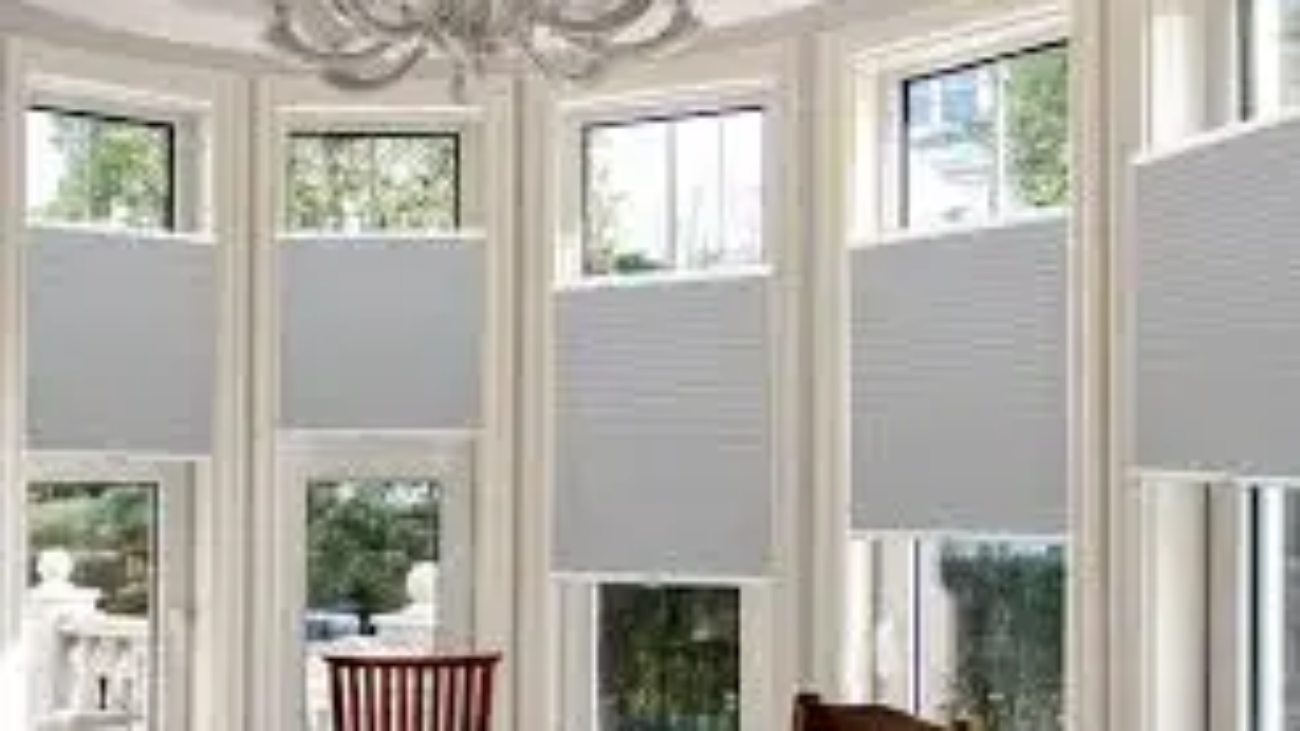
  • Use top-down/bottom-up designs: These allow you to let in natural light at the top of the window while keeping the bottom covered for insulation and privacy.
  • Combine blinds with curtains: Layering your window treatments adds another barrier against the cold. [Internal Link: How to Layer Curtains and Blinds]
  • Close blinds during peak sunlight hours: In the summer, keep south-facing blinds closed during the afternoon to block the intense heat.
  • Use automation for daily optimization: Program your smart blinds to open on winter mornings to catch the sun’s free warmth, then close at dusk to trap the heat inside.

Common Mistakes to Avoid

When homeowners try to reduce energy bills, they sometimes make simple errors that ruin their efforts. Avoid these common pitfalls:

  • Choosing style over insulation: Flimsy aluminum mini-blinds might look sleek, but they conduct heat and cold right into your room.
  • Ignoring window orientation: South-facing windows need heavy sun protection in the summer, while north-facing windows need intense insulation in the winter.
  • Poor measurements: If your blinds are too small, the resulting gaps will let air flow freely around the edges, destroying the insulation value.
  • Not sealing edges: For maximum efficiency, consider adding side tracks to your shades to eliminate light and air gaps entirely.

Are Energy-Efficient Window Blinds Worth It?

If you live in a climate with distinct seasons like Westchester, investing in thermal window coverings is absolutely worth it.

While custom cellular or roman shades have a higher upfront cost than basic vinyl blinds, the long-term savings are substantial. Beyond the financial benefits, you will immediately notice a comfort improvement. Drafty rooms become cozy, and sun-baked rooms become cool and usable. Furthermore, using less energy to heat and cool your home lowers your carbon footprint, offering excellent eco-friendly benefits.

FAQs

What are the most energy-efficient window blinds?

Cellular shades (or honeycomb shades) are considered the most efficient due to their unique insulating air pockets. They trap air against the glass, preventing heat transfer better than any other style.

Do blinds really reduce energy bills?

Yes, they can reduce heat loss and gain significantly, lowering your overall HVAC costs. By reducing the workload on your heating and air conditioning systems, you use less electricity and gas.

Are blackout blinds energy efficient?

Yes, especially when combined with a thermal backing or a cellular design. The thick materials used to block light also do a fantastic job of blocking thermal transfer.

Which blinds are best for winter insulation?

Cellular shades and heavy fabric Roman shades perform best in the winter. Their thick materials and air-trapping designs keep the bitter cold outside where it belongs.

Conclusion

Controlling your home’s temperature does not have to mean cranking up the thermostat and paying massive utility bills. By installing energy-efficient window blinds, you can fight back against Westchester’s freezing winters and humid summers.

Cellular shades stand out as the top choice for overall insulation, but solar shades and thick Roman shades also offer excellent benefits. No matter which style you choose, ensure you measure carefully and install them as close to the glass as possible to maximize the thermal barrier.

Stop letting your hard-earned money float right out the window. Upgrade your home with energy-efficient window blinds today, and enjoy a more comfortable, affordable living space all year long.
How to Measure Your Windows

How to Measure Your Windows for Perfectly Fitted Blinds

Buying new window treatments is an exciting way to upgrade your home, but the process can quickly become stressful if you get the sizes wrong. A fraction of an inch can be the difference between a seamless, professional look and a frustrating, poorly fitting fixture that lets light leak in. If you want to learn how to measure windows for blinds correctly, you are in the right place.

Getting precise measurements is essential because incorrect sizing wastes your hard-earned money and delays your project. From professional installers’ experience, we know that success comes down to choosing between an inside mount or an outside mount, and using the right tools for the job. Read on to master the exact industry-standard methods you need for a flawless installation.

Why Accurate Window Measurement Matters

You might wonder if you can just estimate the size of your window. The short answer is no. Taking the time to measure precisely offers several crucial benefits:

  • Perfect Fit: A snug fit provides better light control and ensures maximum privacy for your family.
  • Improves Aesthetics: Correctly sized blinds look custom-made, elevating the overall design of your room.
  • Avoids Gaps or Overlapping: Too small, and you get annoying light gaps. Too large, and the blinds will scrape against the frame or look bulky.
  • Saves Money and Time: Custom window treatments are often non-refundable. Measuring correctly the first time prevents costly reorders and frustrating delays.

Tools You Need to Measure Windows for Blinds

Before you start writing down numbers, gather the right equipment. Using the wrong tools is a common trap that leads to faulty data.

  • Steel measuring tape: Never use a cloth tape measure. Cloth stretches over time and bends, leading to inaccurate readings.
  • Pencil and notebook: Write down every measurement immediately to avoid memory errors.
  • Step ladder: Use a stable ladder if you need to reach high windows securely.
  • Metal ruler (optional): This helps measure exact depth requirements for brackets.

Understand Mount Types Before Measuring

You must decide how you want to mount your window coverings before you take a single measurement. Your choice determines exactly where and how you measure.

Inside Mount Blinds

Inside mount blinds are installed entirely inside the window frame. This creates a clean, modern look that highlights your window molding. Because the fixture sits flush within the frame, inside mounts require incredibly precise measurements. You must also ensure your window frame has enough depth to hold the mounting brackets.

Outside Mount Blinds

Outside mount blinds attach above the window opening, either on the window trim or directly onto the wall. This style is ideal for small, shallow, or uneven windows. It also offers superior light blocking because the material overlaps the window opening, eliminating side gaps.

FeatureInside MountOutside Mount
LookClean, minimalist, shows off trimBold, makes windows look larger
Light ControlSmall side gaps may let light inExcellent light blockage
Precision NeededExtremely highModerate (allows for overlap)
Window DepthRequires minimum depthNo depth requirement

How to Measure Windows for Inside Mount Blinds (Step-by-Step)

If you chose an inside mount, follow this exact process to ensure a snug fit.

Step 1: Measure Width

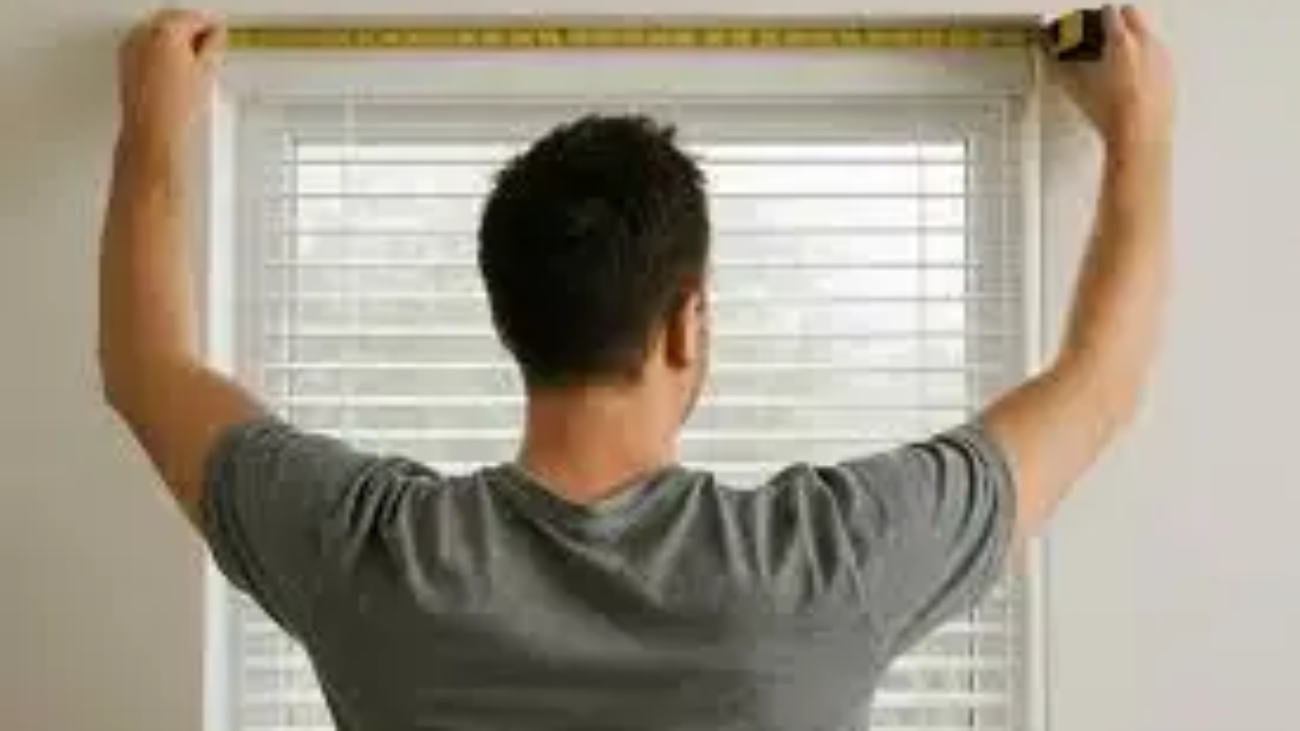
Place your steel measuring tape inside the window frame. Measure the width in three places: the top, the middle, and the bottom. Write down all three numbers. Circle the smallest measurement. The factory will use this smallest width to ensure the hardware clears the frame without scraping the sides.

Step 2: Measure Height

Next, measure the height from the top inside edge of the window frame down to the windowsill. Do this on the far left, the center, and the far right. Write down all three numbers. This time, circle the longest measurement. Using the longest height ensures your blinds will reach all the way to the bottom and provide full coverage.

Step 3: Measure Depth

Measure the depth of your window frame from the glass to the outer edge of the casing. Check the manufacturer’s product guide to see the “minimum depth requirement.” If your window is too shallow, the headrail will stick out, or you may not be able to install an inside mount at all.

Pro Tip: Always measure in exact inches down to the nearest 1/8th of an inch. Do not round your numbers up or down. Precision is the key to a professional fit.

How to Measure Windows for Outside Mount Blinds

Outside mounts are slightly more forgiving, but you still need a methodical approach to guarantee good coverage.

Step 1: Measure Width

Measure the width of the window opening. To ensure the blinds block light effectively and cover the frame entirely, add extra inches to this measurement. Industry best practices recommend adding 2 to 4 inches to each side (4 to 8 inches total).

Step 2: Measure Height

Decide exactly where you want to place the headrail. Usually, installers place the top mounting point 2 to 3 inches above the window frame to prevent light from leaking over the top. Measure from this top mark down to your desired length. If you have a protruding sill, measure down to the sill. If the sill does not stick out, you can measure past it for maximum coverage.

Step 3: Consider Overlap

Review your final numbers to ensure adequate overlap on all four sides. Proper overlap is the secret to getting a room truly dark and maintaining total privacy.

Standard Window Sizes vs Custom Measurements

You might think you can just buy standard sizes at the hardware store. However, not all windows are standard. As houses settle over time, window frames shift, meaning a window that looks perfectly square rarely is.

If your measurements match off-the-shelf dimensions exactly, standard blinds can save you money. However, if your measurements are off by even a quarter of an inch, you should choose custom blinds. Custom options give you total control over the exact fit, style, and functionality.

Common Mistakes to Avoid When Measuring Windows for Blinds

Even DIY veterans make mistakes. Keep your project on track by avoiding these common errors:

  • Using fabric tape instead of steel: Cloth bends and stretches, ruining your accuracy.
  • Rounding measurements: Rounding to the nearest half-inch will result in fixtures that are too tight or too loose.
  • Measuring only once: Measure twice to verify your numbers before placing an order.
  • Ignoring depth: Failing to check depth means your inside mount brackets might not fit.
  • Confusing width and height: Always format your numbers as Width x Height. Mixing these up is the number one reason for returns.

Expert Tips for Perfect Blind Fit

Drawing from years of professional installation experience, here are a few advanced tips to ensure success:

  • Measure twice, order once: Double-check every single number. It takes two minutes but saves weeks of hassle.
  • Check manufacturer guidelines: Every brand has slightly different factory deduction rules. Read the blinds size guide provided by the specific company you buy from.
  • Consider window obstructions: Look out for crank handles, alarm sensors, or window locks. These stick out and can block your new window treatments from lowering properly.
  • Account for brackets and hardware: Remember that the headrail houses the mechanical parts. Ensure you have flat space to drill the screws in securely.
  • Consult professionals if unsure: If you have angled windows, bay windows, or French doors, reach out to customer support. It is better to ask for technical guidance than to guess.

Measuring for Different Types of Blinds

The general rules apply to most styles, but keep these specifics in mind depending on what you buy:

  • Roller blinds: The fabric on a roller shade is always slightly narrower than the top mechanism. Be prepared for a small light gap on the sides of inside mounts.
  • Vertical blinds: If installing over a sliding glass door, ensure you measure high enough above the door frame so the hardware does not obstruct the door’s movement.
  • Venetian blinds: Because these stack up thickly when raised, consider an outside mount if you want to keep your entire window glass visible when the fixture is pulled up.
  • Roman blinds: These feature thick fabric folds. Make sure your window frame has enough depth to accommodate the bulky fabric when fully raised.

Quick Measurement Checklist

Keep this checklist handy when you are ready to tackle the job:

  • Steel measuring tape secured
  • Mount type selected (Inside vs. Outside)
  • Width measured (Top, middle, bottom)
  • Height measured (Left, center, right)
  • Depth checked against product requirements
  • Measurements written clearly (Width x Height)
  • Double-checked all numbers for accuracy

FAQs

What is the correct way to measure windows for blinds?

Use a steel measuring tape. For inside mounts, measure the width at the top, middle, and bottom, using the narrowest width. Measure the height at the left, center, and right, using the tallest height. Record measurements to the nearest 1/8th inch.

Should blinds be wider than the window?

For an inside mount, they should be slightly narrower than the window frame so they fit inside without rubbing. For an outside mount, they must be wider than the window opening (usually 4 to 8 inches extra total) to block light and ensure privacy.

How much depth is needed for inside mount blinds?

Depth requirements vary by product style. Generally, you need at least 3/4 inch to 1 inch of flat space for a minimum flush mount, and up to 3 inches for a fully flush mount where the headrail does not stick out at all.

Can I install blinds without professional help?

Yes. If you follow a reliable window measurement guide and take accurate numbers, installing them yourself is a straightforward DIY project that usually requires only a drill, a screwdriver, and a few basic tools.

Conclusion

Learning how to measure windows for blinds correctly is the most critical step in upgrading your home’s interior. Precise measurements guarantee a clean, professional finish, enhance your room’s light control, and protect your budget from costly ordering errors.

Take your time, use a steel measuring tape, and follow the exact steps outlined above. Always review the specific product guides and manufacturer recommendations before making your final purchase. By combining these expert techniques with careful attention to detail, you will achieve perfectly fitted window treatments that look stunning for years to come.

Best Window Treatment Trends

Best Window Treatment Trends in Westchester Homes

Upgrading your home often starts with the details, and few elements make a bigger impact than your windows. The right window coverings do much more than just block the sun. They pull a room together, protect your privacy, and keep your energy bills in check.

For homeowners in this beautiful area, finding the perfect balance of function and style is key. You want pieces that elevate your interior design while standing up to distinct local weather changes. We are here to help you navigate the best options available right now.

In this guide, we will explore the latest window treatment trends Westchester residents are choosing in 2026. You will learn about the most popular materials, how to select the right styles for your specific rooms, and local factors you should keep in mind.

The Top Window Treatment Trends for 2026

Design preferences are shifting toward a mix of high-tech convenience and organic beauty. This year, homeowners are embracing solutions that make life easier without sacrificing aesthetic appeal. Here are the leading trends taking over local homes.

Smart Home Automation

Motorized blinds and shades are no longer just a luxury; they are a modern home standard. You can now control your natural light with a tap on your smartphone or a simple voice command. Automated systems let you schedule your shades to open at sunrise and close at dusk. This adds a layer of security while maximizing your daily energy efficiency.

Natural Materials and Textures

Bringing the outdoors inside remains a massive trend in 2026. Woven wood shades, bamboo blinds, and linen draperies are incredibly popular right now. These natural textures add warmth and depth to your living spaces. They pair beautifully with the classic, transitional design styles seen in many local properties.

Energy-Efficient Cellular Shades

With utility costs always on our minds, functional design is taking center stage. Cellular shades, also known as honeycomb shades, trap air at the window to insulate your rooms. They keep your house warmer in the winter and cooler in the summer. Modern versions come in sleek, light-filtering fabrics that look elegant while doing heavy lifting for your energy bills.

Timeless Plantation Shutters

Shutters never truly go out of style, but they are seeing a major resurgence this year. They offer incredible curb appeal and allow for precise light control. Crisp white composite shutters are especially trendy for bathrooms and kitchens because they resist moisture. Meanwhile, rich wood shutters bring a stately feel to living rooms and home offices.

How to Choose the Right Treatments for Your Space

Selecting the perfect window coverings requires looking at both how a room looks and how you use it. Every space has different needs when it comes to light control, durability, and privacy.

Matching Room and Function

Start by thinking about the daily activity in the room. Bedrooms require maximum privacy and darkness, making blackout shades or layered curtains an excellent choice. Kitchens and bathrooms see a lot of humidity. For these spaces, you need moisture-resistant materials like faux wood blinds or composite shutters. Living rooms often benefit from sheer shades that softly diffuse sunlight while protecting your furniture from UV damage.

Selecting Colors and Materials

When it comes to color, neutral tones like warm whites, soft grays, and natural wood stains offer the most versatility. They blend seamlessly with the traditional and modern farmhouse décor styles common in our area. If you want to make a statement, consider adding a pop of color through fabric Roman shades or patterned drapery panels. Always ensure the material you choose complements your existing flooring and furniture finishes.

Local Considerations for Westchester Properties

Living in this region comes with specific architectural and environmental quirks. When you review the latest window treatment trends Westchester designers recommend, you have to account for local factors.

Managing Seasonal Sunlight

Our area experiences intense summer sun and freezing winter temperatures. Your window coverings must handle both extremes effectively. Solar shades work perfectly for south-facing rooms that get baked by the summer sun. They block heat and glare while preserving your view of the changing seasons. For the colder months, heavily lined drapes or cellular shades provide necessary insulation against icy drafts.

Enhancing Historic Home Styles

Many local neighborhoods feature gorgeous historic homes, from classic Colonials to charming Tudors. Upgrading windows in these older properties requires a thoughtful touch. You want modern convenience without ruining the traditional charm. Custom wooden blinds or elegant Roman shades honor the architectural integrity of historic homes while providing updated functionality.

Elevate Your Home with The Blinds R Us

Updating your windows is a fantastic way to refresh your space, boost your property value, and improve your daily comfort. Whether you want to embrace smart home automation or install classic wooden shutters, the right choices make a massive difference.

Are you ready to transform your living spaces with the latest designs of 2026? We have an extensive collection of premium blinds, shades, and shutters tailored to fit your unique style and needs.

Browse the incredible selection of products at The Blinds R Us today. Contact our team to schedule a personalized consultation, and let us help you bring your vision to life!


Blinds vs Shades vs Shutters: The Ultimate Guide

The Ultimate Guide to Window Treatments: Blinds vs Shades vs Shutters

Windows do much more than just let light into your home. They frame your view of the outside, dictate the mood of a room, and play a massive role in your home’s energy efficiency. Choosing the right window covering matters because it impacts your daily comfort, your utility bills, and your interior design. If you feel overwhelmed by the endless options on the market, you are not alone. When weighing blinds vs shades vs shutters, making the right choice comes down to understanding exactly how each option functions and fits into your lifestyle.

Let’s break down everything you need to know about these three popular window treatments so you can make a confident, stylish decision for your home.

What Are Blinds?

Blinds are hard window treatments featuring individual horizontal or vertical slats. You can tilt these slats open or closed to control light, or you can raise and lower the entire unit to clear the window entirely.

Because of their adjustable slats, blinds offer excellent, precise control over how much natural light enters your room.

Common Types and Styles:

  • Venetian Blinds: The classic horizontal slat design.
  • Vertical Blinds: Long vertical slats that hang from a top track, perfect for sliding glass doors or wide windows.
  • Mini Blinds: Featuring narrower slats (usually about an inch wide), these work well for smaller windows.

Popular Materials:

  • Wood: Offers a rich, natural look but can warp in high humidity.
  • Faux Wood: Mimics the look of real wood but withstands moisture, making it highly durable.
  • Aluminum/Metal: Lightweight, highly affordable, and very durable.

What Are Shades?

Unlike the hard slats of blinds, shades consist of a continuous roll or panel of soft fabric. They fit snugly inside or just outside the window frame. You operate shades by pulling the fabric up or down, either with a cord, a continuous loop, or a motorized system.

Shades bring a softer, warmer aesthetic to a room and offer incredible versatility when it comes to patterns, colors, and textures.

Common Types and Styles:

  • Roller Shades: A simple, sleek fabric panel that rolls around a tube at the top of the window.
  • Roman Shades: Fabric that gathers into neat, elegant folds when raised, adding a touch of luxury.
  • Cellular (Honeycomb) Shades: Fabric designed with open pockets (cells) that trap air, providing superior insulation.

Popular Materials:

  • Cotton and Linen: Give a natural, breezy look.
  • Synthetic Blends: Highly durable and easy to clean.
  • Blackout Fabrics: Specially lined materials that block out entirely all incoming light.

What Are Shutters?

Shutters are sturdy, premium window coverings typically integrated directly into the window frame. They consist of a solid frame with horizontal louvers (slats) that you can tilt to adjust light and airflow. You can also swing the shutter panels open entirely like doors.

Shutters act as architectural elements in your home. They add significant curb appeal and can even increase your property value.

Common Types and Styles:

  • Plantation Shutters: The most popular style, featuring wide louvers that offer a clean look and excellent visibility when open.
  • Café Style: Shutters that cover only the bottom half of the window, providing privacy while letting light flood in from the top.
  • Tier-on-Tier: Two separate panels stacked on top of each other, allowing you to open the top and bottom independently.

Popular Materials:

  • Solid Wood: Classic, beautiful, and highly customizable with paints or stains.
  • Composite/MDF: Wood fibers wrapped in a durable coating, offering the look of wood with added strength.
  • Vinyl: Highly resistant to moisture and practically maintenance-free.

Blinds vs Shades vs Shutters: The Great Comparison

To choose the perfect fit, you need to see how these three contenders stack up against each other across the most important categories.

Light Control and Privacy

  • Blinds: Excellent. You can tilt the slats to let in a sliver of light while maintaining complete privacy from neighbors.
  • Shades: Great, but less flexible. Shades are typically either up (light) or down (privacy). However, you can choose the opacity of the fabric—from sheer to total blackout—to dictate how much light filters through when closed.
  • Shutters: Unmatched. Like blinds, the louvers tilt for precise light control. Because they fit tight to the frame, they eliminate light gaps entirely when closed.

Energy Efficiency

  • Blinds: Moderate. They block direct sunlight, which helps keep rooms cool in the summer, but the gaps between slats allow air to escape, offering minimal insulation.
  • Shades: Highly variable. A standard roller shade offers basic light filtering. However, cellular shades are the undisputed champions of energy efficiency. Their honeycomb design traps air, keeping your home warm in the winter and cool in the summer.
  • Shutters: Excellent. Because they act as a solid, insulating barrier against the glass, thick wood or composite shutters prevent drafts and block intense heat transfer.

Aesthetic Appeal and Style Options

  • Blinds: Clean, functional, and modern. They blend easily into almost any decor but rarely serve as a room’s focal point.
  • Shades: Limitless. With thousands of fabrics, colors, and patterns available, shades allow you to express your personal style and add softness to a space.
  • Shutters: Timeless and elegant. They give a custom, built-in look that elevates the architecture of a room. They lean slightly traditional but look stunning in modern farmhouses and coastal homes.

Maintenance and Durability

  • Blinds: Faux wood and aluminum blinds are highly durable. Cleaning requires regular dusting or wiping down individual slats, which takes a bit of time.
  • Shades: Fabric can stain or absorb odors over time. You usually need to spot-clean them or gently vacuum them with a brush attachment. They generally need replacing sooner than hard treatments.
  • Shutters: The most durable option. High-quality shutters can last for decades. They are also incredibly easy to clean—just a quick wipe with a microfiber cloth does the trick.

Cost Considerations

  • Blinds: The most budget-friendly option. They offer a great return on investment and work perfectly for homeowners looking to outfit an entire house affordably.
  • Shades: Mid-range. Prices vary wildly depending on the fabric and operating system (like motorization). Simple roller shades are very cheap, while custom Roman shades cost more.
  • Shutters: The most expensive upfront. However, you must view shutters as a long-term investment. Because they are permanent fixtures, they increase the resale value of your home.

How to Choose the Best Option for Every Room

Different rooms serve different purposes, meaning your window treatments need to adapt to the environment.

Living Room

Your living room needs to feel welcoming. You want natural light, but you also need to prevent glare on your television screen.

  • Top Pick: Roman shades or cellular shades. They add soft texture to your gathering space. If you prefer hard treatments, wood blinds offer a warm, inviting feel with great glare control.

Bedroom

Sleep quality dictates everything. Your bedroom demands complete privacy and serious light control.

  • Top Pick: Blackout roller shades or cellular shades. If you love the look of slats, consider pairing blackout shades with stylish plantation shutters for the ultimate quiet, dark sleeping cave.

Kitchen

Kitchens get messy. Cooking grease, steam, and water splashes mean you need something incredibly durable and easy to wash.

  • Top Pick: Faux wood blinds or vinyl shutters. Both wipe clean with a damp cloth and will never warp or crack from the humidity of a boiling pot.

Bathroom

Privacy is non-negotiable in a bathroom. Like kitchens, bathrooms also deal with high moisture levels from hot showers.

  • Top Pick: Vinyl shutters or faux wood blinds. Fabric shades run the risk of developing mildew in damp environments, making hard, moisture-resistant materials your safest and most stylish bet.

Ready to Transform Your Windows?

Choosing the right window treatments transforms how your home looks, feels, and functions. Blinds offer fantastic budget-friendly light control, shades bring soft fabrics and energy efficiency, and shutters provide unmatched durability and timeless architectural beauty.

You do not have to make this decision alone. At Blinds R Us, we pride ourselves on helping homeowners find the perfect match for their unique style and budget. Browse our wide selection of premium materials online, or reach out to our team of experts today. Let us help you bring your vision to life and turn your windows into the highlight of your home!

Right Window Blinds for Every Room

How to Choose the Right Window Blinds for Every Room

Updating your window coverings transforms the entire look and feel of your home. It goes far beyond simply blocking out the sun. The right window treatments offer vital privacy, regulate indoor temperatures, and tie your interior design together. When you take the time to select the right window blinds for every room, you create spaces that are both highly functional and beautifully styled.

Every space in your house serves a different purpose, which means a one-size-fits-all approach rarely works. A moisture-heavy bathroom requires entirely different materials than a cosy bedroom. This guide will walk you through exactly what to look for, helping you navigate styles, materials, and practical considerations to find the perfect match for your home.

Your Room-by-Room Guide to Window Blinds

Choosing blinds room by room ensures you meet the specific functional needs of each space while maintaining a cohesive look throughout your home.

The Living Room

The living room is where you entertain guests, relax with family, and often watch television. Light control and aesthetic appeal are your top priorities here. You want the flexibility to let in natural light during the day while blocking out harsh glares on your TV screen. Layered treatments work exceptionally well here. Consider sheer blinds paired with heavier blockout options, giving you ultimate control over privacy and lighting. Choose styles that complement your furniture and wall colours, creating a welcoming and comfortable atmosphere.

The Bedroom

Sleep quality relies heavily on your environment. In the bedroom, maximum light control and complete privacy are essential. Blockout fabrics are the gold standard for bedrooms, preventing early morning sunlight from waking you up. If your bedroom faces a busy street, consider materials that also offer some acoustic insulation. For a softer look, many homeowners pair sturdy blockout blinds with flowing sheer curtains.

The Kitchen

Kitchens present unique challenges. They experience high traffic, fluctuating temperatures, and plenty of moisture, grease, and food splatters. Durability and maintenance should drive your decision in this space. Avoid heavy fabrics that absorb odours and moisture. Instead, opt for easy-to-clean materials like PVC, faux wood, or aluminium. You want a blind you can simply wipe down with a damp cloth while easily adjusting it to let in bright morning sunshine.

The Bathroom

Bathrooms demand complete privacy and high resistance to humidity. Natural timber blinds might warp or crack under these conditions, making them a poor choice. Moisture-resistant options, such as faux wood Venetians or PVC roller blinds, are ideal. They offer the sleek look of traditional materials but stand up to steam and water splashes without degrading. Ensure the mechanism allows you to angle the slats, letting steam escape while keeping peering eyes out.

The Home Office

With more people working from home, the home office requires careful attention to light management. Screen glare causes eye strain and ruins productivity. You need window treatments that gently filter sunlight rather than blocking it entirely. Light-filtering blinds reduce harsh rays while keeping the room bright enough for video calls and focused work. Consider clean, minimal designs that keep the space feeling professional and uncluttered.

Popular Types of Window Blinds Explained

Understanding the different styles available helps you narrow down the best choice for your specific needs. Here are the most popular options on the market.

Roller Blinds

Roller blinds offer a sleek, minimalist profile that fits perfectly into modern Australian homes. They consist of a single piece of fabric that rolls up neatly at the top of the window. You can find them in sheer, light-filtering, and blockout fabrics. They are incredibly easy to operate and maintain, making them a versatile choice for almost any room.

Venetian Blinds

Venetian blinds feature horizontal slats that you can tilt to control the exact amount of light and privacy you need. They come in aluminium, natural timber, and faux wood. Aluminium is incredibly durable and great for modern spaces, while timber brings warmth to living areas. Faux wood is the perfect compromise for wet areas like bathrooms and kitchens.

Vertical Blinds

If you have sliding doors or large, expansive windows, vertical blinds are an excellent solution. The vertical fabric panels stack neatly to the side, providing easy access to doors. They offer great light control and are highly cost-effective for covering large areas, making them a popular choice for open-plan living spaces.

Panel Track Blinds

Panel track blinds take the concept of vertical blinds and modernise it. They use wide fabric panels that slide along a track. These are perfect for large glass doors and can even double as stylish room dividers. They offer a contemporary, sophisticated look that works beautifully in large living areas.

Plantation Shutters

While technically shutters rather than traditional blinds, these remain a highly sought-after window treatment. Plantation shutters add significant value to your home and provide excellent insulation. The adjustable louvres give you precise control over airflow and light. They offer a timeless, elegant look that suits both heritage and contemporary homes.

Practical Tips for Your Window Makeover

Before you make a purchase, keep these essential practical tips in mind to ensure a flawless result.

Measure with Precision

Accurate measurements are the foundation of great-looking blinds. Always measure your windows in three places—top, middle, and bottom—to account for any irregularities in the window frame. Decide early on whether you want an inside mount (sitting inside the window frame) or an outside mount (covering the frame entirely). Inside mounts look cleaner, but outside mounts block more light.

Choose the Right Materials

Match the material to the room’s function. Keep natural wood out of wet areas. Use heavy blockout fabrics for sleeping areas and easily wipeable materials for cooking spaces. Always ask for material swatches before committing, so you can see how the fabric or texture looks under your home’s unique lighting conditions.

Coordinate with Your Décor

Your blinds should complement your room, not fight with it. If your room features bold, patterned furniture or bright rugs, opt for neutral window coverings that provide a calming balance. Conversely, if your room relies on neutral tones, a textured or coloured blind can serve as a subtle feature piece. Match hardware and chain colours to the existing fixtures in your room for a seamless finish.

Ready to Transform Your Windows?

Choosing the right window blinds requires balancing aesthetics with everyday practicality. By considering the unique needs of your living spaces, bedrooms, and wet areas, you can select window treatments that elevate your home’s comfort and style. Take the time to measure carefully, compare materials, and think about how you use each room throughout the day.

If you are ready to upgrade your home with high-quality, stylish window coverings, we are here to help. Explore our extensive range of premium options and find the perfect fit for your space by visiting Blinds R Us today. Whether you need blockout rollers for the bedroom or moisture-resistant Venetians for the bathroom, our experts can guide you toward the perfect solution.