
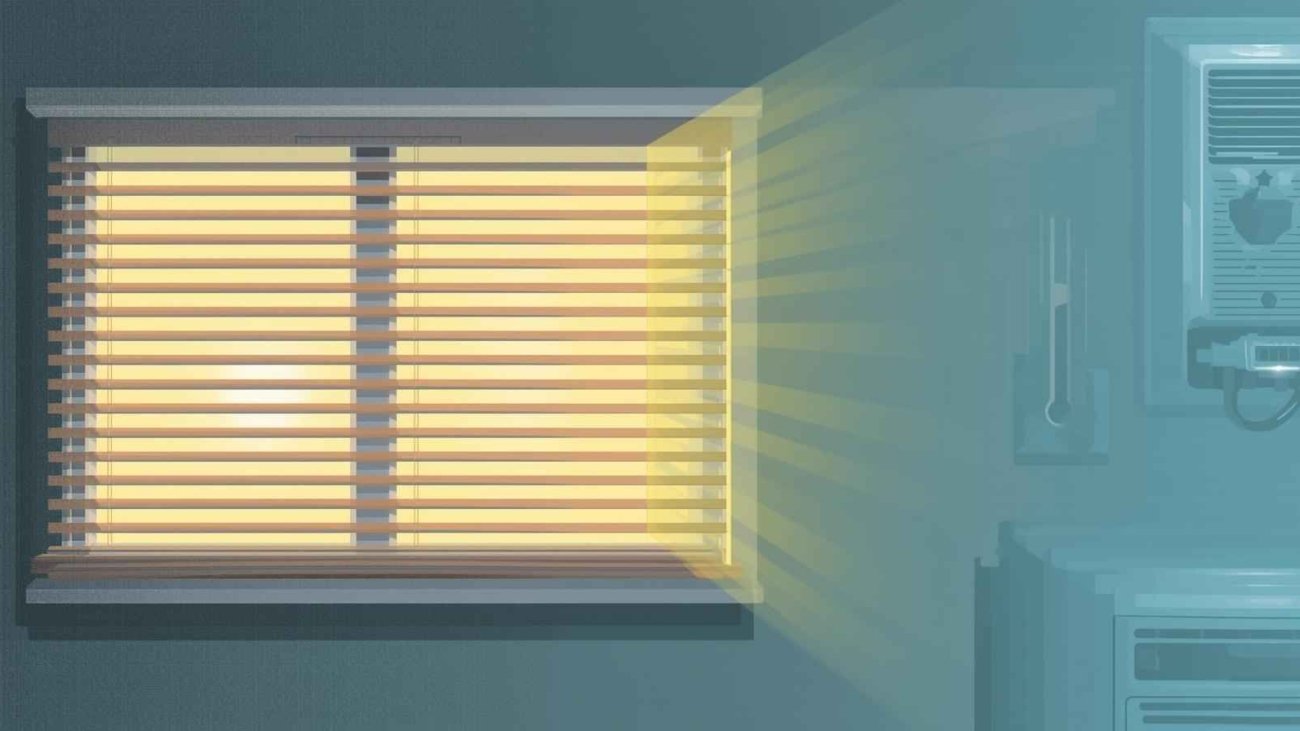
How Window Blinds Affect Indoor Temperature More Than HVAC Settings

Why Interior Designers Are Replacing Curtains With Layered Blind Systems

When it comes to window treatments, traditional curtains have long been the go-to choice for homeowners and interior designers alike. They add softness and color to a room, creating a cozy atmosphere. However, as design trends evolve, many are starting to question if these classic options still hold up against modern needs. Enter layered blind systems—a fresh take on how we dress our windows.

With their sleek designs and innovative functionality, layered blinds are rapidly gaining popularity in interior design circles. But what makes them so appealing? Are they simply a trend or do they offer tangible benefits that curtains cannot provide? Let’s explore why more designers are swapping out drapes for this stylish alternative and discover how you can embrace this shift in your own space.

The rise of layered blind systems in interior design

Layered blind systems have surged in popularity among interior designers, marking a significant shift in window treatments. These innovative solutions combine multiple types of blinds or shades to create depth and texture.

Homeowners appreciate the versatility these layered systems offer. By mixing materials like sheer panels with blackout blinds, one can control light levels while maintaining privacy. This adaptability suits various styles, from minimalist to bohemian.

The aesthetic appeal is undeniable. Layering allows for creative freedom—mixing colors and patterns can transform an ordinary window into a focal point of the room. Designers can tailor each installation based on personal taste or existing decor.

Functionality is another driving force behind this trend. Unlike traditional curtains, layered blind systems provide better insulation and energy efficiency, making them an eco-conscious choice for modern living spaces.

Benefits of using layered blind systems

Layered blind systems offer a fresh approach to window treatments, merging style with functionality. They allow for versatile light control, giving you the ability to filter sunlight or block it entirely when needed.

These blinds can be adjusted independently, letting you customize your environment based on time of day and mood. This flexibility is unmatched by traditional curtains.

Another significant advantage is their aesthetic appeal. Layering different styles and materials creates depth and visual interest in any room. You can mix colors or textures that complement your decor beautifully.

Maintenance is also simpler than with curtains. Most layered blind systems are easy to clean and dust-resistant, making them a practical choice for busy households.

Energy efficiency plays a role too; many options provide insulation properties that help maintain indoor temperatures year-round. That means reduced energy bills while keeping your home cozy.

Creative ways to layer blinds for a unique look

Layering blinds opens up a world of creative possibilities. One popular approach is to combine sheer and blackout roller shades. Sheers allow soft light to filter in, while blackout options provide privacy when needed.

Consider adding wooden or faux-wood blinds beneath softer fabric Roman shades. This combination adds texture and warmth, balancing functionality with style.

For a playful touch, mix patterns and colors. Use two sets of different-coloured cellular shades to make a bold statement that can also enhance insulation.

Another innovative idea is to pair vertical blinds with horizontal ones at different heights. This creates visual interest and depth, drawing the eye across the space in an unexpected way.

Don’t shy away from unique hardware either; decorative rods or clips can elevate your layered look even further, making each window an artistic focal point in your home.

Cost comparison between curtains and layered blind systems

When considering window treatments, cost plays a crucial role in decision-making. Traditional curtains can vary widely in price based on fabric, design, and brand. High-quality drapes often come with higher price tags, not to mention the additional costs for hardware and installation.

Layered blind systems offer flexibility. They can be more budget-friendly than custom curtains while providing versatility in light control and privacy. Options range from basic roller shades to sophisticated layered designs that cater to various aesthetics.

Moreover, blinds generally require less maintenance than curtains. This longevity can lead to savings over time since you won’t have to replace them as frequently due to wear or fading.

Investing in layered blinds may also increase your home’s value. As modern trends shift toward functional yet stylish solutions, potential buyers appreciate well-designed window coverings that enhance a space’s appeal without compromising practicality.

How to choose the right layered blind system for your space

Choosing the right layered blind system involves several key considerations. Start by assessing your space’s size. Larger rooms may benefit from wider, more dramatic blinds, while compact areas might call for sleek, minimal designs.

Next, think about functionality. Do you need maximum light control or privacy? Different materials offer varying levels of both. Sheer fabrics allow soft daylight to filter through while maintaining some privacy.

Color and texture play a significant role too. Coordinate with existing decor to create harmony in your design scheme. A bold color can serve as an eye-catching focal point.

Consider installation options as well—some systems are easier to mount than others. Don’t forget maintenance; choose materials that suit your lifestyle for effortless upkeep without compromising style.

Conclusion: Embracing the trend towards modern, functional window coverings

The shift from traditional curtains to layered blind systems marks a significant change in the way we think about window treatments. As more designers embrace this trend, it’s clear that functionality and style can go hand-in-hand. Layered blind systems offer customization, practicality, and a modern aesthetic that appeals to today’s homeowners.

These innovative solutions allow for light control and privacy while adding depth to any room. With options available for every taste and budget, they are becoming the go-to choice among interior design professionals.

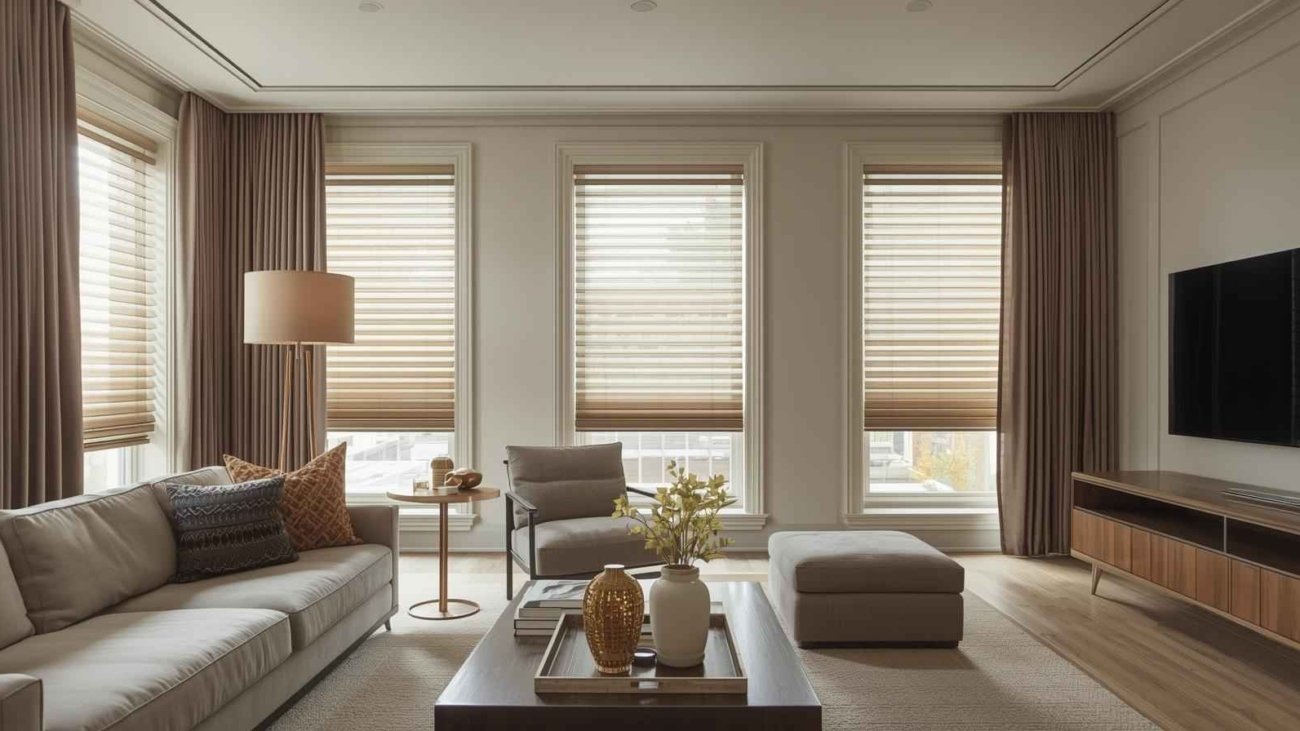
Why Interior Designers Are Replacing Curtains With Layered Blind Systems

How Window Blinds Affect Indoor Temperature More Than HVAC Settings

When it comes to maintaining a comfortable indoor temperature, many people immediately think of their HVAC systems. While these systems are essential for regulating heating and cooling, there’s another player in the game that often goes unnoticed: window blinds. These simple yet effective window treatments can significantly impact your home’s climate—sometimes even more than your thermostat settings.

Imagine stepping into a room where the sunlight is filtered just right or being able to block out unwanted heat during the peak of summer—all thanks to your choice of window blinds. Whether you’re looking for energy efficiency or simply wishing to create a cozy ambiance, understanding how these stylish additions affect indoor temperatures is crucial. So let’s delve deeper into the world of window blinds and discover why they should be on every homeowner’s radar when it comes to managing comfort levels at home.

Understanding the role of HVAC settings in regulating temperature

HVAC systems play a crucial role in maintaining indoor comfort. They regulate temperature by controlling airflow and adjusting heating or cooling levels based on the thermostat settings.

When temperatures soar outside, your air conditioning kicks in. Conversely, during colder months, the heater warms up your living space. This balance is vital for creating a comfortable atmosphere.

However, HVAC efficiency can be influenced by other factors, such as insulation and window treatments. If windows allow too much heat to enter or escape, even the best HVAC system may struggle to maintain desired temperatures.

Properly adjusted settings can optimize energy use but are not always enough alone. Homeowners need to consider how external elements impact their indoor climate too.

Understanding how these components work together helps you create an efficient environment while keeping energy bills manageable.

How window blinds can improve energy efficiency

Window blinds play a crucial role in enhancing energy efficiency within your home. They act as an additional layer of insulation, reducing the amount of heat that enters or escapes through windows.

During hot months, closed blinds can block out harsh sunlight, keeping indoor temperatures cooler without relying heavily on HVAC systems. This not only saves energy but also lowers your utility bills.

In colder months, window blinds trap warmth inside by preventing cold drafts from seeping in. By adjusting them according to the season, you can maintain a comfortable living environment with minimal energy consumption.

Choosing high-quality materials and designs further enhances their effectiveness. For instance, thermal or blackout blinds offer superior temperature control compared to standard options.

Investing in the right window treatments pays off over time while contributing positively to a sustainable lifestyle.

Different types of window blinds and their effectiveness in controlling temperature

When it comes to window blinds, variety plays a crucial role in temperature control. Each type offers distinct benefits based on your needs.

Cellular shades are designed with air pockets that trap heat. This makes them particularly effective for insulating windows during both summer and winter months.

Roller blinds provide simplicity and versatility. Their tight fit can block out direct sunlight, keeping rooms cooler while allowing you to adjust light levels easily.

Venetian blinds offer slats that can be tilted for optimal light management. They allow airflow while preventing excessive heat from entering the space when angled correctly.

Blackout shades excel at blocking out not just light but also heat from outside sources, making them perfect for bedrooms or media rooms where comfort is key.

Choosing the right style not only enhances aesthetics but significantly impacts indoor climate management as well.

Tips for choosing the right window blinds for your home

Choosing the right window blinds involves more than just aesthetics. Consider your room’s function first. For bedrooms, blackout blinds can enhance sleep quality by blocking light effectively.

Next, think about energy efficiency. Cellular shades offer excellent insulation properties that help maintain a comfortable temperature indoors while reducing energy bills.

Material is crucial too. Wood blinds add warmth and elegance but may warp in high humidity areas like kitchens or bathrooms. In such spaces, faux wood or vinyl options are much more suitable.

Don’t forget style! Your choice should complement your existing décor. Whether you prefer modern roller shades or classic Roman blinds, ensure they reflect your personal taste.

Consider ease of use and maintenance. Cordless options provide safety for children and pets while being easy to clean—perfect for busy households.

Additional benefits of using window blinds

Window blinds offer more than just temperature control. They enhance privacy, allowing you to enjoy your space without prying eyes. By adjusting the slats, you can let in natural light while maintaining a shield from outside observers.

Another advantage is noise reduction. Quality window blinds can help dampen sound, contributing to a quieter home environment. This is especially beneficial for those living in busy urban areas or near roadways.

Aesthetic appeal cannot be overlooked either. Blinds come in various styles and colors that complement any décor, adding a touch of elegance to your interiors.

Additionally, they contribute to improved indoor air quality by reducing dust accumulation on furniture and floors. With easy maintenance—just a quick wipe down—you’ll keep allergens at bay while ensuring your home stays fresh.

Many modern blinds are eco-friendly options made from sustainable materials that align with green living practices.

Conclusion: The importance of considering window blinds when managing indoor temperature

When it comes to managing indoor temperature, the impact of window blinds is often underestimated. While HVAC systems are essential for heating and cooling, window treatments can play a crucial role in enhancing comfort and efficiency. By choosing appropriate window blinds, you not only regulate heat gain or loss but also improve your energy savings.

The right window blinds act as an effective barrier against outside temperatures, helping maintain a stable indoor climate without relying solely on HVAC settings. This combination leads to reduced energy consumption and lower utility bills.

In addition to their practical benefits, window blinds can elevate the aesthetic appeal of your home while providing privacy and light control. Working with a knowledgeable window treatment consultant can help you select the best options tailored to your specific needs.

Soundproofing Your Home Using the Right Window Treatments

Soundproofing Your Home Using the Right Window Treatments

Imagine coming home after a long day, only to be greeted by the irritating sounds of traffic, barking dogs, or noisy neighbors. It can be frustrating and exhausting. Luckily, there’s a solution that not only enhances your home’s aesthetic but also provides that much-needed tranquility: soundproofing with window treatments.

Choosing the best window treatments can transform your living space into a serene escape from the chaos outside. Let’s explore why soundproofing is essential and how you can achieve it with the right options for your windows.

Understanding the Importance of Soundproofing in a Home

Soundproofing your home goes beyond mere comfort; it’s about creating a sanctuary. Noise pollution can disrupt sleep, concentration, and even relaxation.

Imagine trying to work from home with the constant hum of traffic or loud neighbors invading your peace. Over time, these distractions can lead to increased stress levels.

Moreover, soundproofing enhances privacy. You want to enjoy intimate moments without worrying about prying ears catching snippets of conversations.

In urban environments, where noise is often unavoidable, effective soundproofing becomes essential for maintaining an inviting atmosphere. It allows you to control your environment better and fosters a sense of well-being within your personal space.

Investing in soundproof solutions ultimately leads to improved quality of life at home—an aspect we all crave after busy days in the outside world.

Different Types of Window Treatments for Soundproofing

When it comes to soundproofing your space, the right window treatments make a significant difference. Thick curtains are often the go-to choice. They can absorb sound and minimize outside noise effectively.

Another excellent option is cellular shades. Their unique honeycomb structure traps air, providing insulation that helps reduce noise transmission while also offering energy efficiency.

Layered window treatments combine different materials for added effectiveness. A sheer curtain paired with a heavier drape can create both style and functionality.

Acoustic panels designed as decorative fabric screens are another innovative approach. These not only enhance aesthetics but also serve as barriers against sound.

Consider storm windows or double-pane glass installations if you’re looking for more permanent solutions. They significantly dampen outdoor sounds while improving energy efficiency in your home.

How to Choose the Right Window Treatments for Your Home

Choosing the right window treatments can significantly enhance your home’s soundproofing. Start by assessing your specific needs. Are you dealing with loud traffic or noisy neighbors? Different environments require different solutions.

Consider fabric thickness when selecting drapes or shades. Heavy, dense materials are more effective at blocking sound than lighter fabrics. Look for options labeled as “soundproof” or “acoustic,” which often feature additional layers for better insulation.

Next, measure your windows accurately to ensure a perfect fit. Ill-fitting treatments can create gaps that allow noise to seep through.

Don’t forget about style and aesthetics. The best window treatments should blend seamlessly with your decor while serving their functional purpose.

Take into account ease of use and maintenance. Treatments that are easier to operate will encourage regular use, maximizing their effectiveness in creating a quieter atmosphere at home.

DIY vs Professional Installation: Which is Best for Soundproofing?

When it comes to soundproofing your home, the choice between DIY and professional installation can be pivotal.

DIY projects often appeal due to cost savings and a sense of accomplishment. With the right materials, such as heavy curtains or acoustic panels, you can effectively reduce noise levels without breaking the bank. Plus, there’s flexibility in choosing designs that match your decor.

On the other hand, professional installation offers expertise and efficiency. Professionals have access to specialized tools and knowledge about acoustics that most homeowners lack. This means they can implement solutions tailored specifically for your space.

However, consider time commitment too. A DIY approach might take longer if you’re learning on-the-go versus hiring someone who knows exactly what to do.

Weigh your own skills against how quickly you want results when deciding which route is best for enhancing soundproofing with window treatments in your home.

Other Ways to Soundproof Your Home

Beyond window treatments, there are other effective strategies to enhance soundproofing in your home. Consider adding rugs or carpets to hard floors. They absorb sound and reduce echoes, making your space quieter.

Acoustic panels can also work wonders. These specially designed panels minimize noise reverberation by absorbing sound waves. You can place them strategically on walls or ceilings for maximum effect.

Additionally, sealing gaps around doors and windows is vital. Weather stripping not only keeps drafts out but also prevents unwanted noise from infiltrating your serene environment.

Don’t overlook heavy curtains either; they provide extra layers of insulation against outside sounds while enhancing the decor of any room.

Furniture placement matters too. Bookshelves filled with books act as natural sound barriers when positioned against walls that face noisy streets or neighbors. Each small change contributes to a more peaceful living space.

Creating a Peaceful and Quiet Environment with the Right Window Treatments

Creating a peaceful environment starts with the right window treatments. They act as barriers against noise, letting you enjoy your space without distractions.

Heavy drapes made from dense fabrics are excellent for absorbing sound. Consider options like velvet or thermal-lined curtains. These not only block out noise but also provide insulation.

On the other hand, cellular shades offer another layer of sound reduction while being energy efficient. Their unique design traps air and dampens sounds effectively.

Don’t overlook layered treatments either. Combining sheer curtains with blackout panels can create a versatile solution that balances light control and noise reduction.

Choosing colors and patterns that resonate with your style enhances the overall ambiance too. Aesthetic appeal matters just as much as functionality when creating calm in your home.

Investing time in selecting suitable window treatments pays off by transforming chaotic spaces into tranquil retreats where you can unwind after a long day.

Conclusion

Creating a peaceful and quiet environment in your home is achievable with the right window treatments. By understanding the importance of soundproofing, you can choose the best options for your needs. Whether you prefer thick drapes, acoustic panels, or layered solutions, each choice has its own unique benefits.

Consider both DIY projects and professional installations to find what works best for your home and budget. Don’t overlook other methods of soundproofing that can enhance your efforts. When combined with effective window treatments, these strategies contribute significantly to reducing noise pollution.

Taking steps towards better sound control not only enhances comfort but also promotes well-being. With thoughtful selection and implementation of window treatments designed for soundproofing, you’ll transform any space into a serene retreat from the outside world. Embrace tranquility by making informed choices tailored to create an ideal living environment.

The Rise of AI-Powered Smart Blinds: What Homeowners Need to Know

The Rise of AI-Powered Smart Blinds: What Homeowners Need to Know

You wake up to the soft glow of morning sunlight filtering through your window, perfectly balanced at just the right intensity. As you sip your coffee, you don’t have to lift a finger—your smart blinds intelligently adjust themselves based on the time of day and weather conditions outside. Welcome to the future of home automation with AI-powered smart blinds!

These innovative window treatments are transforming how homeowners interact with their living spaces. Gone are the days when you had to manually open or close your shades; now, advanced technology does it for you. Whether you’re looking for convenience, energy efficiency, or enhanced privacy, AI-powered smart blinds are quickly becoming one of the best options in home decor. Join us as we explore everything there is to know about these game-changing window solutions and why they might just be what your home has been missing.

How Do AI-Powered Smart Blinds Work?

AI-powered smart blinds are revolutionizing how we manage light and privacy in our homes. These innovative window treatments use sensors to detect sunlight, adjusting their position automatically throughout the day.

Equipped with machine learning algorithms, they learn your preferences over time. If you prefer more light in the morning but a darker atmosphere at night, these blinds adapt accordingly.

Integration with weather forecasts adds another layer of functionality. For instance, if rain is predicted, the blinds can close to protect interior furnishings from potential water damage.

Control options enhance user experience further. Homeowners can operate them via smartphone apps or voice commands through smart assistants like Alexa or Google Assistant.

With seamless automation and intelligent features, AI-powered smart blinds offer convenience while enhancing energy efficiency in modern living spaces.

Benefits of Using AI-Powered Smart Blinds

AI-powered smart blinds offer remarkable convenience for homeowners. Imagine controlling your window treatments with just a voice command or a tap on your smartphone. These innovations eliminate the hassle of manual adjustments.

Energy efficiency is another significant advantage. Smart blinds can adjust automatically based on sunlight and temperature, helping to maintain a comfortable indoor climate while reducing energy costs.

Privacy control becomes effortless as well. With scheduled settings, you can ensure that your home remains shielded from prying eyes when needed.

Moreover, these intelligent systems can enhance security by simulating occupancy through random opening and closing patterns when you’re away.

Many AI-powered options offer custom designs and materials, allowing homeowners to find the best window treatments that fit their unique style without sacrificing functionality.

Factors to Consider When Choosing AI-Powered Smart Blinds

Choosing the right AI-powered smart blinds involves several important factors. Start with compatibility. Ensure your new blinds can integrate seamlessly with your existing smart home system.

Next, consider the material and design. Blinds come in various styles, from sleek modern designs to more traditional looks. Your choice should complement your home’s aesthetic.

Energy efficiency is another critical aspect. Opt for blinds that help regulate temperature and offer insulation benefits.

Don’t overlook control options either. Some models provide voice activation or smartphone apps for remote management, offering convenience at your fingertips.

Think about cost versus value. While investing in advanced technology may seem steep initially, the long-term savings on energy bills might offset the price tag significantly.

Integration with Other Smart Home Devices

AI-powered smart blinds can seamlessly integrate with various smart home devices, enhancing overall convenience. Imagine your thermostat adjusting based on the amount of sunlight streaming through your windows.

When paired with smart speakers, you can control your blinds using simple voice commands. Just say the word to create the perfect ambiance in any room.

Additionally, these blinds work well with security systems. You can program them to close automatically when you’re away from home, adding an extra layer of protection.

Integration extends to lighting too. Smart lights can be set to mimic natural daylight patterns, working hand-in-hand with your window treatments for a cohesive atmosphere throughout the day.

By syncing AI-powered blinds with other devices, homeowners enjoy increased efficiency and a more intuitive living environment. This interconnectedness is at the heart of modern smart homes, making everyday tasks smoother and more enjoyable.

Potential Concerns and Limitations

While AI-powered smart blinds offer numerous advantages, they are not without their drawbacks. One significant concern is the reliance on technology. Users may face issues if there are software glitches or connectivity problems.

Privacy also comes into play. With these devices capable of collecting data to optimize performance, some homeowners worry about how this information might be used or shared with third parties.

Installation can pose challenges as well. Not all existing window frames accommodate smart solutions easily, sometimes requiring professional help for a seamless fit.

Upfront costs can deter potential buyers. Although energy savings may off-set expenses in the long run, many people hesitate to invest heavily at first glance when exploring options for the best window treatments available today.

The Future of AI-Powered Smart Blinds

The future of AI-powered smart blinds looks incredibly promising. As technology advances, we can expect even greater integration of machine learning and user preferences.

Imagine window blinds that adjust automatically based on the time of day or weather conditions. They could learn your daily routines and optimize light levels for energy efficiency.

Furthermore, advancements in materials will likely enhance durability while maintaining aesthetic appeal. Smart fabrics may become a reality, allowing for customizable designs that blend seamlessly with any decor.

Interconnectivity with other home devices will also evolve. Picture your smart blinds communicating with security systems to close at dusk or syncing with HVAC systems to maintain optimal indoor temperatures.

As users embrace sustainability, eco-friendly features might take center stage. The focus could shift toward materials sourced responsibly and processes that minimize environmental impact while delivering the best window treatments available today.

Conclusion

The world of home automation is evolving, and AI-powered smart blinds are at the forefront. These innovative window treatments offer a blend of style and technology, making them an enticing choice for modern homeowners.

As these products gain popularity, it’s essential to understand their functionality and benefits. From energy efficiency to enhanced privacy, AI-powered smart blinds cater to various needs while integrating seamlessly into other smart home devices.

When selecting the best window blinds for your space, consider factors like compatibility with existing systems and specific features that suit your lifestyle. While there may be concerns regarding cost or potential technical issues, the long-term advantages often outweigh these drawbacks.

With advancements in AI technology continuing at a rapid pace, it’s exciting to think about what lies ahead for smart blinds. They promise not only convenience but also a significant upgrade in how we experience our living environments.