Are Custom Blinds Worth It Full Cost & Benefits Guide

Are Custom Blinds Worth It? Full Cost & Benefits Guide

Are Custom Blinds Worth It Full Cost & Benefits Guide

When it comes to dressing your windows, the choices can feel overwhelming. You walk into a home improvement store and see aisles of ready-made blinds in standard sizes. They seem convenient and affordable. But then you hear about custom blinds, and you wonder: are they really worth the extra investment?

This guide will walk you through everything you need to know about custom blinds. We will break down the costs, explore the significant benefits, and compare them directly to off-the-shelf options. By the end, you will have a clear picture of whether custom window treatments are the right choice for your home.

Understanding the Cost of Custom Blinds

Let’s address the biggest question first: what do custom blinds actually cost? The price can vary widely based on several key factors. Unlike standard blinds with a fixed price tag, custom options are priced based on your specific needs and selections.

Factors Influencing the Price Tag

  • Size and Shape of Your Windows: This is the most significant cost driver. Larger windows, or uniquely shaped ones like arches and circles, require more material and specialized labor, increasing the price. A small, standard rectangular window will be much less expensive to cover than a large bay window.
  • Material Choice: The material you choose has a major impact on cost. Vinyl and aluminum are typically the most budget-friendly options. Faux wood offers a mid-range price with a premium look, while genuine hardwood and high-end fabrics represent a larger investment.
  • Operating Mechanism: The way you open and close your blinds matters. A standard corded system is the most economical. Upgrades like cordless lifts, which are safer for homes with children and pets, or motorized systems that operate with a remote or app, will add to the final cost.
  • Brand and Professional Installation: Reputable brands often come with a higher price, but they also offer better warranties and quality. Professional installation is an additional cost but ensures a perfect fit and proper function, protecting your investment.

A General Price Comparison

To give you a rough idea, a standard-sized off-the-shelf blind might cost you anywhere from $30 to $100. A custom blind for that same window could range from $100 to $500 or more, depending on the factors listed above. While the initial sticker shock can be real, it’s crucial to look beyond the upfront cost and consider the long-term value.

The Major Benefits of Investing in Custom Blinds

Custom blinds offer a host of advantages that you simply cannot get from a box. These benefits often justify the higher price by improving your home’s aesthetics, comfort, and even its value.

1. A Perfect, Tailored Fit

The most obvious benefit of custom blinds is the perfect fit. Off-the-shelf blinds are made for a limited range of standard window sizes. If your windows are even slightly different, you are left with imperfect solutions. You might have unsightly gaps that let in light and reduce privacy, or blinds that are too wide and look bulky.

Custom blinds are measured and manufactured to the exact dimensions of your windows, down to a fraction of an inch. This seamless fit looks professional and clean, making your entire room feel more polished and put-together.

2. Unmatched Aesthetic Appeal

With custom blinds, you become the designer. You are not limited to the few colors and materials available on a store shelf. Instead, you can choose from a vast library of options to perfectly match your home’s decor.

  • Color and Finish: Select a color that complements your wall paint, furniture, and flooring.
  • Material and Texture: Choose from warm woods, sleek metals, or soft fabrics to create the exact mood you want.
  • Style: From modern roller shades to classic Roman blinds or traditional wood blinds, you can find a style that elevates your interior design.

This level of personalization ensures your window treatments are an integrated part of your home’s design, not just a functional afterthought.

3. Improved Energy Efficiency

Did you know your windows are a major source of heat loss in the winter and heat gain in the summer? Custom-fit blinds create a much better seal against the window frame. This barrier helps insulate your home by trapping air.

Cellular shades, also known as honeycomb shades, are particularly effective insulators due to their unique cell structure. By reducing the amount of energy your HVAC system needs to use to heat or cool your home, energy-efficient custom blinds can lead to noticeable savings on your utility bills over time.

4. Superior Light Control and Privacy

The precise fit of custom blinds gives you ultimate control over light and privacy. Because there are no gaps on the sides, you can block out nearly all incoming light when you want to. This is ideal for bedrooms, media rooms, or for anyone who needs to sleep during the day.

You can also choose from different opacity levels, from sheer fabrics that filter light gently to complete blackout materials. Features like top-down/bottom-up operation allow you to let light in from the top of the window while maintaining privacy at the bottom.

5. Lasting Durability and Quality

Custom blinds are built to a higher standard than their mass-produced counterparts. Manufacturers use better materials and stronger components, from the slats themselves to the lifting mechanisms. This superior construction means they are less likely to warp, fade, or break.

While a cheap, ready-made blind might need to be replaced every few years, a well-made custom blind can last for a decade or longer. When you factor in the cost and hassle of replacement, the long-term value of custom blinds becomes much clearer.

Custom vs. Off-the-Shelf: A Head-to-Head Comparison

FeatureCustom BlindsOff-the-Shelf Blinds
FitMade to your exact window dimensions. No gaps.Made for standard sizes only. Often results in a poor fit.
AppearanceVast selection of materials, colors, and styles.Limited options for color and material.
Light ControlExcellent light blocking and privacy due to the precise fit.Gaps on the sides allow light to leak in.
DurabilityHigh-quality materials and construction for a longer lifespan.Often made with cheaper components that break easily.
Energy EfficiencyBetter insulation properties can lower energy bills.Minimal insulating effect due to poor fit.
CostHigher initial investment.Lower upfront cost.
InstallationProfessional installation ensures perfect function.DIY installation can be tricky and lead to problems.

Tips for Maximizing the Value of Your Custom Blinds

If you’re leaning toward custom blinds, here are a few tips to ensure you make a smart investment.

  1. Define Your Priorities: What is most important to you? Is it privacy in the bedroom, light control in the living room, or durability in a high-traffic area? Knowing your primary goal will help you and your designer choose the right material and style.
  2. Consider the Room’s Function: A bathroom needs a moisture-resistant material like faux wood or vinyl. A child’s room benefits from a safe, cordless design. A formal dining room might call for elegant hardwood or fabric shades.
  3. Get Professional Measurements: Even if you’re a confident DIYer, it’s wise to have a professional measure your windows. Their expertise ensures there are no costly mistakes. Most companies that sell custom blinds offer this service for free.
  4. Don’t Skimp on Installation: A perfect blind can be ruined by poor installation. Professional installers have the tools and experience to mount your blinds securely and ensure they operate smoothly for years to come.

The Final Verdict: Are Custom Blinds Worth It?

For homeowners who value a perfect fit, superior quality, and a personalized design, custom blinds are absolutely worth the investment. While the upfront cost is higher than off-the-shelf options, the long-term benefits—including better aesthetics, improved energy efficiency, enhanced durability, and precise light control—provide significant value over time.

Think of custom blinds not as a simple expense, but as an upgrade to your home. They complete the look of a room, improve your daily comfort, and can even contribute to your home’s resale value. If your budget allows, choosing custom is a decision that will pay you back in style and function for many years.

How Window Treatments Are Influencing Home Resale Value in 2026

How Window Treatments Are Influencing Home Resale Value in 2026

When it comes to selling your home, every detail counts. Among the often-overlooked elements that can significantly influence resale value are window treatments. These functional and aesthetic features do far more than just block out light; they set the tone for a space and can even sway potential buyers’ emotions. As we move through 2026, the role of window coverings has evolved dramatically, especially with new trends and technologies emerging on the market. From sleek designs to smart functionalities, choosing the right window treatments is becoming increasingly crucial in maximizing your home’s appeal and value. Let’s explore how these choices impact home resale in today’s competitive market.

The rise of smart window treatments and their appeal to potential buyers

Smart window treatments are gaining traction in today’s tech-savvy market. Homebuyers increasingly seek convenience and innovation, making these options highly desirable.

Automated shades and blinds can be controlled remotely or programmed to adjust throughout the day. This feature not only enhances comfort but also adds a modern flair to any room. Imagine waking up as your curtains gradually open with the sunrise—it’s an experience that resonates with many.

Furthermore, smart window treatments integrate seamlessly with home automation systems. Buyers appreciate being able to control lighting and privacy through voice commands or smartphone apps.

Energy efficiency is another key selling point. Many smart options come equipped with sensors that optimize natural light, helping reduce energy costs while creating a cozy atmosphere at home.

In essence, these advanced solutions cater to both aesthetic preferences and functional needs, making them attractive additions for potential buyers looking for modern living spaces.

Popular window treatment trends in 2026

In 2026, window treatment trends are all about blending style with functionality. Homeowners have embraced sleek designs that complement modern interiors while providing optimal light control.

Natural materials are making a strong comeback. Bamboo shades and linen curtains add warmth to spaces, creating an inviting atmosphere. These organic options resonate well with today’s eco-conscious buyers.

Color is also taking center stage. Bold hues and geometric patterns can transform a room’s energy instantly. People are opting for treatments that reflect their personality rather than sticking to traditional neutrals.

Smart window treatments continue to gain traction as technology advances. Automated blinds that sync with smart home systems offer convenience and efficiency, appealing greatly to tech-savvy buyers looking for the latest innovations in their homes.

Layering different types of treatments is another rising trend. Combining sheer and blackout options allows homeowners to customize light levels throughout the day while adding depth to windows.

The importance of energy-efficient window treatments for resale value

Energy-efficient window treatments are more than just a trend; they’re a smart investment for homeowners. In 2026, buyers increasingly prioritize sustainability in their purchasing decisions. This shift means that homes with energy-saving features stand out in the market.

These treatments help regulate indoor temperatures, reducing heating and cooling costs significantly. Potential buyers appreciate lower utility bills as it translates to long-term savings.

Additionally, many modern energy-efficient options come with stylish designs, appealing to aesthetics while providing functionality. Features like honeycomb shades or blackout curtains not only enhance comfort but also add value to your property.

By opting for the best window blinds focused on energy efficiency, you create an inviting atmosphere that attracts discerning buyers. Investing in these types of window coverings could very well pay off when it’s time to sell your home.

Choosing the right window treatments for your home

Choosing the right window treatments can significantly enhance your home’s aesthetics and functionality. It’s essential to consider both style and purpose.

Start by assessing each room’s needs. Bedrooms often benefit from blackout curtains for better sleep, while living rooms might call for sheer shades that allow natural light while maintaining privacy.

Materials play a crucial role too. Natural fabrics like cotton or linen add warmth, whereas synthetic options are typically more durable and easy to clean.

Don’t forget about color and pattern. Neutral tones offer versatility, but bold choices can serve as striking focal points in any space.

Consider ease of use as well—especially if you’re leaning towards smart window treatments. Automated systems can elevate convenience while appealing to tech-savvy buyers down the line.

Think about energy efficiency. Treatments that help regulate temperature not only improve comfort but also contribute positively to resale value.

Tips for maximizing the resale value of your home through window treatments

Investing in the right window treatments can significantly enhance your home’s appeal. Start by selecting styles that complement your interior design. Neutral colors often attract buyers, making spaces feel larger and more inviting.

Consider functionality alongside aesthetics. Motorized or smart window blinds not only add a modern touch but also create convenience for potential buyers.

Don’t overlook energy efficiency; treatments like cellular shades can lower heating and cooling costs. Highlight these benefits during viewings to woo eco-conscious homeowners.

Regular maintenance is vital too. Clean and well-maintained treatments send a message of care, suggesting that the home has been looked after overall.

Customize options for various rooms—sheer curtains in living areas offer light control while blackout shades in bedrooms ensure privacy and restful sleep. Thoughtful choices here can set your property apart from others on the market.

Conclusion: Investing in quality window treatments can pay off when it’s time to sell your home

The right window treatments can make a significant difference in your home’s appeal and resale value. Quality options like the best window blinds not only enhance aesthetics but also offer practical benefits. As we see trends shift toward smart technology, energy efficiency, and stylish designs, homeowners have more choices than ever.

Investing in high-quality window treatments is a decision that pays off when it’s time to sell. They create an inviting atmosphere while showcasing the home’s potential to buyers. By staying informed about current trends and prioritizing functionality alongside style, you can elevate your space and ensure it stands out on the market.

Whether you’re considering sheer shades for light control or sleek roller blinds for modern simplicity, remember that thoughtful selection will benefit you long after installation. A well-dressed window can be a game-changer during showings—enhancing both comfort and visual appeal. Take the time to assess what works best for your home; it’s an investment worth making as you prepare for future opportunities in real estate.

Natural vs Synthetic Window Treatments

Energy-Efficient Blinds That Can Lower Your Utility Bills

When it comes to creating a cozy and energy-efficient home, one often overlooked element is your window treatments. The right blinds can do more than just enhance your decor—they can significantly impact your utility bills. Imagine reducing those monthly expenses while elevating the style of your space. Energy-efficient blinds are not only practical but also stylish solutions for managing temperature and light in any room. Dive into this guide to discover how these innovative window coverings can benefit both you and the environment, all while being among the best window treatments available today!

Benefits of using energy-efficient blinds

Energy-efficient blinds offer a smart way to enhance your home’s comfort and reduce expenses. By effectively regulating indoor temperatures, these blinds can keep your space cooler in the summer and warmer during winter months.

The insulation provided by energy-efficient materials significantly lowers heating and cooling costs. This means you can enjoy a cozy living environment without constantly cranking up the thermostat.

Additionally, many energy-efficient designs have UV protection features. They safeguard your furniture from fading while still allowing natural light to filter through.

These window treatments also contribute positively to sustainability efforts. By lowering energy consumption, they help decrease overall environmental impact.

Moreover, there’s an aesthetic appeal that can’t be overlooked. With various styles available, you can find options that complement any room decor while reaping the rewards of savings on utility bills.

Types of energy-efficient blinds

Energy-efficient blinds come in various styles, each offering unique features. Cellular shades are among the most popular options. Their honeycomb structure traps air, providing excellent insulation.

Roller shades are another great choice for those wanting a sleek look. Many modern roller shades incorporate blackout fabrics that block out heat and light effectively.

Another option is plantation shutters. These sturdy window treatments offer versatility while reducing energy loss through adjustable slats.

Roman shades blend beauty with functionality, creating an elegant appearance while also delivering thermal efficiency.

Adjustable vertical blinds cater to larger windows and sliding doors. They can be easily tilted to control sunlight while maintaining privacy and comfort throughout your home.

Factors to consider when choosing energy-efficient blinds

When selecting energy-efficient blinds, consider the material. Different materials offer various insulation properties. For instance, cellular shades have air pockets that help trap heat.

Next, evaluate the style and design. Some options work better in certain rooms or complement your decor more effectively than others. Think about whether you want roller shades for a modern look or wooden blinds for a classic feel.

Light control is another important factor. Consider how much natural light you want to filter or block out entirely. This can affect both privacy and temperature regulation.

Don’t overlook size and fit as well. Properly fitted blinds prevent drafts from sneaking through gaps, maximizing their effectiveness.

Check if the product has an Energy Star rating or similar certification to ensure you’re choosing among the best window treatments available on the market today.

Tips for maximizing the energy-saving potential of blinds

To maximize the energy-saving potential of blinds, start by choosing the right type. Cellular shades are particularly effective due to their honeycomb structure, which traps air and provides insulation.

Positioning matters too. During summer months, keep your blinds closed during peak sunlight hours to block heat from entering. In winter, open them on sunny days to let warmth in while keeping them closed at night for added insulation.

Don’t overlook color choices when selecting window treatments. Lighter colors reflect sunlight and keep rooms cooler, whereas darker tones absorb heat but can also create a cozy atmosphere in colder seasons.

Regular maintenance is essential as well. Dust and dirt can reduce their efficiency; clean them regularly with a damp cloth or vacuum attachment.

Consider layering blinds with sheer drapes for an extra layer of protection against temperature fluctuations while still allowing natural light into your home.

How to install and maintain energy-efficient blinds

Installing energy-efficient blinds is a straightforward process. Begin by measuring your windows accurately. This ensures a snug fit, maximizing their efficiency.

Next, gather your tools: a level, drill, screws, and brackets. Follow the manufacturer’s instructions closely for installation guidance. Secure the brackets to the wall or window frame first before attaching the blinds themselves.

Maintenance is equally simple. Regularly dust them with a microfiber cloth or vacuum gently using an upholstery attachment to remove dirt and allergens.

For deeper cleaning, use mild soap and water on fabric shades but avoid harsh chemicals that can damage finishes. Check for any loose screws periodically; tightening them keeps your blinds functioning optimally.

If you notice wear and tear over time, consider replacing specific parts instead of entire units—this can save money while maintaining efficiency.

Alternative options for reducing utility bills with window treatments

If you’re exploring ways to reduce utility bills, consider layering your window treatments. Combining sheer curtains with energy-efficient blinds can provide both style and function. The sheers allow natural light while the blinds add insulation.

Cellular shades are another fantastic option. Their honeycomb design traps air, providing an extra layer of protection against temperature fluctuations. Choose blackout cellular shades for bedrooms to keep heat in during winter and out during summer.

Window films are also worth considering. These transparent coatings reflect heat without compromising visibility or aesthetics. They can significantly cut down on cooling costs in hot months.

Thermal drapes bring additional warmth inside during colder seasons. Look for heavy fabrics that can help retain heat while adding a touch of elegance to any room’s decor. Each choice contributes uniquely toward lowering those pesky utility bills while enhancing your home’s comfort level.

Conclusion

Energy-efficient blinds are more than just a stylish addition to your home; they serve as a practical solution for reducing energy costs and enhancing comfort. With the right type of window treatments, you can create an inviting space while minimizing your impact on the environment.

When selecting from the best window treatments available, consider how different materials and styles affect insulation. Whether you opt for cellular shades that trap air or roller shades designed to block heat, each choice contributes uniquely to energy savings.

Plantation Shutters vs. Blinds Pros, Cons & Pricing

Which Blinds Are Best for Small Apartments?

Living in a small apartment can be both charming and challenging. With limited space, every choice matters—from furniture to décor. One of the most impactful decisions you can make is selecting the right blinds or shades for your windows. Not only do they provide privacy and light control, but they also add style and personality to your home.

In this post, we’ll explore how the perfect window treatments can transform your small living area. Whether you’re looking for sleek roller blinds or cozy Roman shades, understanding their benefits will help you create a comfortable sanctuary tailored just for you. Let’s dive into choosing the best options that work harmoniously with your compact space!

Benefits of using blinds in small apartments

Blinds offer an excellent solution for small apartments, enhancing both aesthetics and functionality. They provide a sleek look that can complement any decor style without overwhelming the space.

Privacy is one of their standout benefits. Living in close quarters with neighbors means you often want to shield your home from prying eyes. Blinds allow you to control visibility while still letting in natural light when needed.

Light control is another advantage. You can adjust blinds easily, creating a cozy atmosphere during the day or darkening rooms for movie nights. This flexibility helps maintain comfort throughout different times of the day.

Additionally, blinds are easy to clean and maintain, which is essential in smaller living spaces where dust tends to accumulate quickly. By choosing the right type of blinds for your windows, you enhance not only privacy but also energy efficiency—keeping your apartment cooler in summer and warmer in winter.

Factors to consider when choosing blinds for small apartments (size, privacy, light control)

When selecting blinds for small apartments, size is crucial. Opt for solutions that fit your windows perfectly to avoid overwhelming the space. Custom or adjustable options can provide a tailored look without sacrificing style.

Privacy is another essential factor. Look for materials and styles that shield you from prying eyes while still allowing natural light to filter in. This balance creates a cozy atmosphere without feeling cramped.

Light control plays a significant role too. Consider how much sunlight enters your apartment throughout the day. Blinds with adjustable slats can help you manage brightness effectively, creating an inviting environment during different times of the day.

Each decision impacts not just aesthetics but also functionality within your compact living space. Thoughtful choices will enhance both comfort and style seamlessly.

Top 5 types of blinds for small apartments (roller blinds, cellular shades, vertical blinds, mini blinds, roman shades)

When it comes to small apartments, choosing the right blinds can make a huge difference.

Roller blinds are sleek and simple, perfect for maximizing space while providing excellent light control. They come in various colors and patterns, ensuring you find one that matches your style.

Cellular shades offer energy efficiency through their honeycomb design. They trap air, helping maintain temperature while adding a touch of elegance to your windows.

Vertical blinds are ideal for larger openings but can be used effectively in smaller spaces too. Their adjustable slats allow easy access to natural light without compromising privacy.

Mini blinds are compact and affordable. They’re available in various materials, making them versatile enough for any decor theme.

Roman shades bring warmth and texture into your home with their soft fabric folds when raised. This classic option adds sophistication while still being functional for daily use.

How to properly measure and install blinds in a small apartment

Measuring for blinds in a small apartment is crucial to ensure a perfect fit. Start by measuring the width of your window frame at three different points: the top, middle, and bottom. Use the narrowest measurement for accuracy.

Next, measure the height from the top of the frame to where you want your blinds to end. Whether it’s just above the sill or long enough to touch it matters.

When installing, gather all necessary tools—screwdriver, level, and brackets. Mark where your brackets will go based on manufacturer instructions. Double-check measurements before drilling any holes.

Once installed, hang your blinds according to guidelines provided. Ensure they operate smoothly without obstruction from furniture or fixtures nearby. A proper setup adds functionality while enhancing your apartment’s aesthetic appeal.

Budget-friendly options for small apartment blinds

When it comes to decorating a small apartment, budget-friendly blinds are a game changer. You don’t need to break the bank for style and functionality.

Roller blinds stand out as an affordable option. They come in various colors and patterns, making them versatile enough for any decor style.

Mini blinds offer another economical solution. These compact options don’t take up much space while allowing you to adjust light levels easily.

If you prefer something more textured, consider faux wood shades. They mimic the look of real wood without the hefty price tag or maintenance issues.

Cellular shades often provide energy efficiency alongside affordability. Their unique design traps air, which can help regulate temperature and reduce energy costs over time.

Shopping at local home improvement stores or online retailers can yield great deals too. Look for sales or clearance items that fit within your budget!

Conclusion: Finding the perfect blinds for your small apartment can enhance both

Finding the perfect blinds for your small apartment can enhance both aesthetics and functionality. The right window treatments not only add style but also serve practical purposes such as light control and privacy. With various options available, it’s crucial to weigh factors like size and budget when choosing.

Selecting the best window treatments tailored to your needs will create an inviting atmosphere while maximizing space. Embrace the possibilities that come with well-chosen blinds and shades; they could be what elevates your small apartment from ordinary to extraordinary.

Natural vs Synthetic Window Treatments

Plantation Shutters vs. Blinds: Pros, Cons & Pricing

When it comes to selecting the best window treatments for your home, the choices can feel overwhelming. Among the most popular options are plantation shutters and blinds. Both have their unique charm and functionality, but which one will suit your needs best?

Imagine waking up to filtered sunlight streaming through elegant slats or enjoying complete privacy with a simple twist of a wand. Whether you’re looking to enhance your home’s aesthetic or improve energy efficiency, understanding the pros and cons of each option is essential before making an investment.

In this blog post, we’ll dive deep into plantation shutters versus blinds—exploring everything from their differences to pricing comparisons. By the end, you’ll be equipped with all the information needed to make an informed decision about enhancing your living space with stunning window coverings. Let’s get started!

What are Plantation Shutters and Blinds?

Plantation shutters are solid window coverings with wide slats that can be adjusted to control light and airflow. Typically made from wood or composite materials, they offer a timeless look that complements various interior styles.

These shutters are usually mounted on the interior side of windows. They provide an elegant touch while enhancing privacy and insulation. Their design allows for optimal natural light management without sacrificing aesthetics.

Blinds, on the other hand, come in various materials like vinyl, aluminum, or fabric. They feature narrow slats that can also be tilted to regulate light levels effectively.

Available in numerous styles and colors, blinds tend to offer more flexibility regarding design choices at often lower price points than plantation shutters. Both options serve their purpose well but cater to different preferences and practical needs within a home environment.

Differences between Plantation Shutters and Blinds

Plantation shutters and blinds serve similar purposes but have distinct differences that set them apart.

Plantation shutters are typically made from solid materials like wood or composite, offering a sturdy feel and classic aesthetic. Their wide slats can be adjusted to control light while providing privacy effectively.

On the other hand, blinds come in various materials such as vinyl, aluminum, or fabric. They often consist of multiple horizontal or vertical slats that also allow for light management but may not deliver the same level of insulation as shutters.

Another key difference lies in installation. Plantation shutters are usually custom-made and mounted directly onto window frames, making them a permanent fixture. Blinds, however, offer more versatility since they can be easily installed and removed without significant commitment.

When it comes to style impact, plantation shutters exude elegance and charm while blinds provide a more casual vibe suitable for different decor styles.

Pros of Using Plantation Shutters

Plantation shutters offer a timeless elegance that enhances any home decor. Their classic design complements both traditional and contemporary styles, making them incredibly versatile.

One of the standout benefits is their energy efficiency. These shutters provide excellent insulation, helping to keep your home cool in summer and warm in winter. This can lead to lower energy bills over time.

Maintenance is another area where plantation shutters shine. Unlike fabric blinds that collect dust and grime, these hard surfaces are easy to wipe clean with just a damp cloth.

Moreover, they give you control over light and privacy effortlessly. Adjusting the slats allows for customizable lighting without sacrificing your view or seclusion from outside eyes.

Their durability sets them apart from other window treatments. Made from high-quality materials like wood or composite, plantation shutters can last for decades with minimal wear and tear.

Cons of Using Plantation Shutters

Plantation shutters can be an attractive addition to any home, but they come with a few drawbacks. One significant downside is their cost. Installation can be pricey, especially for custom-made options.

Another consideration is maintenance. While they are relatively easy to clean, the slats can collect dust and require regular upkeep. Neglecting this task may result in a dusty appearance over time.

Additionally, plantation shutters aren’t as versatile as some other window treatments. They often can’t provide complete blackout conditions like certain blinds or shades do.

Also worth noting is that plantation shutters might not fit every aesthetic preference. Their distinctive style may clash with modern or minimalist decor where simpler solutions would work better.

In terms of installation, retrofitting existing windows could pose challenges due to their size and structure limitations. Hence, it’s essential to evaluate these factors before making a decision.

Pros of Using Blinds

Blinds offer a versatile solution for window treatments. They come in various styles, materials, and colors to match any decor. Whether you prefer sleek aluminum or warm wood finishes, there’s something for everyone.

They are easy to operate. You can quickly adjust them to control light levels and privacy. This functionality makes them ideal for different rooms—from living spaces to bedrooms.

Maintenance is straightforward as well. Most blinds require just regular dusting or gentle wiping with a damp cloth. Unlike heavier treatments, they don’t trap dirt easily.

Affordability is another significant benefit. Blinds typically cost less than plantation shutters while still providing stylish options that enhance your home’s appearance.

Installation is often simpler compared to more permanent fixtures like shutters—making it easier to refresh your space without major renovations.

Cons of Using Blinds

Blinds can be a practical choice, but they do come with some drawbacks. One major issue is durability. Many blinds are made from materials that wear down over time, leading to fraying or breaking.

Cleaning can also be a hassle. Dust and dirt accumulate quickly on slats, making them look dingy if not maintained regularly. Unlike plantation shutters, which often require just a simple wipe-down, blinds demand more effort for thorough cleaning.

Light control might not always meet expectations. Depending on the style chosen, gaps may allow light to seep through when closed tightly. This inconsistency can disrupt your desired ambiance.

Aesthetics play a role too; while some people appreciate their modern vibe, others find them less visually appealing compared to the classic elegance of plantation shutters.

Pricing Comparison between Plantation Shutters and Blinds

When it comes to pricing, plantation shutters generally have a higher upfront cost than blinds. The materials and craftsmanship involved in making these sturdy window treatments contribute to their price tag.

On average, plantation shutters can range anywhere from $20 to $45 per square foot, depending on the type of material used. Wood is often pricier than vinyl or composite options.

Blinds offer a more budget-friendly alternative, with prices typically starting around $10 and going up to $30 per square foot. This wide range accommodates various materials like faux wood, aluminum, and fabric.

While blinds may seem economical initially, consider long-term costs such as replacement or repairs. Plantation shutters often last much longer due to their durability. When weighing your choices between different types of window coverings, think about both immediate expenses and future value for money.

Factors to Consider When Choosing Between Plantation Shutters and Blinds

Consider your style preferences first. Plantation shutters offer a classic, timeless look that can elevate any room’s decor. Blinds, on the other hand, come in various materials and colors to match modern aesthetics.

Next, evaluate light control needs. Shutters provide excellent light filtering and privacy options with adjustable slats. Blinds also allow for similar functionality but may vary based on their design.

Durability is another factor. Plantation shutters tend to be more robust and long-lasting than standard blinds made from fabric or vinyl. Think about maintenance as well; while both require cleaning, shutters often need less frequent upkeep due to their sturdy nature.

Budget constraints play a crucial role too. While initial costs for plantation shutters are higher, they can be seen as an investment in durability and aesthetics over time compared to blinds that might need replacement sooner.

Consider installation complexity—shutters usually require professional fitting whereas blinds can often be installed by homeowners easily.

Conclusion

When it comes to choosing between plantation shutters and blinds, personal preference plays a significant role. Both options serve the essential purpose of controlling light and privacy in your home. However, they offer different aesthetics, functionality, and costs.

Plantation shutters provide a timeless look that can enhance the value of your property. Their durability makes them an excellent long-term investment for homeowners who prioritize style and longevity. On the other hand, blinds are often more budget-friendly and come in various materials and designs, making them versatile for any room or decor.


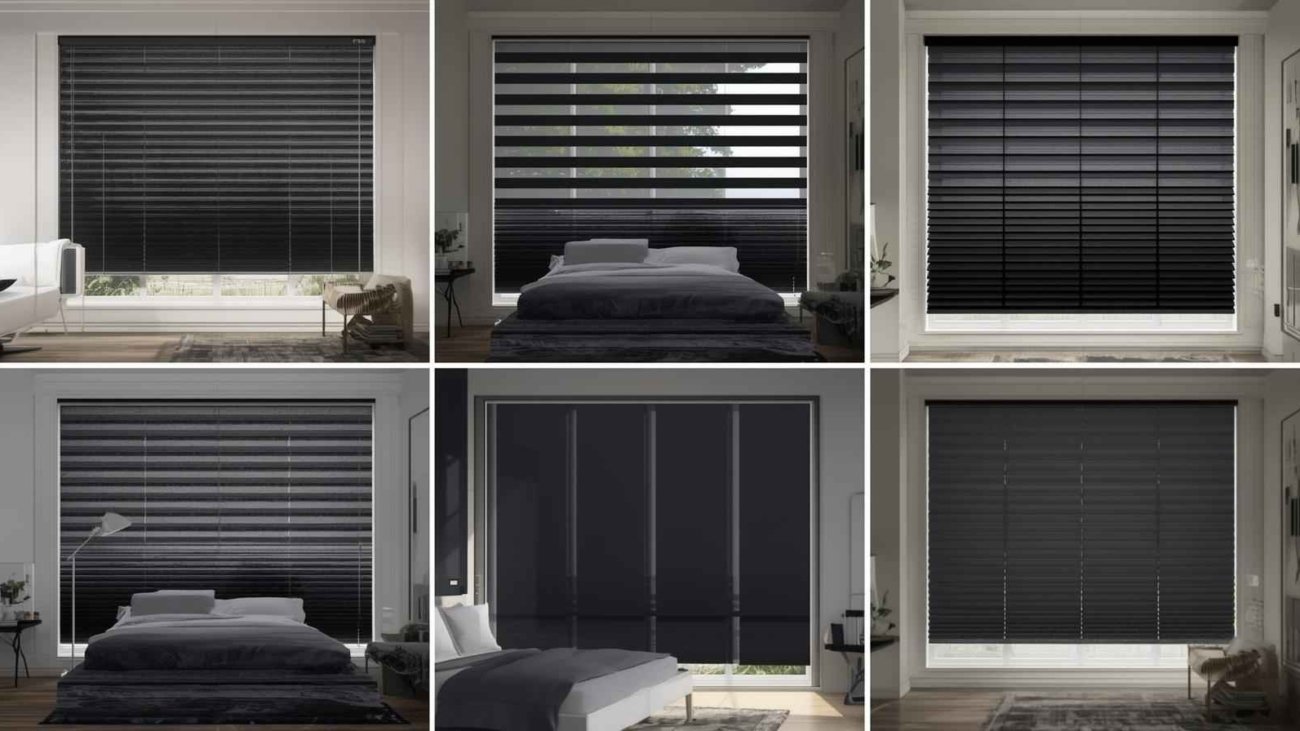
Best Blackout Blinds for Bedrooms in 2026

Best Blackout Blinds for Bedrooms in 2026

Best Blackout Blinds for Bedrooms in 2026

Have you ever woken up groggy because the morning sun hit your face way too early? Or maybe a streetlamp outside your window keeps you tossing and turning at night? Light pollution is a real sleep thief. While we often focus on comfortable mattresses or the perfect pillow, we forget that total darkness is just as critical for deep, restorative rest.

Blackout blinds are the unsung heroes of sleep hygiene. They do more than just block light; they offer privacy, reduce noise, and even help regulate your room’s temperature, saving you money on energy bills.

In this guide, we will explore the top blackout blinds for 2026 to help you transform your bedroom into a true sleep sanctuary. We’ll cover the best options on the market, what features actually matter, and how to choose the perfect set for your windows.

Why You Need Blackout Blinds in 2026

The concept of a dark room for sleeping isn’t new, but the technology behind window treatments has evolved significantly. Modern blackout blinds aren’t just stiff, plastic sheets anymore.

Enhanced Sleep Quality

Our bodies run on circadian rhythms, which are heavily influenced by light exposure. Even a small amount of ambient light can suppress melatonin production, the hormone that tells your body it’s time to sleep. Installing high-quality blackout blinds ensures your room stays pitch black, signaling to your brain that it is time to rest.

Energy Efficiency

Windows are major culprits for heat loss in winter and heat gain in summer. Thermal blackout blinds act as an insulating barrier. By trapping air between the fabric and the glass, they keep your bedroom cooler in the summer and warmer in the winter, potentially lowering your HVAC usage.

Top Blackout Blinds for 2026: Our Picks

We have analyzed the market to bring you the best options available this year. Whether you need a quick fix or a luxury upgrade, here are the standout performers.

1. The SleepEasy Thermal Roller Shade

Best Overall

This roller shade hits the sweet spot between functionality, aesthetics, and price. It features a multi-layer fabric design that blocks 100% of incoming light while providing excellent thermal insulation.

  • Features: Cordless lift mechanism, thermal backing, moisture-resistant fabric.
  • Pros: incredibly easy to install, sleek modern look, child-safe design.
  • Cons: Limited pattern options compared to custom drapes.
  • Price Range: $$ (Mid-range)

2. LuxDark Custom Cellular Shades

Best for Energy Efficiency

If your primary goal is temperature control along with darkness, cellular (honeycomb) shades are the way to go. The LuxDark model uses a double-cell construction to trap air effectively.

  • Features: Double-cell honeycomb design, side tracks to prevent light gaps, sound-absorbing material.
  • Pros: Superior insulation, significant noise reduction, available in motorization options.
  • Cons: Can be difficult to clean dust out of the cells; higher price point.
  • Price Range: $$$ (High-end)

3. QuickNap Portable Blackout Curtains

Best for Renters and Travel

Not everyone can drill holes in their walls. The QuickNap curtains use heavy-duty suction cups or velcro strips to attach directly to the window frame, making them perfect for apartments or travel.

  • Features: portable travel bag included, adjustable sizing via velcro, 100% blackout material.
  • Pros: No tools required, very affordable, take them anywhere.
  • Cons: Not as aesthetically pleasing as permanent fixtures; suction cups can sometimes lose grip.
  • Price Range: $ (Budget-friendly)

4. SmartShade Motorized Blackout Blinds

Best Tech Integration

For the smart home enthusiast, these blinds integrate seamlessly with Alexa, Google Home, and HomeKit. You can schedule them to open gently with your alarm clock.

  • Features: Voice control, app scheduling, solar charging panel options.
  • Pros: Ultimate convenience, wake up to natural light automatically, adds value to the home.
  • Cons: Expensive upfront cost; requires Wi-Fi setup.
  • Price Range: $$$$ (Premium)

Key Factors When Choosing Blackout Blinds

Picking the right blinds involves more than just grabbing the darkest color you see. Here is what you need to consider before clicking “buy.”

Material Quality and Opacity

Not all “blackout” fabrics are created equal. Some are merely “room darkening,” which means they block about 90-95% of light. True blackout blinds should block 100%. Look for blinds with a verified opacity rating or a specific liner sewn into the back. Thicker, tightly woven fabrics generally perform better.

Installation Type: Inside vs. Outside Mount

Inside Mount: The blind fits inside the window frame. This looks cleaner and more custom but often leaves small “light gaps” on the sides where the sun can sneak through.
Outside Mount: The blind is mounted on the wall above the window frame. This covers the entire opening and eliminates light gaps, making it the superior choice for total darkness, even if it looks slightly bulkier.

Operating Mechanism

Safety is a huge consideration, especially if you have pets or young children.

  • Cordless: Safest and cleanest look. You simply push or pull the bottom rail.
  • Motorized: The most convenient but most expensive.
  • Continuous Cord Loop: Good for very large or heavy blinds, but requires safety anchors.

Side Channels (The Secret Weapon)

If you are buying roller shades, look for options that include “side channels” or “light blockers.” These are U-shaped strips that stick to the sides of your window frame. The edges of the shade slide inside these channels, preventing that annoying halo of light from glowing around the edges of your blind.

Why Color Doesn’t Always Matter

A common myth is that you must buy black curtains to get a blackout effect. This is false. High-quality blackout blinds rely on a liner or the core material construction to block light. You can have stark white or soft beige blinds that block light just as effectively as charcoal ones, keeping your bedroom decor light and airy while still functioning perfectly at night.

Conclusion

Investing in high-quality blackout blinds is one of the most impactful upgrades you can make for your bedroom. Whether you choose the high-tech Shade or the renter-friendly QuickNap, prioritizing darkness will pay dividends in better sleep, improved mood, and lower energy bills.

Don’t let the streetlights dictate your sleep schedule any longer. Evaluate your windows, decide on your budget, and choose the blackout solution that fits your life.

Ready to reclaim your sleep? Start by measuring your windows today and exploring the options listed above to find your perfect match.