
Modern Window Treatments

Modern Window Treatments: A Complete Guide to Contemporary Styles

Window Treatments for Large Windows

Let’s be honest, picking window treatments can feel overwhelming. You want something that looks good, blocks out your nosy neighbor’s view, and doesn’t break the bank. The good news? Modern options have come a long way. If you’ve been asking yourself what window treatments actually make sense for real life, you’re about to find out. Today’s styles aren’t just prettier, they’re smarter, easier to use, and way more functional than the dusty blinds your parents had.

The difference between outdated window coverings and modern ones is huge. We’re talking about sleek designs that work with your phone, fabrics that actually keep your house cooler, and styles that don’t scream “I bought this at a big box store in 2005.” Let’s dig into what’s out there and how to figure out what works for your home.

Why Modern Window Treatments Are Actually Better

Here’s the thing about today’s window coverings, they’re designed around how we actually live. Nobody wants complicated cords dangling everywhere or blinds that get stuck halfway. Modern styles give you clean lines and easy operation. You’ll see roller shades that tuck away completely, honeycomb blinds that cut your energy bill, and sheer fabrics that let light in without turning your living room into a fishbowl. The materials are better too. You can get fabrics that won’t fade in the sun, natural textures like bamboo that add warmth, or moisture-resistant options for steamy bathrooms. Plus, most new designs skip the cords entirely, which is safer if you’ve got kids or pets running around. You can even get ones that rise from the bottom up, so you keep your privacy but still see the sky.

Feeling stuck on where to start? A window treatment consultant can walk you through what actually works for your space instead of just selling you whatever’s on sale. And if you’re hunting for the best window treatments, getting personalized advice beats guessing every time.

Styles That Actually Look Good in Real Homes

Walk into any design-forward home right now and you’ll probably see roller shades or solar screens. They’re stupid simple, just smooth fabric that rolls up and down. You can get them in blackout if you’re a serious sleeper, light-filtering for soft vibes, or sheer if you just want to tone down the glare. Solar shades are having a moment because they block heat and UV rays but don’t kill your view. That’s why they’re often called the best blinds for living room setups where you want comfort without feeling like you’re in a cave.

Then there are cellular shades, which look like little honeycomb pockets when you peek at them from the side. Those air pockets actually insulate your windows, keeping rooms warmer in winter and cooler in summer. They come in tons of colors and you can pick how much light gets through.

If you’re into texture, woven wood shades and bamboo blinds bring that organic, relaxed feel that makes modern spaces feel less cold. Linen curtains work too, they’re breezy and soft without looking too formal.

Got an outdoor space you actually want to use? Check out outdoor patio blinds that hold up to weather while giving you shade and privacy for backyard hangs.

Matching Treatments to Your Actual Life

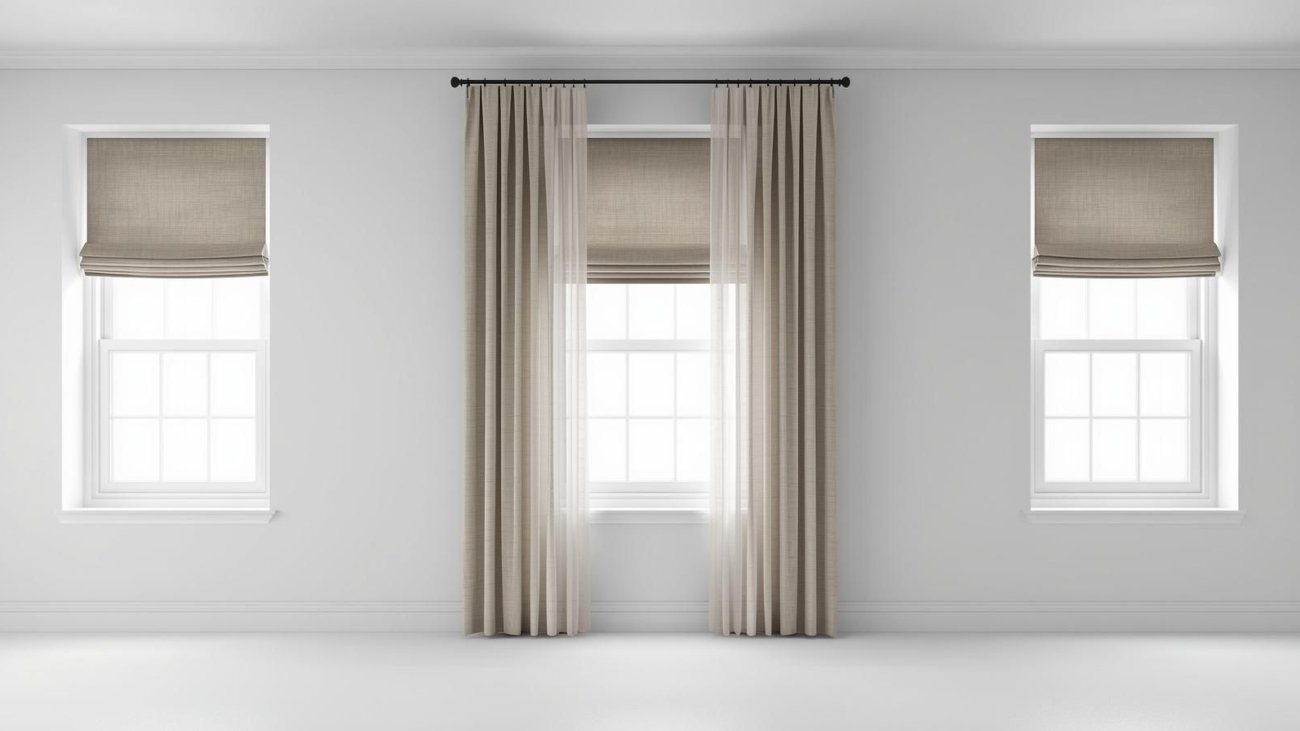
Your living room needs something different than your bedroom, right? In main living areas, a lot of people layer things, maybe sheer curtains with heavier drapes you can close at night, or blinds paired with soft panels on the sides. Bedrooms are where you want serious darkness, so blackout cellular shades or lined curtains are your friends. They’re honestly the best type of blinds for living room-style comfort when you need real sleep.

Kitchens and bathrooms get steamy and splashy, so go with faux wood or vinyl, they won’t warp or get gross. And if you work from home, you need something that cuts glare on your screen without making your office feel like a dungeon.

Here’s where it gets cool: motorized shades. Yeah, they sound fancy, but they’re becoming normal. You can set them to open when you wake up, close them from your couch, or sync them with your smart home. Battery-powered ones don’t even need an electrician.

Want something that fits like it was made for your windows? Because it was. Custom blinds or custom blinds Westchester County New York give you exact measurements and way better quality than the generic stuff.

Getting Them Installed Right

Some treatments you can definitely DIY, basic roller shades aren’t rocket science. But others, especially motorized systems or anything custom, really benefit from professional window treatment installation service. When it’s done right, everything operates smoothly, seals properly, and looks polished instead of wonky.

Ready to upgrade your whole vibe? Combine the best window treatment styles with healthy window blinds that improve your home’s air quality, and get the right window treatments & hardware to make everything work seamlessly. Your space will thank you.

Frequently Asked Questions

What are the most popular modern window treatments?

Right now, people love roller shades, cellular blinds, and natural woven materials because they look clean and actually do their job without a lot of fuss.

How do I choose between blinds and shades?

Blinds have slats you can tilt for light control, while shades are one smooth piece that’s better for insulation. Both look great, it just depends on what matters more to you.

Are custom window treatments worth the investment?

Yeah, they really are. They fit perfectly, use way better materials, and last forever compared to the cheap ready-made ones that you’ll replace in a few years anyway.

Can window treatments really reduce energy costs?

Totally. Good cellular shades or solar screens can cut your cooling costs by almost half by blocking heat, which means your AC isn’t working overtime all summer.

What’s the best low-maintenance option?

Roller shades and faux wood blinds are pretty much set-and-forget. They don’t collect much dust, handle moisture fine, and you can just wipe them down when needed.
French Return Curtain Rods

French Return Curtain Rods: Installation Tips and Design Benefits

French Return Curtain Rods

Here’s a secret that interior designers don’t always share: the way your curtain rod ends can completely change how expensive your windows look. French return rods, those clever hardware pieces that angle back toward the wall, might seem like a small detail, but they make curtains hang better, look more custom, and actually keep more light out. If you’ve ever wondered why some windows just look more polished than others, this is often the answer. They’re not complicated to install, and the difference they make is immediate.

Most people hang curtains on standard rods and call it done. But French returns solve real problems. They stop light from sneaking in at the edges, keep curtains from sliding into the corners, and create that tailored look you see in magazines. Once you know what they do, you’ll start noticing them everywhere, and probably want them in your own place.

What Makes French Return Rods Worth It

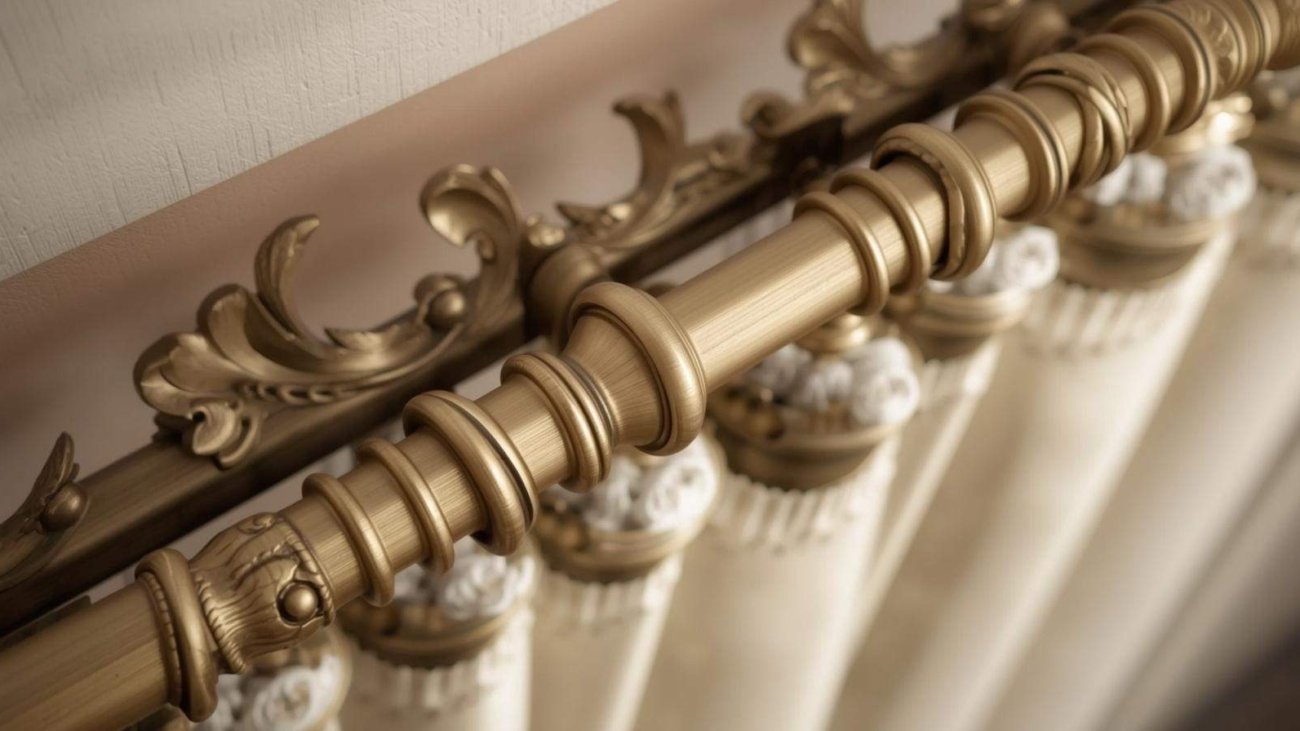
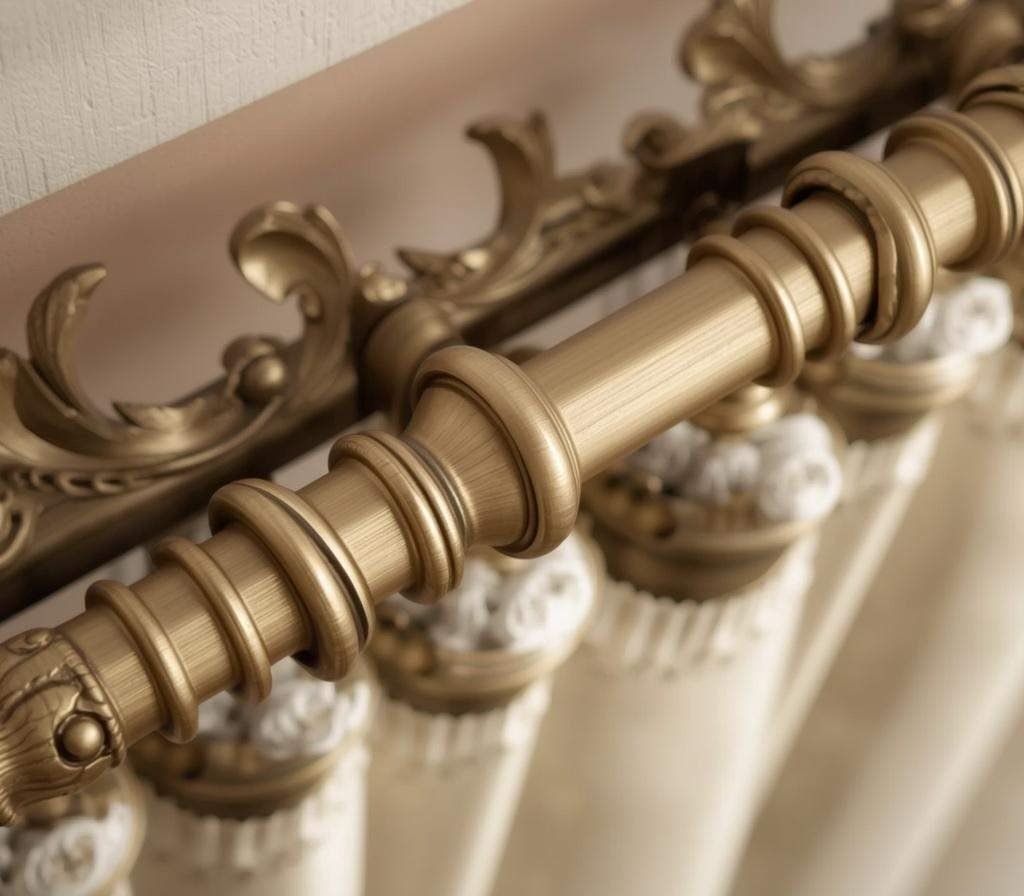
The basic idea is simple: instead of your curtain rod ending with a finial sticking straight out, a French return curves the rod back to meet the wall at a 90-degree angle. This creates a pocket where your curtain sits flush against the wall on both sides. The benefits are actually pretty practical. First, you get better light control because there’s no gap where morning sun sneaks through. Second, your curtains hang straighter and look neater because they can’t bunch up in the corners. Third, it makes any window treatment look more intentional and finished, even if you’re using affordable panels. The return itself is usually about four to six inches deep, which is enough to make a difference without eating up wall space. You can use them with any curtain style, pinch pleat, grommet, rod pocket, whatever you’ve got. They work especially well in bedrooms where you want total darkness, or in formal spaces where you’re going for that designer vibe.

Thinking about upgrading your space? Talk to a window treatment consultant who can show you how French returns work with the best window treatments for your specific rooms and style.

Installing French Return Rods the Right Way

Here’s the good news: if you can install a regular curtain rod, you can handle this. The process is nearly identical, just with a couple extra mounting points. You’ll mount your main brackets where the rod goes across the window, plus one bracket on each side wall where the return meets. Most French return rods come as a kit with everything included, the main rod, the return pieces, and all the brackets you need. Measure your window width and add about eight to twelve inches total (four to six on each side) for the returns. That’s your rod length.

Step-by-Step Basics

Start by marking where your main brackets go, typically four to six inches above the window frame and extending past each side. Install those first, making sure they’re level. Then attach the return brackets on the side walls, positioned so the return piece angles back naturally. The return sections usually connect to the main rod with a corner piece or elbow joint. Thread your curtains onto the rod before you connect everything, trust me, it’s way easier. Once assembled, the whole thing mounts just like a standard rod setup.

Common Mistakes to Avoid

  • Skipping wall anchors – These rods carry more weight because of the angle, so don’t rely on drywall alone if you’re not hitting studs
  • Short returns – Make sure your return pieces are long enough to actually reach and touch the wall, or you lose all the light-blocking benefits
  • Uneven installation – Double-check that everything’s level before drilling final holes because crooked returns are super noticeable once curtains hang
  • Threading curtains last – Always put your curtain panels on the rod before final assembly to save yourself major frustration

Need help getting it perfect? A professional window treatment installation service ensures your rods are level, secure, and properly positioned, especially helpful for tricky windows or heavy fabrics.

Design Flexibility and Room-by-Room Ideas

French returns aren’t just for fancy formal rooms. They work great in bedrooms paired with blackout curtains because they eliminate light gaps completely. In living rooms, they make your main windows look bigger and more architectural. Even in smaller spaces, they add a custom touch without requiring custom measurements. You can use them with layered treatments too, sheers behind heavier drapes both hang on the same return rod system. They pair beautifully with patterned curtains because the clean lines let the fabric be the star.

Here’s where they shine in different spaces:

  • Bedrooms – Total darkness for better sleep when paired with blackout panels
  • Living rooms – Creates an upscale, architectural focal point on main windows
  • Home offices – Reduces glare while maintaining a professional appearance
  • Dining rooms – Adds formal elegance without overwhelming the space

For modern spaces, go with simple metal returns in black or brushed nickel. Traditional rooms look amazing with decorative wood returns that match your furniture.

Looking for cohesive style throughout your home? Explore window treatments & hardware that complement French returns, or consider custom blinds Westchester County New York for a completely coordinated look.

Why This Detail Actually Matters

Walk into any professionally designed room and you’ll see thoughtful details like French returns. They signal that someone cared about how the space came together. But beyond looking good, they genuinely function better, keeping light out, making curtains hang properly, and protecting your fabric edges from rubbing against walls. It’s one of those upgrades that feels expensive but doesn’t have to be. Whether you’re doing one statement window or outfitting your whole house, French returns turn basic window dressing into something that actually catches your eye in the best way.

Ready to elevate every window? Combine French return rods with the best window treatment options, healthy window blinds for improved air quality, and expert advice on the best type of blinds for living room spaces. Your home deserves that finishing touch.

Frequently Asked Questions

What exactly is a French return on a curtain rod?

It’s a rod that angles back toward the wall at each end instead of stopping with a finial, creating a cleaner look and better light control.

Can I use French returns with any type of curtains?

Yes, they work with all curtain styles including grommets, rod pockets, pinch pleats, and rings. The hanging method doesn’t matter.

Are French return rods harder to install than regular rods?

Not really. You just need a couple extra brackets for the return pieces, but the installation process is basically the same as standard rods.

Do French returns actually block more light?

Absolutely. By bringing the curtain flush against the wall on both sides, they eliminate the gaps where light typically sneaks through at the edges.

Where should I use French return curtain rods?

They’re perfect for bedrooms where you want darkness, formal living spaces, or anywhere you want a polished, custom look without custom pricing.

French Door Window Treatments

French Door Window Treatments: Best Options for Privacy and Style

French doors are gorgeous until you realize everyone walking by can see straight into your house. Whether your doors open to a patio, connect rooms, or lead to a backyard, finding the right covering that doesn’t kill their elegance is tricky. You need privacy without blocking light, style without making the doors feel heavy, and something that actually works when you’re opening and closing them twenty times a day. The good news? There are solutions that check all these boxes, and they’re way easier to deal with than you’d think.

The challenge with French doors is that traditional curtains can be a pain. They get caught in the doors, block your path, and rarely give you the control you want. But the right treatments, think cellular shades mounted inside the glass, magnetic panels, or sleek vertical solutions, solve these problems while keeping your doors looking sharp. Let’s break down what actually works.

Top Treatment Options That Don’t Get in Your Way

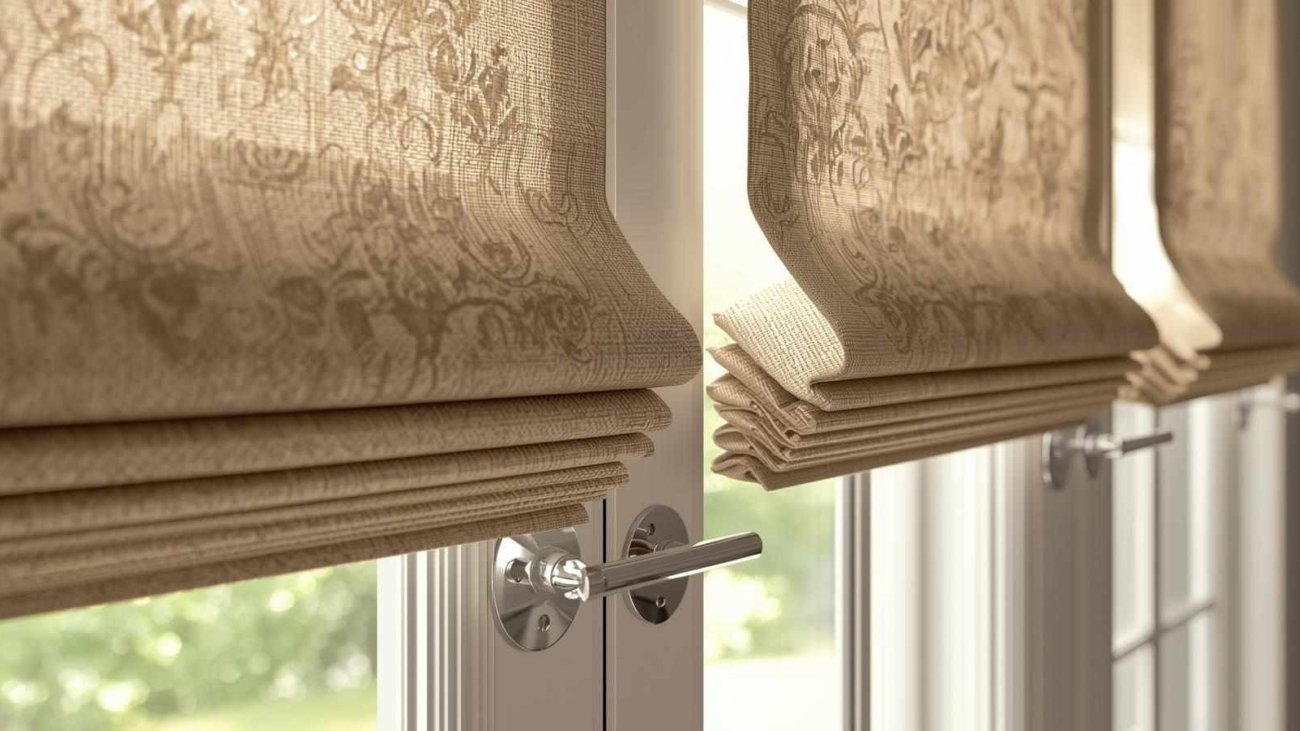
The best coverings for French doors are ones you barely notice until you need them. Cellular shades that mount directly on the door glass are brilliant because they move with the door. No wrestling with fabric when you want to go outside. They come in light-filtering or blackout options, give you tons of privacy, and fold up tight when you want the view. Another solid choice is magnetic blinds or shades designed specifically for steel or metal doors. They attach without drilling and stay put when doors swing open. For a softer look, consider panel track systems that slide on a rail above the doors. You can stack the panels to one side when you want full access, then slide them closed for privacy. They work especially well for wider door openings or sliders. If you like the idea of curtains but hate the bulk, try sidelight panels on tension rods that mount inside each door frame. They stay contained, look neat, and give you the fabric softness without the hassle.

Struggling to pick the right solution? A window treatment consultant can assess your specific doors and recommend the best window treatments that balance your privacy needs with how you actually use the space.

Privacy Solutions for Different Door Styles

Inswing vs. Outswing Doors

If your doors swing into your house, you’ve got more mounting options because the interior side has more clearance. Inside-mount shades work great here. They’re clean, contained, and out of the way. For doors that swing outward, you’ll want treatments that either mount directly on the glass or hang from the wall above the entire door frame. Top-down bottom-up shades are clutch for any style because you can lower them from the top for privacy while keeping the bottom open for light and views.

Single vs. Double Door Configurations

Single French doors are straightforward. Treat them like an oversized window. Double doors need coordination so both sides match and operate smoothly. Individual shades on each door work better than one giant panel because you can control them separately. Make sure whatever you pick doesn’t interfere with the center latch or handles.

Looking for solutions that fit perfectly? Explore custom blinds or custom blinds Westchester County New York designed to match your exact door measurements and hardware placement.

Balancing Light Control and Accessibility

Here’s what matters most: you need to open your doors without moving your window treatment every single time. That’s why inside-mount options or those that attach directly to the glass are game-changers. They travel with the door, so there’s nothing to push aside or adjust. Light control depends on your situation. If your French doors face a busy street or a neighbor’s house, go with something that blocks the view completely but still filters light. Top picks include honeycomb shades or frosted roller blinds. For doors leading to private backyards or patios, sheer panels or light-filtering fabrics give you soft privacy without feeling closed off.

Some practical considerations to keep in mind:

  • Door handles and locks – Make sure your treatment clears all hardware when doors open and close
  • Floor clearance – Nothing should drag on the floor or get caught under the door sweep
  • Cleaning access – Pick materials that wipe clean easily since doors get touched constantly
  • Operation – Cordless or magnetic options work best for safety and convenience

Need help with tricky installations? Professional window treatment installation service ensures your coverings operate smoothly, stay secure, and don’t interfere with door function.

Style Options That Actually Look Good

French doors are a feature, not something to hide. Your treatments should enhance them, not compete. For modern spaces, go minimal. Slim cellular shades in white or gray, or sleek vertical panels in solid neutrals. Traditional homes look great with soft fabric panels in linen or cotton, maybe with a subtle pattern. If your doors have grids or divided glass, inside-mount shades that sit behind the grid pattern keep everything looking intentional. Avoid anything too fussy or heavy that makes the doors feel claustrophobic. The goal is privacy on demand without losing the airy, open feeling that makes French doors so appealing in the first place.

Ready to transform your French doors? Combine smart design with the best window treatment options, quality window treatments & hardware, and expert guidance on what are window treatments that work specifically for door applications. Your space will feel both private and inviting.

Frequently Asked Questions

What’s the best treatment for French doors you use constantly?

Inside-mount cellular shades or ones that attach directly to the glass are ideal because they move with the door and never block your path.

Can you put regular curtains on French doors?

You can, but they’re often inconvenient. If you go this route, mount the rod high and wide so you can push fabric completely clear of the doors.

Do French door treatments need to match nearby windows?

Not necessarily, but keeping a similar style or color palette creates a more cohesive look throughout the room without everything being identical.

How do you cover French doors with built-in blinds?

If your doors already have blinds between the glass panes, you might add sheer curtains or panels on the sides purely for decorative softness.

What about French doors leading to outdoor patios?

Consider outdoor patio blinds on the exterior side for sun control, paired with interior treatments for privacy. This combo handles both weather and visibility.