

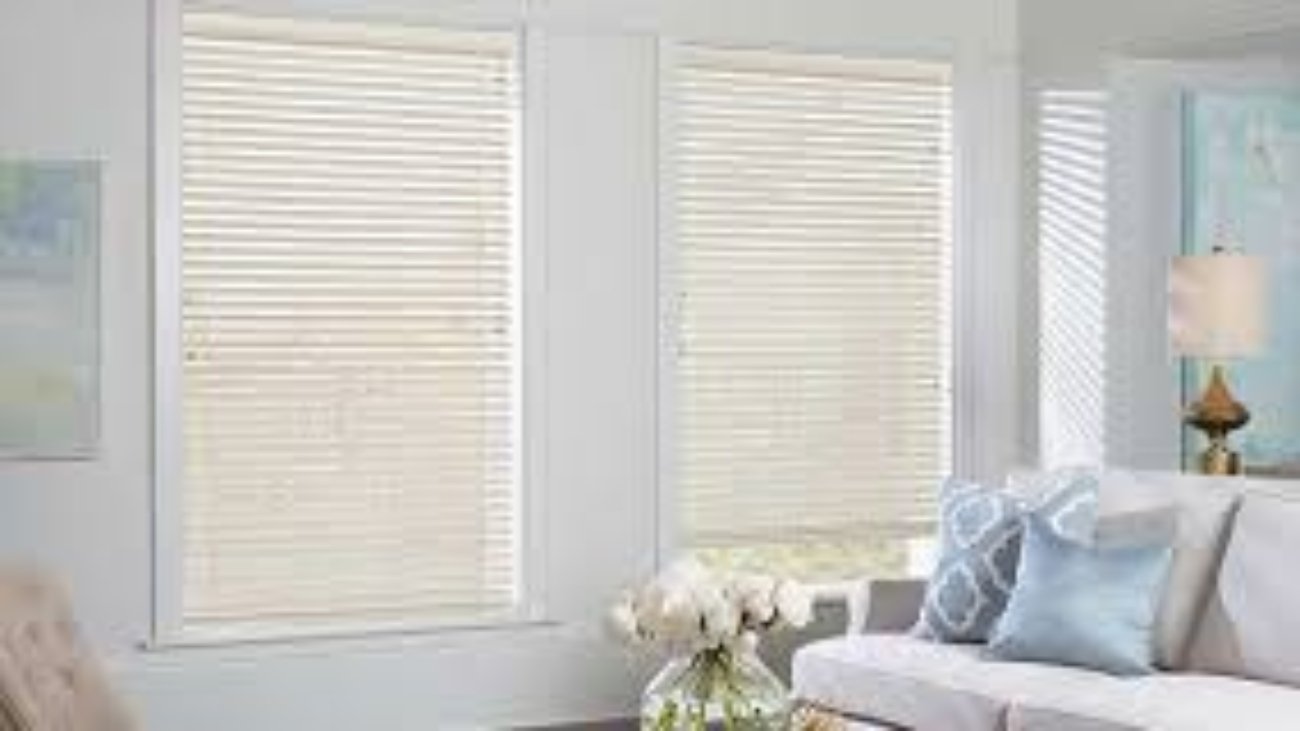
Choosing the right window treatments feels a bit like picking a paint color. You think it’s a simple decision until you’re staring at fifty shades of white and wondering if Cordless Cellular Shades is a window covering or a sci-fi gadget.
You aren’t alone. With endless options for materials, lifting mechanisms, and opacity levels, buying blinds can quickly become overwhelming. But the right choice does more than just look good. It lowers your energy bills, protects your furniture from UV rays, and gives you privacy when you need it most.
From measuring for the perfect fit to understanding which materials withstand humidity, we cover the essentials to ensure your windows look their best.
Understanding the Different Types of Blinds
The first step is narrowing down your style. While “blinds” is often used as a catch-all term for window coverings, true blinds have slats that tilt to control light. Here are the most popular styles.
Faux Wood Blinds
If you love the classic look of real wood but hate the price tag and maintenance, faux wood blinds are your best bet. Made from durable PVC or composite materials, these slats resist warping and fading. They are perfect for high-humidity areas like bathrooms and kitchens where real wood might crack or swell. Plus, they are incredibly easy to clean—just a quick wipe with a damp cloth does the trick.
Vertical Blinds
Vertical blinds have evolved far beyond the clunky plastic strips of the 1990s. Today, they come in sleek fabrics and textured vinyl. They remain the gold standard for sliding glass doors and large patio windows because they traverse horizontally, matching the movement of the door. They offer excellent light control for wide expanses of glass that horizontal blinds struggle to cover.
Motorized Blinds
For hard-to-reach windows or smart home enthusiasts, motorized blinds offer the ultimate convenience. You can raise, lower, or tilt your blinds with a remote, a smartphone app, or even voice commands. While they come at a premium price, the safety benefits (no dangling cords) and energy efficiency (scheduling them to close during the hottest part of the day) often justify the investment.
Aluminum and Mini Blinds
These are the budget-friendly workhorses of the window world. Aluminum blinds are lightweight, durable, and available in nearly every color imaginable. They typically feature thinner slats (1-inch or ½-inch), making them a subtle choice for offices or commercial spaces.
Materials Matter: Durability and Aesthetics
The material you choose dictates how long your blinds last and where they should be installed.
- Real Wood: Offers unmatched elegance and lightweight strength. Best for living rooms and bedrooms where humidity is low.
- Composite/Faux Wood: Heavier than wood but virtually indestructible. Ideal for humid climates or messy playrooms.
- Aluminum: Rust-resistant and cost-effective. Great for garages or utility rooms.
- Fabric (for vertical blinds): Adds softness and texture to a room. Some fabrics offer thermal backing for better insulation.
Sizing and Measuring for the Perfect Fit
Nothing ruins a DIY project faster than blinds that are half an inch too wide. Before ordering, you must decide between an inside mount and an outside mount.
Inside Mount
This installation sits inside the window frame for a clean, custom look. It requires precise measurements.
- Pros: Minimalist appearance; allows you to layer curtains over the top.
- Cons: Requires a certain window depth; light gaps may occur on the sides.
Outside Mount
The blinds are mounted on the wall above the window frame or on the trim itself.
- Pros: Makes windows appear larger; blocks more light; hides ugly window trim.
- Cons: Can hide decorative molding you might want to show off.
Pro Tip for DIY Installation: Measure three times: top, middle, and bottom. Windows are rarely perfectly square. For inside mounts, use the narrowest width; for outside mounts, add 2-3 inches to the width for better coverage.
Light Control and Privacy Levels
How much light do you want to let in?
- Light Filtering: Slats or fabrics that soften sunlight but don’t block it. You get privacy without darkness. Ideal for living rooms.
- Room Darkening: These block significant light but aren’t pitch black. Slatted blinds naturally leak some light between the slats.
- Blackout: While typically reserved for shades, some blinds with tight closure systems offer near-blackout conditions. These are essential for nurseries and shift workers.
Energy Efficiency: Saving Money on Utilities
Windows are major energy leaks. In winter, heat escapes; in summer, solar heat gain turns your living room into a sauna.
The right blinds act as insulation. Faux wood blinds and real wood blinds have natural insulating properties that are superior to aluminum. However, for maximum efficiency, consider how you use them. Closing your blinds during peak sun hours in the summer can reduce heat gain by up to 45%.
Regional Considerations
- The Southwest (Arizona, Nevada): Focus on heat reflection. White or light-colored blinds reflect sunlight away from the house.
- The Northeast & Midwest: Focus on insulation. Thicker wood or faux wood slats help trap heat indoors during freezing winters.
- The Southeast (Florida, Louisiana): Humidity resistance is key. Stick to faux wood or composite materials that won’t warp in the damp air.
Pricing: What to Expect
Budgeting for window treatments is tricky because prices vary wildly based on size and mechanism.
- Budget Tier: Stock aluminum or vinyl mini blinds from big-box stores. Good for rentals or temporary fixes.
- Mid-Range Tier: Custom-cut faux wood blinds and quality vertical blinds. This is the sweet spot for most homeowners, offering durability and style.
- Premium Tier: Motorized blinds, genuine hardwood, and brand-name custom treatments. You are paying for premium materials, warranties, and automation.
Frequently Asked Questions
Which blinds are best for small windows?
Avoid wide slats (like 2.5-inch shutter styles) on small windows, as they can look clunky and block too much view when open. Stick to 1-inch mini blinds or slim pleated shades. These maintain proportion and make the window feel larger.
Is DIY installation difficult?
Not usually. Most blinds come with simple bracket systems. You typically only need a drill, a screwdriver, a measuring tape, and a level. If you are comfortable hanging a picture frame, you can likely handle DIY installation for blinds. However, for large or motorized blinds, having a helper makes the job much safer.
Can I mix different types of blinds in one room?
It is generally best to keep the hard treatments (the blinds themselves) consistent within a single open space. Mixing faux wood on one window and vertical blinds on a sliding door is acceptable if the colors and textures match.
Conclusion
Buying window blinds is an investment in your home’s comfort and value. By focusing on the specific needs of each room—humidity resistance for the bath, light control for the bedroom, and style for the living area—you can find the perfect solution.
Take your time measuring. Order free samples to see how the material looks in your lighting. Once you install that first set of blinds, you’ll wonder why you waited so long to upgrade your view.