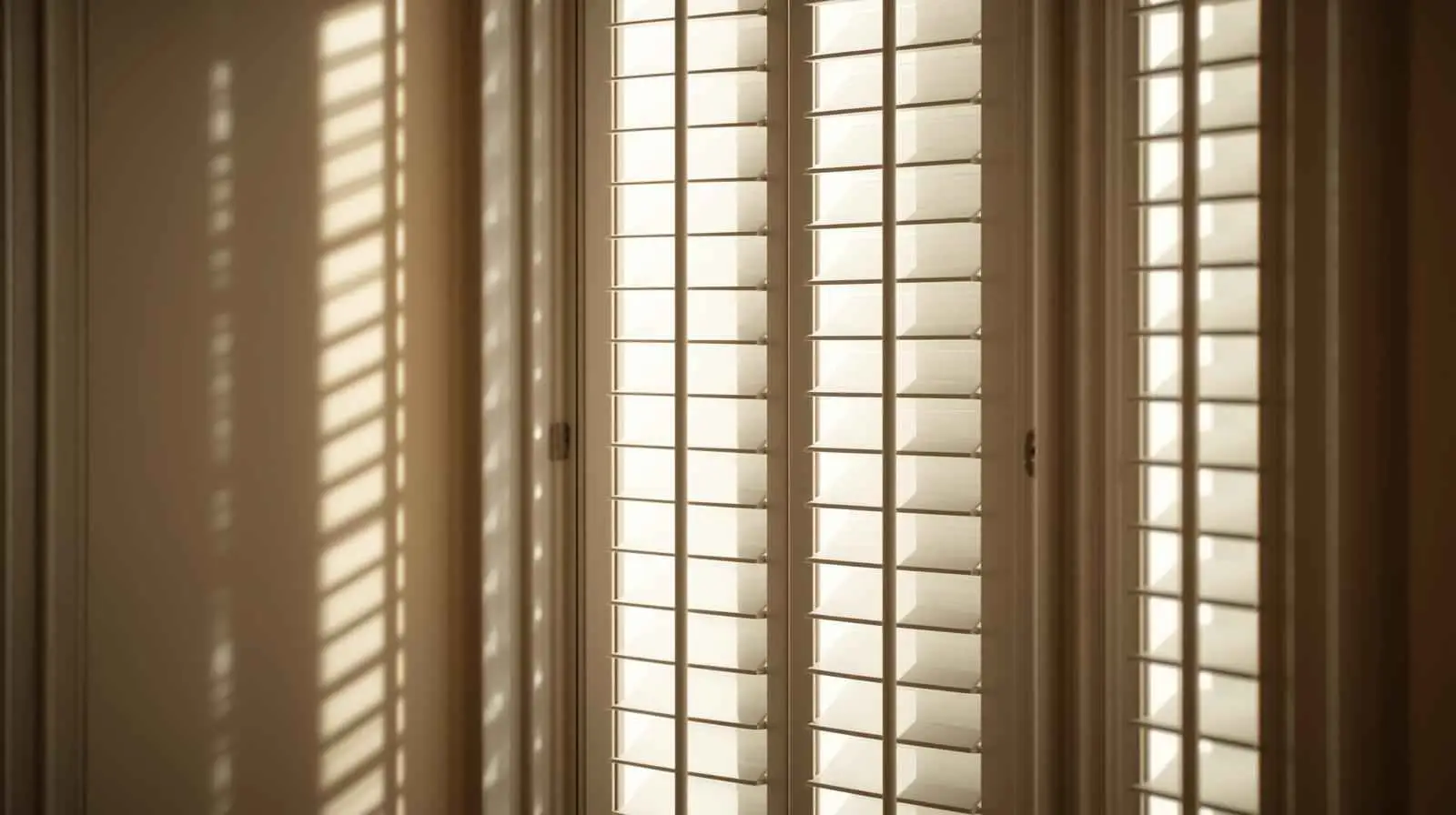
Window Blinds Buying Guide

Window Blinds Buying Guide: What to Look For Before You Order

Choosing the right window treatments feels a bit like picking a paint color. You think it’s a simple decision until you’re staring at fifty shades of white and wondering if Cordless Cellular Shades is a window covering or a sci-fi gadget.

You aren’t alone. With endless options for materials, lifting mechanisms, and opacity levels, buying blinds can quickly become overwhelming. But the right choice does more than just look good. It lowers your energy bills, protects your furniture from UV rays, and gives you privacy when you need it most.

From measuring for the perfect fit to understanding which materials withstand humidity, we cover the essentials to ensure your windows look their best.

Understanding the Different Types of Blinds

The first step is narrowing down your style. While “blinds” is often used as a catch-all term for window coverings, true blinds have slats that tilt to control light. Here are the most popular styles.

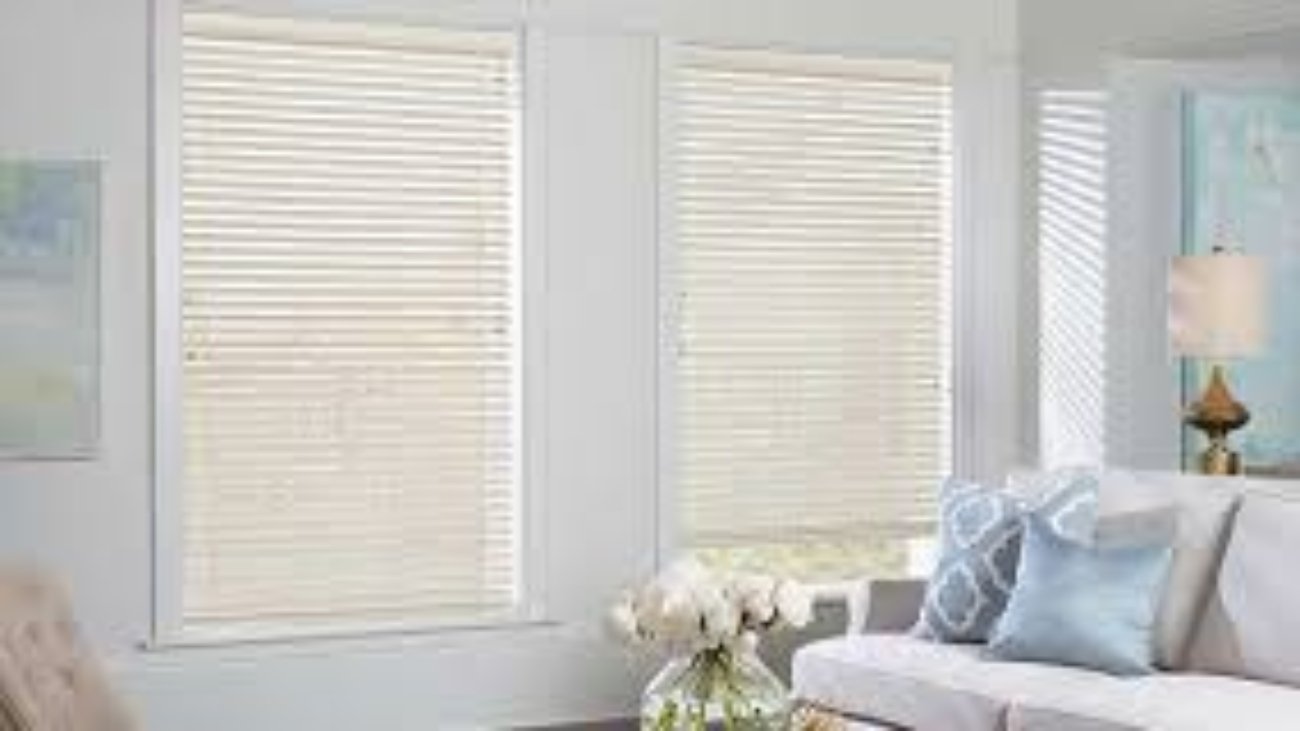
Faux Wood Blinds

If you love the classic look of real wood but hate the price tag and maintenance, faux wood blinds are your best bet. Made from durable PVC or composite materials, these slats resist warping and fading. They are perfect for high-humidity areas like bathrooms and kitchens where real wood might crack or swell. Plus, they are incredibly easy to clean—just a quick wipe with a damp cloth does the trick.

Vertical Blinds

Vertical blinds have evolved far beyond the clunky plastic strips of the 1990s. Today, they come in sleek fabrics and textured vinyl. They remain the gold standard for sliding glass doors and large patio windows because they traverse horizontally, matching the movement of the door. They offer excellent light control for wide expanses of glass that horizontal blinds struggle to cover.

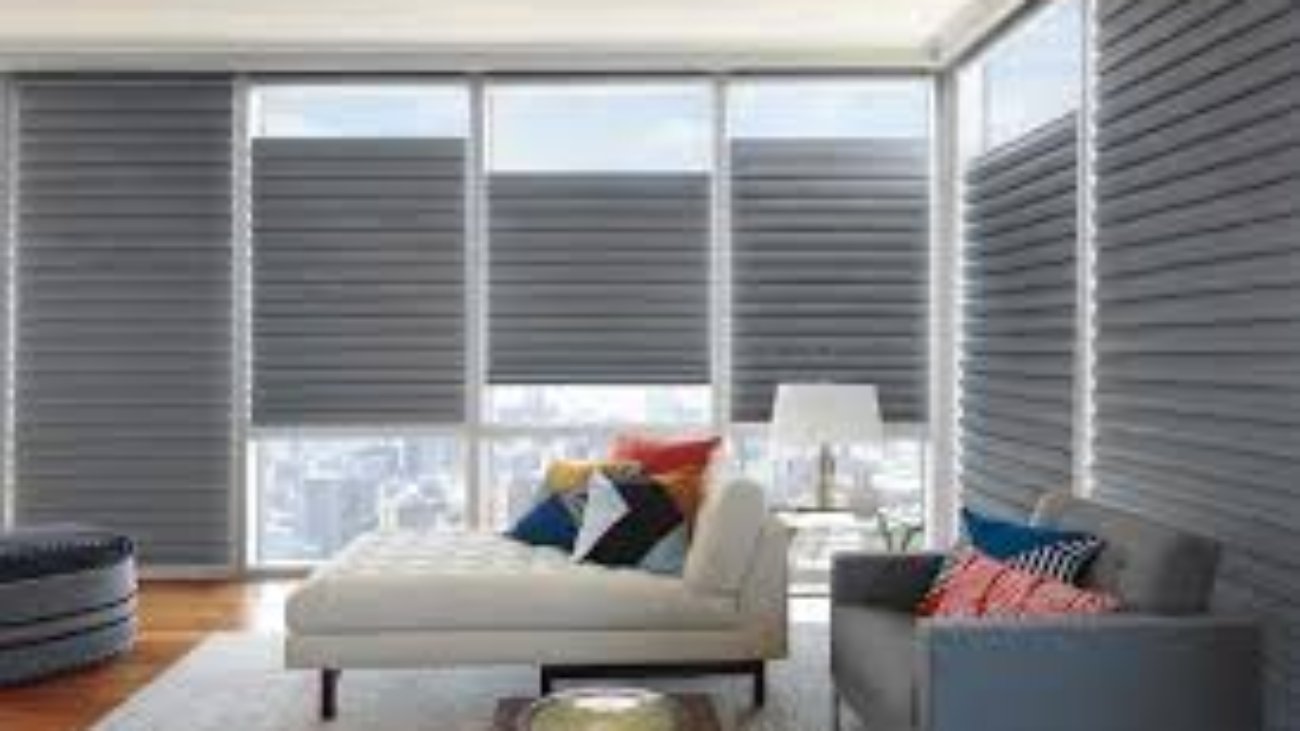
Motorized Blinds

For hard-to-reach windows or smart home enthusiasts, motorized blinds offer the ultimate convenience. You can raise, lower, or tilt your blinds with a remote, a smartphone app, or even voice commands. While they come at a premium price, the safety benefits (no dangling cords) and energy efficiency (scheduling them to close during the hottest part of the day) often justify the investment.

Aluminum and Mini Blinds

These are the budget-friendly workhorses of the window world. Aluminum blinds are lightweight, durable, and available in nearly every color imaginable. They typically feature thinner slats (1-inch or ½-inch), making them a subtle choice for offices or commercial spaces.

Materials Matter: Durability and Aesthetics

The material you choose dictates how long your blinds last and where they should be installed.

  • Real Wood: Offers unmatched elegance and lightweight strength. Best for living rooms and bedrooms where humidity is low.
  • Composite/Faux Wood: Heavier than wood but virtually indestructible. Ideal for humid climates or messy playrooms.
  • Aluminum: Rust-resistant and cost-effective. Great for garages or utility rooms.
  • Fabric (for vertical blinds): Adds softness and texture to a room. Some fabrics offer thermal backing for better insulation.

Sizing and Measuring for the Perfect Fit

Nothing ruins a DIY project faster than blinds that are half an inch too wide. Before ordering, you must decide between an inside mount and an outside mount.

Inside Mount

This installation sits inside the window frame for a clean, custom look. It requires precise measurements.

  • Pros: Minimalist appearance; allows you to layer curtains over the top.
  • Cons: Requires a certain window depth; light gaps may occur on the sides.

Outside Mount

The blinds are mounted on the wall above the window frame or on the trim itself.

  • Pros: Makes windows appear larger; blocks more light; hides ugly window trim.
  • Cons: Can hide decorative molding you might want to show off.

Pro Tip for DIY Installation: Measure three times: top, middle, and bottom. Windows are rarely perfectly square. For inside mounts, use the narrowest width; for outside mounts, add 2-3 inches to the width for better coverage.

Light Control and Privacy Levels

How much light do you want to let in?

  • Light Filtering: Slats or fabrics that soften sunlight but don’t block it. You get privacy without darkness. Ideal for living rooms.
  • Room Darkening: These block significant light but aren’t pitch black. Slatted blinds naturally leak some light between the slats.
  • Blackout: While typically reserved for shades, some blinds with tight closure systems offer near-blackout conditions. These are essential for nurseries and shift workers.

Energy Efficiency: Saving Money on Utilities

Windows are major energy leaks. In winter, heat escapes; in summer, solar heat gain turns your living room into a sauna.

The right blinds act as insulation. Faux wood blinds and real wood blinds have natural insulating properties that are superior to aluminum. However, for maximum efficiency, consider how you use them. Closing your blinds during peak sun hours in the summer can reduce heat gain by up to 45%.

Regional Considerations

  • The Southwest (Arizona, Nevada): Focus on heat reflection. White or light-colored blinds reflect sunlight away from the house.
  • The Northeast & Midwest: Focus on insulation. Thicker wood or faux wood slats help trap heat indoors during freezing winters.
  • The Southeast (Florida, Louisiana): Humidity resistance is key. Stick to faux wood or composite materials that won’t warp in the damp air.

Pricing: What to Expect

Budgeting for window treatments is tricky because prices vary wildly based on size and mechanism.

  • Budget Tier: Stock aluminum or vinyl mini blinds from big-box stores. Good for rentals or temporary fixes.
  • Mid-Range Tier: Custom-cut faux wood blinds and quality vertical blinds. This is the sweet spot for most homeowners, offering durability and style.
  • Premium Tier: Motorized blinds, genuine hardwood, and brand-name custom treatments. You are paying for premium materials, warranties, and automation.

Frequently Asked Questions

Which blinds are best for small windows?

Avoid wide slats (like 2.5-inch shutter styles) on small windows, as they can look clunky and block too much view when open. Stick to 1-inch mini blinds or slim pleated shades. These maintain proportion and make the window feel larger.

Is DIY installation difficult?

Not usually. Most blinds come with simple bracket systems. You typically only need a drill, a screwdriver, a measuring tape, and a level. If you are comfortable hanging a picture frame, you can likely handle DIY installation for blinds. However, for large or motorized blinds, having a helper makes the job much safer.

Can I mix different types of blinds in one room?

It is generally best to keep the hard treatments (the blinds themselves) consistent within a single open space. Mixing faux wood on one window and vertical blinds on a sliding door is acceptable if the colors and textures match.

Conclusion

Buying window blinds is an investment in your home’s comfort and value. By focusing on the specific needs of each room—humidity resistance for the bath, light control for the bedroom, and style for the living area—you can find the perfect solution.

Take your time measuring. Order free samples to see how the material looks in your lighting. Once you install that first set of blinds, you’ll wonder why you waited so long to upgrade your view.

How to Choose the Best Window Treatments

How to Choose the Best Window Treatments for Every Room in Your Home

Finding the right window treatments can feel overwhelming. With so many styles, materials, and features to consider, it’s hard to know where to start. The perfect choice does more than just cover a window; it enhances a room’s decor, controls light, provides privacy, and can even improve energy efficiency.

This guide will walk you through choosing the best window treatments for every room in your home. We’ll explore options that balance style and function, helping you make a confident decision. You will learn how to select the ideal treatments for your bedroom, living room, kitchen, and bathroom with practical tips and clear advice.

Finding the Perfect Fit: Window Treatments by Room

Each room has unique needs when it comes to light, privacy, and durability. Let’s break down the best options room by room.

Bedroom: Your Sanctuary for Rest and Relaxation

The primary goal for bedroom window treatments is creating an environment that promotes sleep. This means excellent light control and complete privacy are non-negotiable.

What window treatments work best for bedrooms?

Blackout curtains are a top choice for a reason. These drapes are made from or lined with a dense fabric that blocks nearly all outside light, making them ideal for light sleepers, shift workers, or anyone who enjoys a weekend lie-in. They also provide a significant thermal barrier, helping to keep your room cooler in the summer and warmer in the winter.

Another fantastic option is blackout cellular shades. Their honeycomb design traps air, offering superior insulation and sound absorption. They fit snugly within the window frame, minimizing light gaps along the sides. For ultimate control, consider a top-down/bottom-up model that lets you lower the shade from the top to let in natural light while maintaining privacy.

Practical Tips for Bedrooms:

  • Layering: Combine blackout shades with sheer curtains. This gives you the flexibility to enjoy soft, filtered light during the day and complete darkness at night.
  • Color Matters: Darker colored curtains or shades naturally block more light than lighter ones, even within the blackout category.
  • Go Wide: When installing curtains, extend the curtain rod several inches beyond the window frame on each side. This allows the curtains to be pulled completely clear of the window for maximum daylight and prevents light from seeping in around the edges when closed.

Living Room: The Heart of Your Home’s Style

The living room is where you entertain guests, relax with family, and express your personal style. Window treatments here should be both beautiful and functional, complementing your decor while managing light and privacy.

How to choose treatments that match living room decor?

Start by considering your existing style. Is your living room modern, traditional, or bohemian? For a classic, elegant look, drapery is a timeless choice. Silk, linen, and velvet curtains add a touch of luxury and can be customized with pleats and patterns to match your furniture.

For a more contemporary and clean aesthetic, blinds or shades are excellent. Roman shades offer the softness of fabric with a structured, clean fold. Wood or faux wood blinds bring warmth and a natural element to the room, pairing well with various decor styles.

Sheer blinds or curtains are perfect for living rooms where privacy is less of a concern. They beautifully filter sunlight, reducing glare and creating a bright, airy atmosphere without completely obstructing your view.

Practical Tips for Living Rooms:

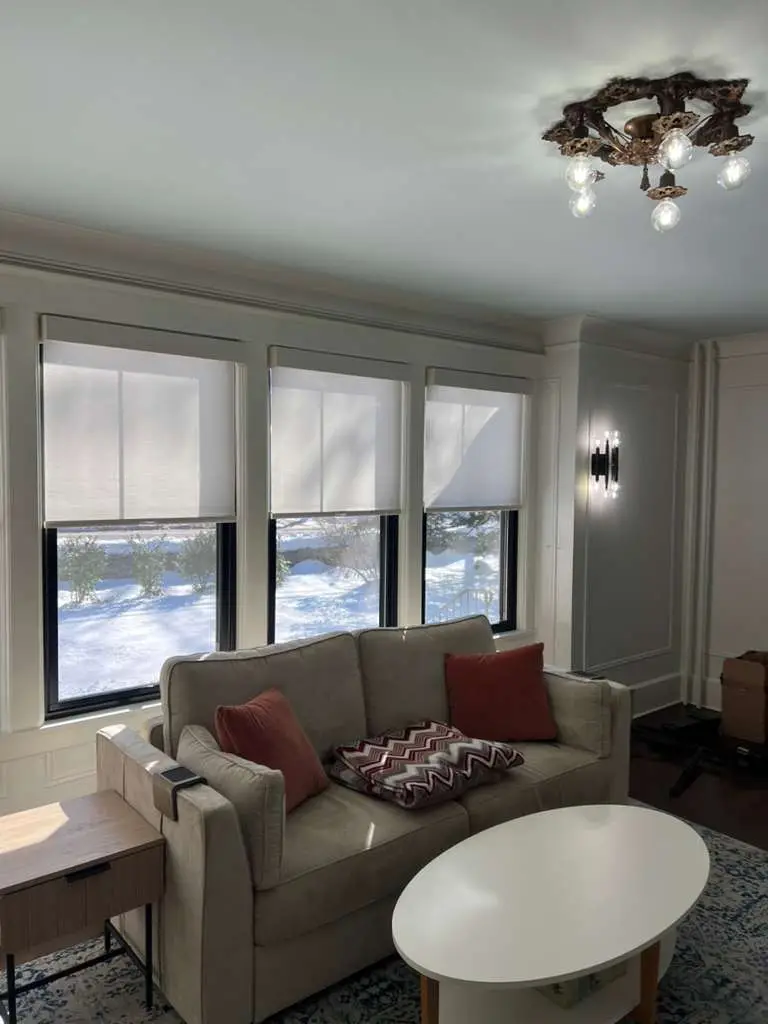
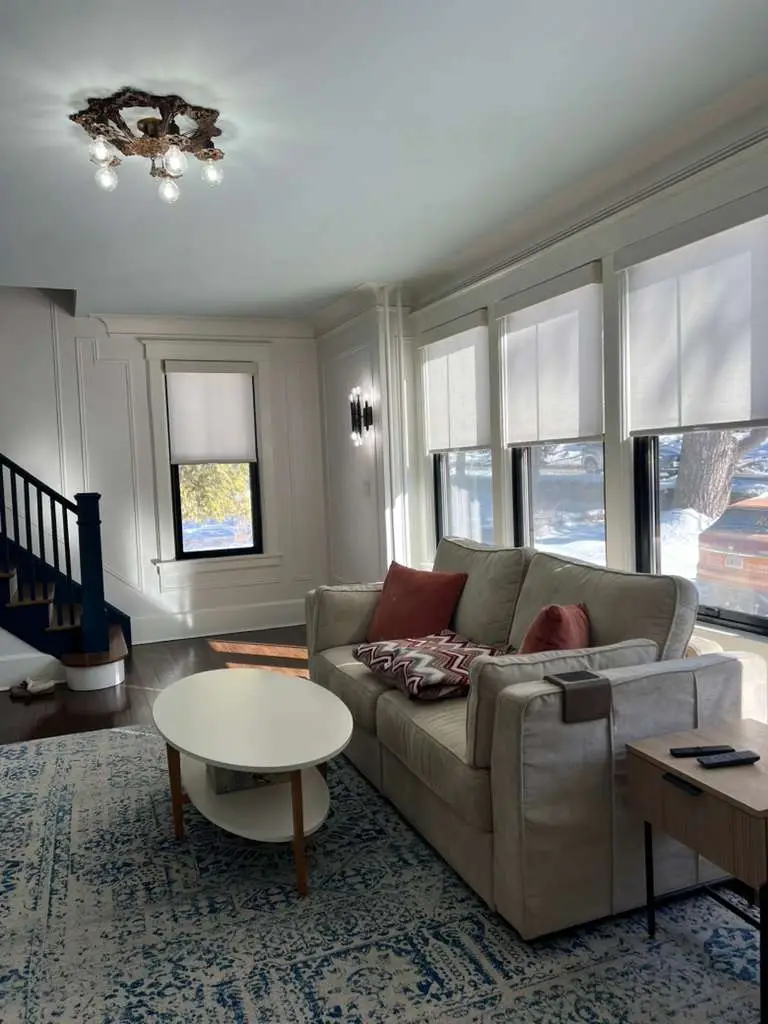
  • Think About Function: If your living room gets intense afternoon sun, look for treatments with UV protection to prevent your furniture and flooring from fading. Solar shades are specifically designed for this purpose.
  • Create Height: Hang curtain rods closer to the ceiling rather than just above the window frame. This design trick creates an illusion of height, making your room feel larger and more grand.
  • Motorization: For large windows or hard-to-reach spots, motorized blinds and shades offer incredible convenience. You can control them with a remote or even a smart home device.

Kitchen: Balancing Light, Durability, and Cleanliness

Kitchens are high-traffic areas prone to heat, humidity, and food splatters. Your window treatments need to be durable, easy to clean, and capable of handling a demanding environment.

Kitchen window shades are a popular and practical solution. Faux wood blinds are an excellent choice because they look like real wood but are much more durable. They won’t warp, crack, or fade when exposed to moisture and heat, and you can easily wipe them clean with a damp cloth.

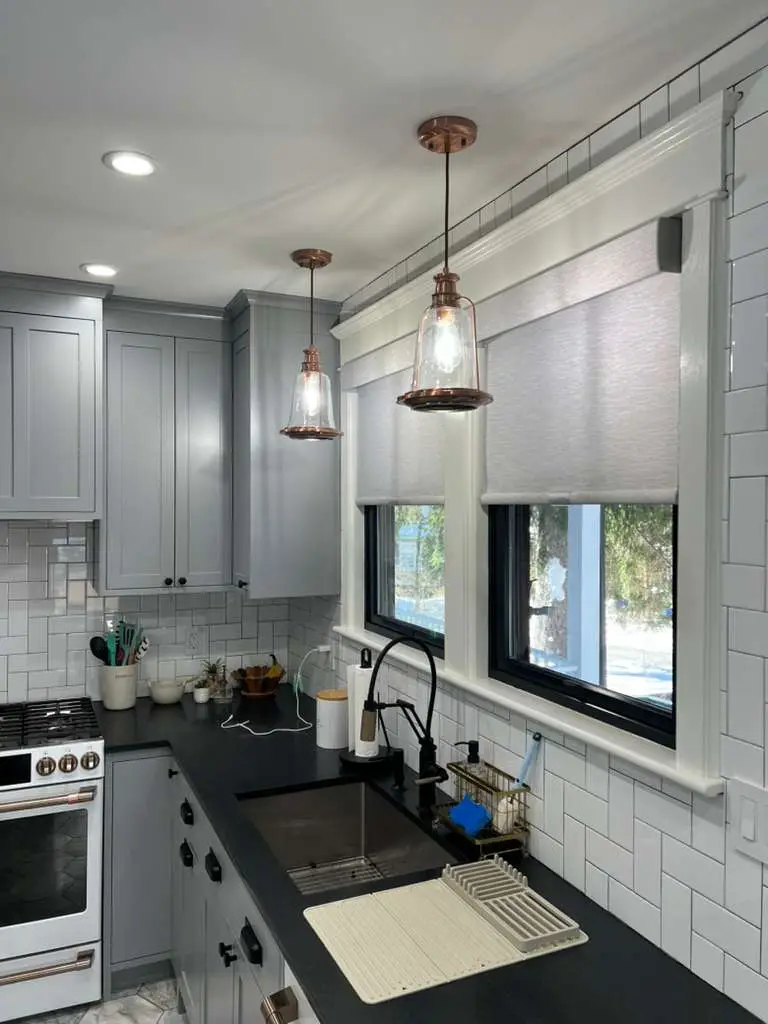
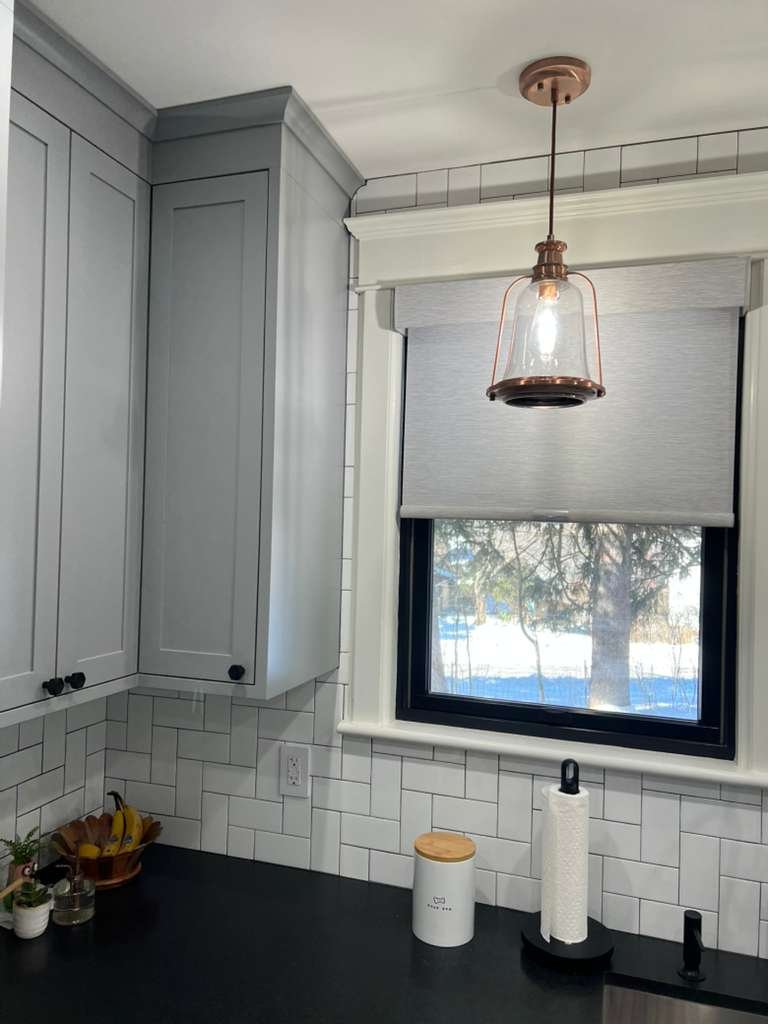
Vinyl or solar roller shades are another great option. They have a sleek, minimal profile and are made from materials that resist moisture and are simple to clean. Solar shades also cut down on glare and heat from the sun, which is a big plus when you’re working at the kitchen counter.

Practical Tips for Kitchens:

  • Avoid Fabric: Steer clear of long fabric curtains or delicate materials that can absorb cooking odors, collect grease, and pose a fire hazard near the stove.
  • Prioritize Light: Kitchens benefit from ample natural light. Opt for treatments that can be easily opened or that filter light effectively, like light-filtering cellular shades or adjustable blinds.
  • Café Curtains: For a charming look that provides privacy for the lower half of the window while leaving the top open for light, consider café curtains.

Bathroom: The Ultimate Test of Moisture Resistance

Privacy and moisture resistance are the two most important factors for bathroom window treatments. The high humidity from showers and baths can destroy the wrong materials, leading to mold, mildew, and warping.

Moisture-resistant materials are a must. Vinyl and faux wood blinds are the undisputed champions here. They are completely waterproof, incredibly durable, and will never be damaged by steam or splashes. They provide excellent, adjustable privacy.

Frosted window film is another smart, low-profile solution. It adheres directly to the glass, obscuring the view for total privacy while still allowing plenty of light to pass through. It’s an affordable and effective option, especially for smaller bathroom windows.

Practical Tips for Bathrooms:

  • Ensure Privacy: Choose treatments that offer complete privacy when closed. Top-down/bottom-up shades are a great choice for letting in light from above while keeping the bottom covered.
  • Forget Wood and Fabric: Avoid real wood blinds and absorbent fabrics like cotton or linen. They will quickly become damaged in a humid bathroom environment.
  • Ventilation is Key: Make sure your window treatments don’t block your window from opening, as good ventilation is crucial for reducing humidity.

Frequently Asked Questions (FAQ)

Q: What is the most popular window treatment?
A: Blinds, particularly faux wood and aluminum blinds, remain one of the most popular choices due to their affordability, durability, and versatile light control. Roman shades and cellular shades are also extremely popular for their stylish appearance and energy-efficient properties.

Q: Are curtains or blinds better for a bedroom?
A: It depends on your priorities. Blackout curtains are superior for achieving near-total darkness. However, blinds combined with curtains can offer more versatile light control. For a sleek, modern look with excellent insulation, blackout cellular shades are an ideal choice.

Q: How do I choose a color for my window treatments?
A: For a safe and timeless look, match your window treatments to your wall color. This creates a cohesive, seamless appearance. For a bolder statement, choose a color that contrasts with your walls but complements other accent colors in the room, such as those in your pillows, rugs, or artwork.

Q: What are the most energy-efficient window treatments?
A: Cellular shades, also known as honeycomb shades, are widely regarded as the most energy-efficient. Their unique cell pockets trap air, creating a layer of insulation that helps keep your home warmer in the winter and cooler in the summer, potentially lowering your energy bills.

Q: How do I clean my window treatments?
A: Cleaning methods vary by material. Faux wood and vinyl blinds can be wiped with a damp cloth. Fabric shades and curtains can often be vacuumed with a brush attachment. Always check the manufacturer’s instructions, as some fabrics may be machine washable while others are dry-clean only.

window treatment

Top Window Treatment Trends for 2026: Styles For Homeowners

Window treatments do more than just provide privacy; they are a fundamental element of interior design that can shape the mood and style of any room. As we look into 2026, the trends are shifting away from stark minimalism and moving toward warmth, texture, and smart functionality. This year is all about creating inviting spaces that are both beautiful and intelligent. From eco-friendly materials to automated shades, updating your windows is one of the most impactful ways to refresh your home.

This guide will explore the most popular window treatments for 2026. We will cover the rise of natural fabrics, the elegance of layered looks, and the convenience of motorized shades. You will learn how to update your windows with the latest curtain styles and modern blinds, with tips tailored to different home aesthetics across the United States.

What Are the Most Popular Window Treatments in 2026?

This year sees a blend of classic elegance and modern innovation. Homeowners are looking for treatments that offer both style and substance. The biggest trends focus on soft textures, sustainable materials, and seamless integration with smart home technology.

The Reign of Roman Shades

If one style defines 2026, it is the Roman shade. These fabric-based shades offer a clean, tailored look that is more visually soft than traditional blinds. When raised, they stack in neat, horizontal folds, creating a subtle, decorative valance. Their popularity stems from their versatility; they work in nearly any room, from kitchens to formal living rooms.

Roman shades are an excellent choice because they require less fabric than full draperies, making high-end materials more accessible. In 2026, you’ll see them in warm neutrals, earthy tones, and even with bold, biophilic prints. Outside-mounted Roman shades are also gaining traction, as they make windows appear larger and block more light around the edges.

Layering for Depth and Dimension

The layered look is a dominant trend, combining different types of window treatments to achieve a dynamic and functional result. This approach adds visual depth and gives you ultimate control over light and privacy.

A popular combination is pairing light-filtering sheer curtains with heavier, room-darkening drapes. This allows soft, diffused light during the day while offering complete privacy at night. Another common layering technique involves mounting soft drapery over woven wood or bamboo shades. This pairing introduces multiple textures, adding warmth and a sense of curated design to the space.

Woven Woods and Natural Textures

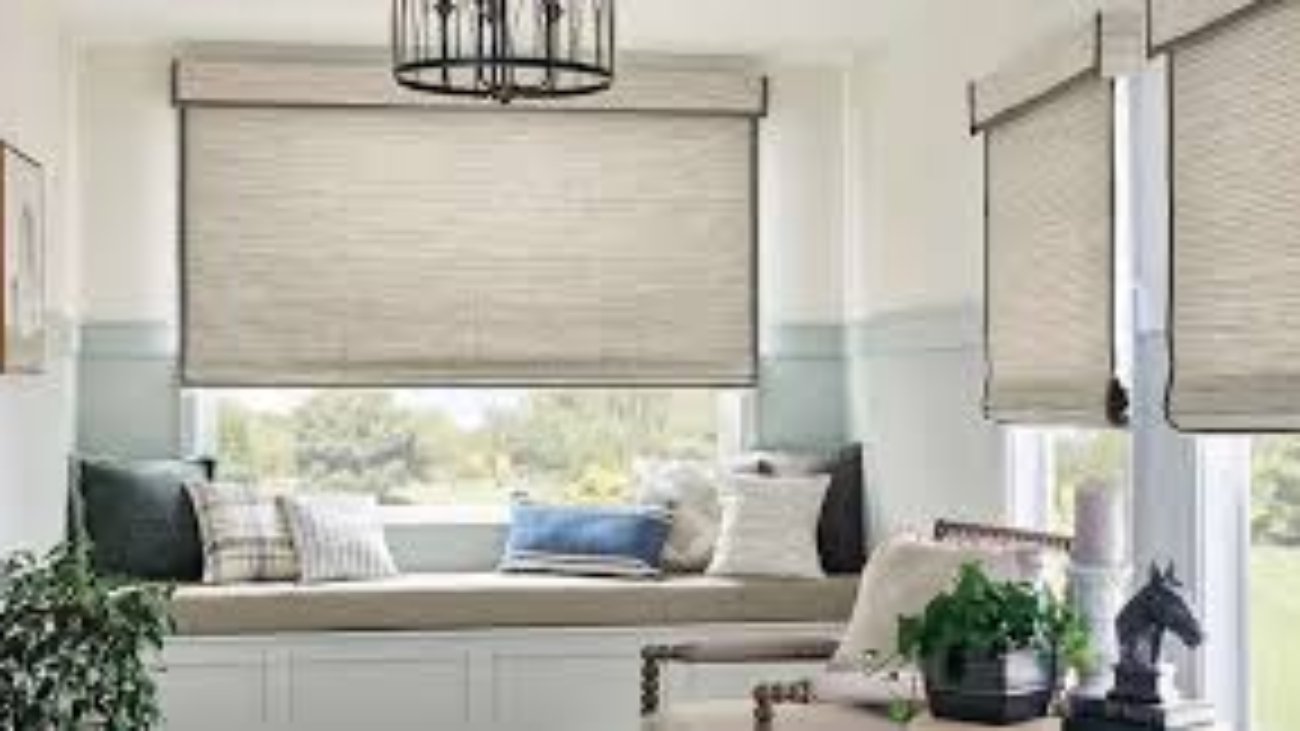
Bringing the outdoors in continues to be a major theme in interior design. Window treatments made from natural materials like bamboo, reeds, grasses, and jute are exceptionally popular. These woven wood shades add organic texture and warmth, filtering sunlight beautifully to cast a gentle, warm glow.

These eco-friendly materials are perfect for creating a relaxed, grounded atmosphere. They complement a wide range of styles, from coastal to modern organic. For instance, in a minimalist urban apartment, a bamboo shade can add a touch of nature and soften hard architectural lines. In a rustic farmhouse, woven jute shades enhance the home’s connection to its natural surroundings.

How Can Homeowners Update Their Windows in 2026?

Updating your windows in 2026 is about embracing warmth, sustainability, and technology. Whether you are undertaking a full renovation or just looking for a simple refresh, these curtain styles and modern blinds will bring your home up to date.

Embrace Sustainable and Eco-Friendly Materials

Sustainability is no longer a niche interest but a core standard in home design. Homeowners are increasingly seeking out eco-friendly materials for their window treatments. Look for curtains and shades made from organic cotton, linen, hemp, and recycled polyesters.

  • Linen Curtains: Prized for their airy feel and beautiful drape, linen curtains are a timeless choice that fits the 2026 aesthetic perfectly. Their natural, slubby texture adds a touch of casual elegance.
  • Organic Cotton: A soft and versatile option, organic cotton is grown without harmful pesticides, making it a healthier choice for your home and the environment.
  • Bamboo & Jute Shades: These fast-growing, renewable resources provide a beautiful, textured look that aligns with the trend toward natural and biophilic design.

Integrate Smart Technology with Motorized Shades

The smart home is now a reality, and window treatments are part of the revolution. Motorized shades and curtains are becoming a mainstream feature, valued for their convenience, energy efficiency, and safety. With the touch of a button, a voice command, or a pre-set schedule, you can control the light and privacy in your entire home.

Motorized shades are an excellent upgrade for hard-to-reach windows, media rooms, and bedrooms. They also offer a sleek, cord-free design, which is safer for homes with children and pets. As technology becomes more refined, smart blinds are quieter and more discreet than ever, integrating seamlessly into any decor style.

Return to Classic Details: Valances and Trims

After years of minimalist dominance, traditional details are making a modern comeback. Soft, upholstered valances and decorative trims are reappearing, but with a contemporary twist. Today’s valances feature simpler, more architectural shapes that frame a window without looking fussy.

Adding a contrasting trim to the edge of a Roman shade or curtain panel is another way to achieve a custom, high-end look. This detail can introduce a pop of color or tie the window treatment into the room’s broader color scheme. Think of a neutral linen curtain with a bold navy or emerald green border for a touch of quiet luxury.

Regional Style Preferences Across the U.S.

Window treatment trends can vary based on regional climates, architectural styles, and local design sensibilities. Here’s how these 2026 trends might look in different parts of the United States.

Urban and Minimalist (Northeast and West Coast Cities)

In dense urban areas like New York City or San Francisco, space and light are at a premium. The style often leans toward modern and minimalist.

  • Roller Shades: Simple, sleek roller shades remain a top choice. In 2026, look for them in high-quality, textured fabrics or with 100% blackout capability for urban bedrooms.
  • Motorized Shades: Given the focus on technology and convenience, motorized shades are almost a standard in new urban constructions and renovations.
  • Layered Sheers: To maximize natural light while maintaining privacy from close neighbors, layering light sheer curtains under minimalist blackout panels is a practical and stylish solution.

Coastal and Breezy (Southeast and California Coast)

Homes in coastal regions like Florida or Southern California are all about creating a light, airy, and relaxed atmosphere.

  • Linen Drapes: Flowing, floor-to-ceiling linen drapes in soft whites, beiges, or pale blues are perfect for capturing the coastal breeze and diffusing bright sunlight.
  • Woven Wood Shades: Bamboo or light-toned woven wood shades add texture and a natural, beachy vibe that is central to coastal design.
  • Café Curtains: Charming café curtains are making a comeback in kitchens and breakfast nooks, offering privacy for the lower half of the window while leaving the top open to light and views.

Rustic and Natural (Mountain West and Rural Midwest)

In regions known for their natural landscapes, like Colorado or parts of the Midwest, the focus is on bringing the beauty of the outdoors inside.

  • Natural Materials: Woven shades made from darker woods, jute, or grasses complement rustic interiors and echo the surrounding environment.
  • Heavyweight Fabrics: For colder climates, insulated drapes in rich, earthy tones like olive green, terracotta, or deep brown add warmth and improve energy efficiency. Wool or heavyweight cotton blends are excellent choices.
  • Layered Textures: Combining a rugged woven shade with soft, textured drapery creates a cozy, comfortable, and inviting space perfect for a mountain cabin or modern farmhouse.

Final Thoughts

The window treatment trends for 2026 offer a refreshing blend of warmth, comfort, and innovation. By focusing on rich textures, sustainable materials, and smart technology, you can transform your windows from a mere necessity into a statement of personal style. Whether you opt for the tailored elegance of Roman shades, the organic feel of woven woods, or the modern convenience of motorized blinds, this year’s trends provide endless opportunities to create a home that is both beautiful and thoughtfully designed for the way you live.